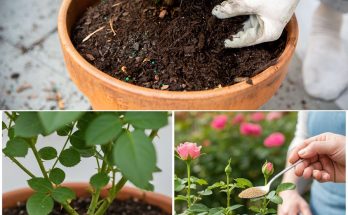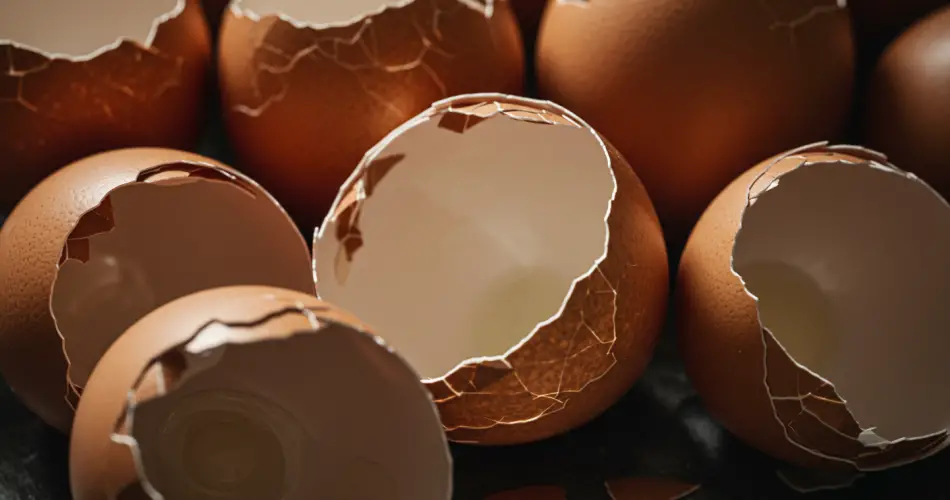
Every day, millions of households crack open eggs for breakfast, baking, or cooking, and then casually toss the shells straight into the bin. It seems harmless—after all, they’re waste, right? But what many people don’t realize is that eggshells are actually an incredible natural resource that can be repurposed, particularly for gardening. Instead of contributing to kitchen waste, eggshells can be turned into a sustainable, chemical-free fertilizer that provides essential nutrients to your plants and helps them thrive.
Why Eggshells Are Valuable for Plants
Eggshells are more than just brittle leftovers. They are composed of around 93% calcium carbonate and also contain small amounts of nitrogen, magnesium, and phosphorus. Calcium is one of the key nutrients required for healthy plant growth. It helps strengthen cell walls, supports robust root systems, and ensures proper nutrient absorption from the soil.
In fact, calcium deficiencies in soil can lead to problems such as blossom end rot in tomatoes, peppers, and eggplants, where fruits develop dark, sunken spots. By adding crushed eggshells to the soil, gardeners can naturally boost calcium levels and prevent these issues without resorting to synthetic fertilizers.
Eggshells also play an important role in balancing soil pH. When incorporated into the earth in moderation, they can help reduce acidity and make conditions more favorable for many plants. However, caution is needed—adding too many shells can shift the soil to be overly alkaline, which may harm acid-loving plants like blueberries or azaleas.
Preparing Eggshells for Use
Before adding eggshells to your garden, it’s important to prepare them properly. Raw shells can harbor bacteria or fungi, so they should be cleaned and dried before use. Here’s a step-by-step method:
-
-
Collect the shells – After cooking or baking, rinse the eggshells thoroughly under running water to remove any egg residue
-
Dry them completely – Place the shells on a tray and let them air dry for at least 24 hours. For faster results, you can bake them at a low temperature (around 90°C/200°F) for 10 minutes. This also makes them more brittle and easier to crush.
-
-
Crush or grind – Once dry, crush the shells into small pieces using a rolling pin, mortar and pestle, or even a food processor. The finer the grind, the faster they will break down and release nutrients into the soil.
How to Use Eggshells in the Garden
There are several ways to incorporate eggshells into your plant care routine. Each method offers unique benefits depending on your gardening needs:
1. Direct Soil Amendment
Sprinkle finely ground eggshells directly into the soil around the base of your plants. This method slowly releases calcium over time, enriching the earth and strengthening root development. It’s particularly beneficial for vegetables like tomatoes, peppers, and squash, which are prone to calcium deficiency.
2. Mulch and Soil Protection
Eggshell fragments can be scattered around plants as a natural mulch. Not only do they provide nutrients, but they also help retain soil moisture, regulate temperature, and prevent weeds from taking root. As an added bonus, the sharp edges of larger shell pieces can deter soft-bodied pests like slugs and snails.
3. Eggshell Tea for Watering
Many gardeners swear by “eggshell tea,” a simple liquid fertilizer made by steeping crushed shells in hot water. To prepare it, boil a handful of shells in a liter of water for about 10 minutes. Let the mixture cool, then strain and use the water to irrigate your plants. The hot water helps dissolve some of the calcium, making it more readily available to the roots.
4. Compost Additive
If you maintain a compost pile, eggshells make an excellent addition. Crush them before tossing them into the heap to speed up decomposition. Over time, they enrich the finished compost with calcium and other trace minerals, giving your plants an extra boost when the compost is applied to soil.
5. Seed Starters
Eggshell halves can even be used as tiny biodegradable pots. Fill the shell with soil, plant a seed inside, and place it in a sunny spot. When the seedling is ready to be transplanted, simply place the entire shell into the ground. The roots will eventually break through the shell, and the calcium will help nourish the growing plant.
Additional Benefits of Eggshell Use
Beyond fertilization, eggshells provide other practical gardening benefits:
-
-
Pest Control: Crushed shells create a natural barrier that slugs and snails avoid crawling over. This simple method helps protect delicate plants without the need for harmful pesticides.
-
Soil Aeration: The structure of eggshells improves soil texture, allowing better airflow and water drainage. This is especially helpful in clay soils that tend to compact.
-
-
Eco-Friendly Waste Reduction: By reusing eggshells, you reduce kitchen waste and contribute to a more sustainable lifestyle. It’s a small habit that benefits both your household and the environment.
A Word of Caution
While eggshells are beneficial, moderation is key. Using too many can significantly alter the soil’s pH, making it too alkaline for certain plants. To avoid this, apply eggshells gradually and observe how your plants respond. If you grow acid-loving species, use eggshells sparingly or avoid them altogether in those specific beds.
It’s also important to remember that while eggshells supply calcium, they don’t provide all the nutrients plants need. For balanced growth, pair them with other organic fertilizers or compost.
Conclusion
The next time you crack open an egg, think twice before throwing away the shell. What might seem like useless kitchen waste is actually a treasure trove of nutrients waiting to be repurposed. From enriching the soil to deterring pests, eggshells offer a variety of benefits for your garden without costing a cent.
By making this simple change, you’ll not only reduce household waste but also give your plants a natural source of strength and vitality. It’s an easy, eco-friendly habit that turns everyday cooking leftovers into one of the most effective gardening tools you’ll ever use.