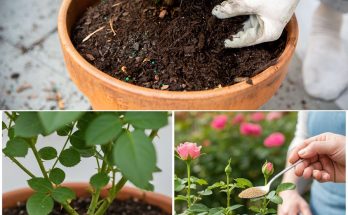
For many gardeners, finding an effective, affordable, and eco-friendly way to nourish plants and protect them from pests is the ultimate goal. While commercial fertilizers and pesticides often offer quick fixes, they can also come with long-term drawbacks such as soil degradation and chemical residue. Fortunately, nature provides us with powerful alternatives—often right in our kitchen scraps.
Two of the most underestimated yet powerful plant boosters are potato skins and onion skins. When used correctly, they can accelerate plant growth, strengthen root systems, and even repel common garden pests. This natural solution is not only chemical-free but also cost-free, making it ideal for home gardeners and anyone looking to reduce waste.
Why Potato and Onion Skins?
Potato and onion peels are more than just food waste. They’re packed with valuable nutrients and compounds that support plant health:
-
Potato Skins:
-
-
Rich in potassium, which supports flower and fruit development.
-
Contain phosphorus, aiding in strong root formation.
-
Release natural starches and sugars that feed beneficial soil microbes.
-
-
-
Onion Skins:
-
-
High in quercetin, a natural antioxidant that boosts plant resistance.
-
-
Contain sulfur compounds that have natural insect-repellent properties.
-
Provide micronutrients like calcium, magnesium, and iron.
-
Together, these humble peels create a liquid fertilizer and pest deterrent that can rival many synthetic options.
How to Make the All-Natural Fertilizer and Pest Repellent
Ingredients:
-
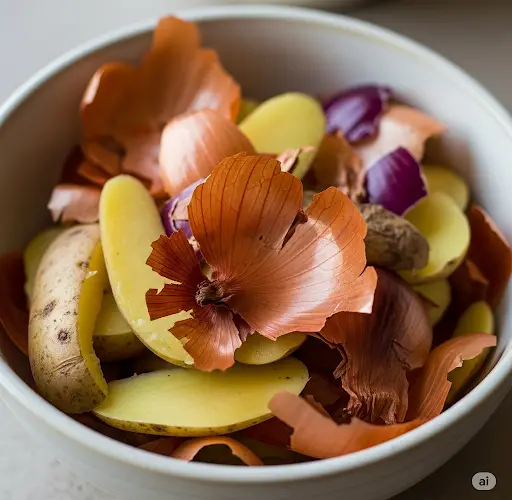
Skins of 3–5 medium potatoes (avoid green or sprouted skins)
-
Outer dry skins of 3–4 onions (red or yellow both work)
-
2 liters of clean (non-chlorinated) water
-
A container with a lid
-
A strainer or fine mesh
Step-by-Step Instructions:
1. Collect and Rinse the Skins
Make sure the potato and onion skins are free from rot or mold. Rinse them under water to remove any dirt or pesticide residue.
2. Soak the Skins
Place all the skins in a large container and cover with 2 liters of water. Let them soak for 3 to 5 days in a shaded area. This allows the nutrients to leach into the water while mild fermentation helps activate beneficial enzymes and microbes.
3. Strain the Liquid
After soaking, strain out the solids using a fine mesh or cheesecloth. You now have a nutrient-rich, all-natural fertilizer.
4. Storage
Store the liquid in a clean, sealed bottle or jug. Keep it in a cool, dark place and use within one week for the best effect.
How to Use This Natural Fertilizer
For Soil Feeding:
Dilute the mixture in a 1:2 ratio (1 part fertilizer to 2 parts water) and pour it around the base of your plants. Apply once a week during the growing season for vegetables, herbs, and flowers.
For Foliar Application (Optional):
Further dilute the solution (1:4 ratio) and spray it onto the leaves. Do this early in the morning or late afternoon to avoid leaf burn from the sun.
Pest Control Benefits
Thanks to the sulfur compounds in onion skins, this solution also acts as a natural insect deterrent. It helps repel:
-
Aphids
-
Spider mites
-
Whiteflies
-
Leaf miners
Regular use can reduce pest infestations without harming pollinators like bees or butterflies. Unlike chemical pesticides, this gentle solution won’t disrupt the ecosystem.
Additional Gardening Tips
-
-
Compost the Leftover Skins: After straining, you can compost the potato and onion skins to further enrich your soil.
-
Use Rainwater: If possible, use rainwater or dechlorinated water for soaking and dilution to preserve microbial activity.
-
Consistency is Key: Apply the solution regularly to maintain healthy growth and keep pests at bay.
-
What to Expect
With continued use, you’ll likely notice:
-
Faster plant growth and stronger stems
-
Healthier, more vibrant leaves
-
Increased flower and fruit production
-
Fewer pest-related issues
-
Richer, more active soil due to microbial stimulation
Whether you’re growing tomatoes, leafy greens, flowering plants, or even potted herbs, this simple homemade formula can be a game-changer for your garden.
Final Thoughts
Potato and onion skins are no longer just kitchen waste—they’re powerful allies in natural gardening. This DIY fertilizer and pest repellent not only speeds up plant growth but also strengthens your plants from the roots to the leaves, all while reducing your dependence on synthetic products.
By turning these everyday scraps into a garden elixir, you’re not just feeding your plants—you’re nourishing the soil, supporting biodiversity, and promoting a healthier, more sustainable way to grow.
Try it out and watch your garden thrive—naturally.