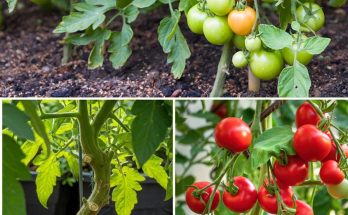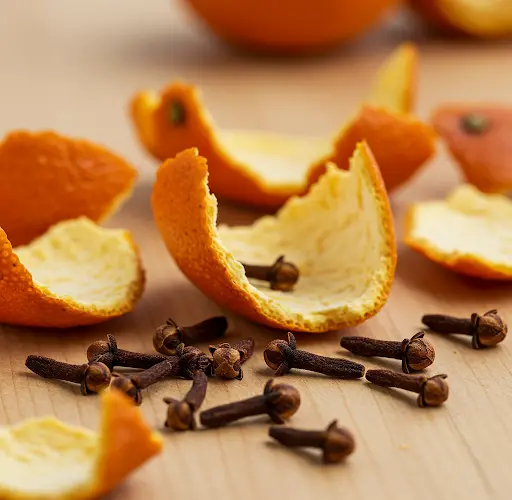
Keeping plants healthy with lush green leaves and strong root systems requires more than just water and sunlight—it also depends on proper fertilization. While chemical fertilizers can offer quick results, they often come with drawbacks, including soil degradation and harm to beneficial organisms. Fortunately, there are natural, organic alternatives that can enrich the soil and boost plant growth safely and sustainably. One such method involves using kitchen scraps—specifically orange peels and cloves—to create a powerful homemade fertilizer.
Why Orange Peels Are Valuable for Plant Growth
Orange peels are much more than food waste. They are packed with essential nutrients and bioactive compounds that can benefit your garden immensely. Among the most important components are:
-
-
Flavonoids: These natural antioxidants help protect plants from oxidative stress and improve their resistance to disease.
-
Potassium: Crucial for healthy flowering and fruit development.
-
Calcium: Strengthens plant cell walls, contributing to robust growth.
-
-
Magnesium: Vital for photosynthesis, as it is a central component of the chlorophyll molecule.
When dried and crushed, orange peels can act as an excellent slow-release organic fertilizer that not only enriches the soil but also helps deter pests with their citrusy aroma
Cloves: A Secret Weapon in the Garden
Cloves are commonly known as a flavorful spice, but they also offer a variety of benefits for plant health. Rich in essential minerals like calcium, phosphorus, and magnesium, cloves support strong root development and healthy foliage. They also have antifungal and antibacterial properties, making them useful in protecting plants from soil-borne diseases and pathogens.
How to Make the Fertilizer
This homemade organic fertilizer is easy to prepare and can be used for a wide range of plants, including peppers, tomatoes, herbs, and leafy greens like lettuce and spinach. Here’s how to make it:
Ingredients:
-
1 orange peel
-
10 whole cloves
-
½ liter of water (for blending)
-
Additional 1 liter of water (for dilution)
Instructions:
-
-
Prepare the Orange Peel: Wash the orange thoroughly and remove the peel. You can use either fresh or dried peel for this recipe
-
Blend: Add the orange peel and cloves to a blender. Pour in half a liter of water and blend the mixture until it becomes a smooth liquid.
-
-
Dilute: Transfer the mixture to a container and add 1 more liter of water to dilute the solution.
-
Application: Use the liquid to water your plants, focusing on the soil near the root zone. Apply this fertilizer every 20 days for optimal results
Alternatively, the orange peel can be cut into small pieces and mixed directly into the soil around your plants. Over time, the peel decomposes and slowly releases nutrients.
How It Works
-
-
Strengthens Roots: The calcium and phosphorus from both the orange peel and cloves help establish a strong and healthy root system.
-
Boosts Immunity: Antioxidants in orange peel and cloves protect the plant from environmental stress and disease.
-
-
Improves Soil Health: The organic matter enhances soil texture and increases the population of beneficial microbes.
-
Natural Pest Repellent: The scent of citrus and cloves can help deter common pests like aphids and ants.
Best Plants for This Fertilizer
This fertilizer works well with a variety of garden plants, especially those that are heavy feeders. Ideal candidates include:
-
Peppers
-
Tomatoes
-
Cucumbers
-
Lettuce
-
Spinach
-
Chard
-
Onions (both red and white)
These plants benefit from the nutrient-dense mixture and the added protection against pests and diseases.
Additional Tips for Balanced Nutrition
While this orange peel and clove fertilizer is effective, it’s important to recognize that plants need a balanced diet of macronutrients (nitrogen, phosphorus, potassium) and micronutrients (such as iron, calcium, and magnesium). To ensure full nutritional support, consider combining this fertilizer with other organic sources such as:
-
Banana peel fertilizer: High in potassium and phosphorus.
-
Coffee grounds: Rich in nitrogen.
-
Compost tea: Provides a full spectrum of nutrients and beneficial microbes.
By rotating and combining these organic options, you can create a well-rounded fertilization plan tailored to your garden’s specific needs.
Conclusion
Using orange peels and cloves as a natural fertilizer is a smart, sustainable, and budget-friendly way to support healthy plant growth. Not only does it reduce food waste, but it also nourishes the soil and promotes stronger, more resilient plants. Whether you’re growing vegetables, herbs, or flowers, incorporating this simple technique into your gardening routine can lead to a more vibrant and productive garden.