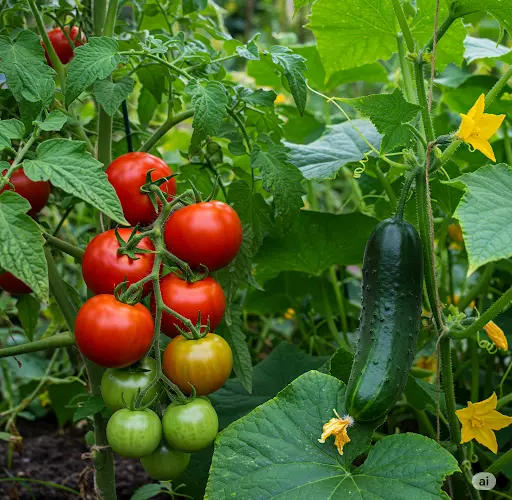
Transplanting seedlings is a crucial step in growing healthy tomato and cucumber plants. It might seem simple—just move the seedling from its pot to the garden—but skipping a few key steps can lead to stunted growth, weak roots, or even plant death. Whether you’re transplanting into open ground, raised beds, or containers, proper preparation can make all the difference between a struggling plant and a thriving one.
Here’s what every gardener should do before transplanting tomato and cucumber seedlings to ensure strong growth and a bountiful harvest.
1. Harden Off Your Seedlings
One of the most common mistakes is transplanting seedlings that have only ever lived indoors or in a protected environment. This sudden transition can shock them, causing growth to stall or leaves to burn.
Hardening off is the process of gradually introducing your seedlings to outdoor conditions over 7–10 days:
-
-
Start by placing them outside in the shade for a few hours a day.
-
-
Gradually increase their exposure to sunlight and wind each day.
-
Bring them back indoors at night during the early days, especially if temperatures drop below 12°C (54°F).
This acclimation helps the plants build resilience and reduces transplant stress.
2. Prepare a Nutrient-Rich Hole
Tomatoes and cucumbers are both heavy feeders. Simply digging a hole and planting won’t provide enough fuel for their rapid growth and fruiting needs. Instead, enrich the hole with organic matter and natural fertilizers before planting.
Here’s a simple planting mix to add directly into the hole:
-
-
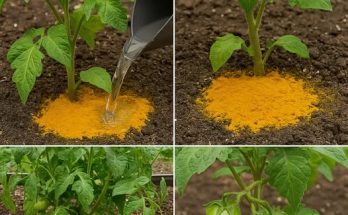
1–2 tablespoons of wood ash – rich in potassium for flowering and fruiting.
-
-
-
1 handful of compost or aged manure – provides nitrogen and other nutrients.
-
A crushed eggshell or a spoonful of bone meal – adds calcium, important for preventing blossom-end rot in tomatoes.
-
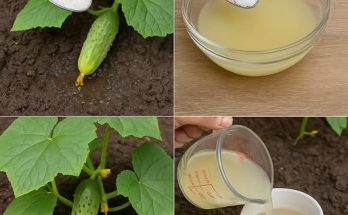
1 teaspoon of baking soda (for tomatoes) – helps reduce soil acidity and disease risk.
-
Mix these ingredients lightly into the soil at the base of the hole, then cover with a thin layer of plain soil before placing the seedling. This prevents direct contact with strong materials that may burn tender roots.
3. Water the Hole First
Before setting the seedling into the hole, water the planting hole thoroughly. This ensures the surrounding soil is evenly moist and encourages the young roots to spread out rather than retreat.
Do not water immediately after planting, as this may compact the soil around the stem and lead to fungal issues. Instead, water deeply before planting, and then again about 30 minutes after transplanting.
4. Plant at the Right Depth
For tomatoes, plant deeper than the original seedling pot—up to the first true leaves. Tomato stems will grow roots along buried portions, strengthening the root system.
For cucumbers, plant at the same depth as in the pot. Cucumber stems are more sensitive to rot if buried too deeply, so it’s important not to sink them too far into the soil.
After planting, gently firm the soil around the base to eliminate air pockets.
5. Mulch Immediately After Transplanting
Mulching is a vital but often overlooked step. It helps:
-
Maintain soil moisture
-
Reduce temperature fluctuations
-
Prevent weeds
-
Protect young roots from sun and wind
Use natural mulches like straw, dried grass clippings, or shredded leaves. Apply a 2–3 cm (1 inch) layer around the base of the plant, but keep it a few centimeters away from the stem to prevent rot.
6. Shade Seedlings for the First Few Days
Even hardened-off plants may struggle in full sun during their first days in open ground. Provide light shading using garden fabric, an overturned crate, or even leafy branches to shield the seedlings during peak sun hours.
After 3–5 days, once they’ve settled and show new growth, remove the shade and let them bask in full sunlight.
7. Watch for Early Signs of Stress or Pests
After transplanting, monitor your seedlings daily:
-
-
Wilting or yellowing leaves may indicate transplant shock or overwatering.
-
-
Chewed leaves or stems signal pest presence—especially slugs or cutworms.
-
Lack of new growth may point to nutrient deficiency or root problems.
Address any issues early to prevent larger problems later on.
Final Thoughts
Transplanting tomato and cucumber seedlings isn’t just about digging and dropping them into soil. When done right—with careful hardening off, soil enrichment, proper planting depth, and early protection—your seedlings will develop into strong, productive plants. By following these steps, you give your crops the best chance to grow fast, flower abundantly, and deliver a generous harvest.
Take the time to prepare your plants and soil now, and your garden will reward you with healthy vines and baskets full of juicy tomatoes and crisp cucumbers all season long.