Garlic is a kitchen staple and a favorite crop among gardeners, not only for its rich flavor and health benefits but also for how rewarding it is to grow. While many people are satisfied with average-sized bulbs, few realize that—with the right care at the right time—it’s entirely possible to grow garlic as large as an apple.
The secret? Timely and proper feeding in mid to late spring, when the plant is actively forming its bulbs. At this stage, garlic requires a specific set of nutrients to expand rapidly and develop strong, healthy cloves. With just a little effort and natural fertilizer, you can significantly increase your garlic yield—and size.
Here’s exactly what to do now to grow the biggest garlic bulbs you’ve ever harvested.
Understanding Garlic’s Growth Stages
Garlic planted in the fall spends the winter establishing roots underground. As temperatures rise in spring, the plant begins its above-ground growth, producing strong green shoots. By late spring and early summer, the plant transitions into the bulbing phase—when all its energy goes toward forming the underground garlic bulb.
This is the most critical period. If the plant lacks nutrients or water now, bulb development will be stunted, and the garlic harvested will be small and underwhelming. But if the plant receives the right nutrients at the right time, you’ll be amazed at the results.
The Ideal Feeding for Giant Garlic Bulbs
The best garlic fertilizer for this stage is one that supplies nitrogen for leafy growth, potassium for cell expansion, and phosphorus for strong root and bulb development. You can provide all of this using a natural, homemade mix.
Here’s a highly effective garlic fertilizer recipe:
Ingredients:
-
1 liter of warm water
-
1 tablespoon of wood ash
-
1 tablespoon of baking soda
-
10 drops of iodine (optional but highly beneficial)
-
1 tablespoon of hydrogen peroxide (3%)
Instructions:
-
-
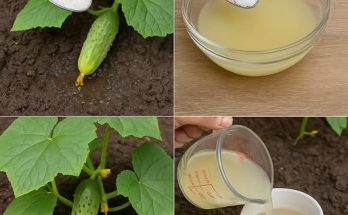
In a large container, combine all ingredients.
-
Stir thoroughly until everything is fully dissolved.
-
Let the mixture sit for 30 minutes.
-
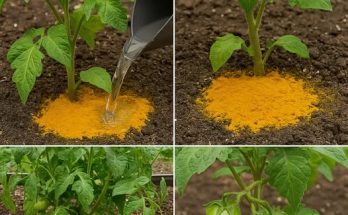
Apply directly to the soil around the garlic plant base.
-
This solution improves soil structure, stimulates bulb growth, and protects against fungal infections and pests.
Why These Ingredients Work
Each component in this fertilizer has a targeted effect on garlic development:
-
-
Wood ash provides potassium, essential for large bulb formation and overall plant health.
-
Baking soda helps balance the pH of the soil and has mild antifungal properties to keep root diseases at bay.
-
-
Iodine boosts disease resistance and stimulates metabolic processes in the plant, promoting rapid growth.
-
Hydrogen peroxide oxygenates the soil and enhances root respiration, supporting stronger and faster development
This natural cocktail acts as both a nutrient boost and a soil cleanser, giving garlic the ideal environment to thrive.
Application Tips
-
-
Water your garlic plants with the solution in the morning or late afternoon.
-
Use about 200–300 ml per plant, depending on size.
-
Repeat the feeding once every 10 to 14 days during May and early June.
-
Stop fertilizing by mid-June to allow the bulbs to mature and dry out naturally before harvest.
-
Avoid over-fertilization, as this can cause the plant to focus too much on green growth rather than the bulb.
Other Essential Garlic Growing Tips
To further maximize garlic bulb size, combine the above feeding with these key growing practices:
-
-
Mulch your beds. A layer of straw or dried grass helps retain soil moisture, suppress weeds, and regulate soil temperature.
-
Remove garlic scapes. If you’re growing hardneck varieties, cut off the flower stalks (scapes) as they appear. This redirects energy from flowering to bulb development.
-
-
-
Ensure regular watering. Garlic needs consistent moisture, especially during bulb formation. However, avoid waterlogging, which can cause rot.
-
Ensure loose, well-aerated soil. Compacted soil restricts bulb expansion. Lightly loosen the soil around the base of the plants with a fork.
-
Choose the right time to harvest. Don’t rush it. Harvest when the lower leaves turn yellow but the upper leaves are still green—this usually happens in mid to late summer, depending on your region.
-
Final ThoughtsGrowing garlic the size of apples might sound like a gardener’s dream, but it’s completely possible with the right attention during spring. Timely feeding with a potassium- and phosphorus-rich solution, combined with good watering and soil management, can produce dramatically larger and healthier garlic bulbs.
Try this natural feeding method now while your garlic is still in its growth phase. A few simple steps today can lead to an impressive and flavorful harvest in just a few weeks.