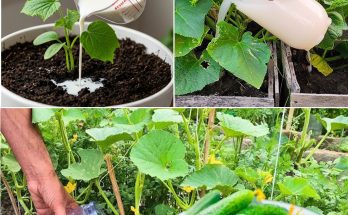
Growing tomatoes in containers is an ideal solution for urban gardeners or anyone with limited space. Whether you have a balcony, rooftop, patio, or small backyard, container gardening allows you to cultivate fresh, flavorful tomatoes without the need for a traditional garden plot. With the right containers, soil, sunlight, and care, it is possible to achieve a bountiful harvest of juicy, homegrown tomatoes, even in small spaces.
Why Grow Tomatoes in Containers?
Container gardening offers numerous advantages for tomato cultivation. It allows you to control soil quality, drainage, and nutrient levels, which is essential for producing healthy, high-yielding plants. Containers also help prevent soil-borne diseases, reduce weed competition, and protect plants from pests. For urban gardeners, container-grown tomatoes provide flexibility, allowing you to move pots to catch optimal sunlight or shield plants from harsh weather conditions.
Choosing the Right Containers
Selecting an appropriate container is crucial for healthy tomato growth. Tomatoes have extensive root systems and require sufficient space to thrive. Choose containers that are at least 12–18 inches deep and 14–20 inches wide. Larger varieties, such as beefsteak tomatoes, may need even deeper and wider pots to accommodate their roots and support vigorous growth. Materials like plastic, resin, or ceramic are suitable, but ensure the container has adequate drainage holes to prevent waterlogging, which can lead to root rot and poor fruit quality
Preparing the Soil Mix
Healthy, well-draining soil is key to productive tomato plants. Tomatoes require nutrient-rich soil to support flowering, fruiting, and strong root systems. A recommended container soil mix includes:
-
-
50% garden soil or loamy topsoil: Provides structure and essential minerals.
-
-
30% compost or well-rotted organic matter: Improves fertility, moisture retention, and microbial activity.
-
20% perlite, coarse sand, or vermiculite: Enhances drainage and prevents soil compaction.
Mix the components thoroughly and moisten the soil before planting. Avoid heavy clay soils, which can impede root development and increase the risk of waterlogging. Well-prepared soil ensures healthy growth and maximizes fruit production.
Planting Tomatoes
Tomatoes can be grown from seedlings or transplants. When planting, bury the stem up to the first set of true leaves, as this encourages additional root growth along the buried stem, strengthening the plant. Space multiple plants at least 18–24 inches apart in the container to provide adequate airflow and reduce the risk of disease. Proper planting depth and spacing are essential for robust growth and abundant fruiting.
Sunlight and Growing Conditions
Tomatoes require full sun for at least six to eight hours per day. Containers can be strategically placed to capture the most sunlight, ensuring vigorous growth and higher yields. In very hot climates, partial afternoon shade can prevent heat stress and sunscald on the fruit. Tomatoes also benefit from stable temperatures and protection from strong winds, both of which can be managed effectively with container gardening.
Watering and Mulching
Consistent moisture is critical for container-grown tomatoes. Containers dry out faster than garden soil, so regular, deep watering is necessary. Keep the soil evenly moist but avoid waterlogging, which can lead to root rot or blossom end rot. Mulching with straw, shredded leaves, or organic materials helps retain moisture, regulate soil temperature, and reduce weed growth. Proper watering and mulching contribute to strong root development and improved fruit quality.
Fertilization and Nutrient Management
Tomatoes are heavy feeders and require a balanced supply of nutrients. Incorporate slow-release organic fertilizer or compost into the soil at planting. During the growing season, supplement with liquid fertilizer or compost tea every two to three weeks to maintain nutrient levels. Focus on phosphorus and potassium for flowering and fruiting, while avoiding excessive nitrogen, which can lead to lush foliage but fewer fruits. Adequate nutrition ensures healthy plants and abundant harvests.
Supporting Tomato Plants
Container-grown tomatoes often need additional support to keep stems upright and prevent fruit from touching the soil. Use stakes, cages, or trellises to support the plant as it grows. Proper support also improves air circulation, reduces disease risk, and makes harvesting easier. Regular pruning of lower leaves and suckers encourages stronger stems and better fruit production.
Pest and Disease Management
Container-grown tomatoes are generally less susceptible to pests and diseases than in-ground plants but still require monitoring. Common issues include aphids, whiteflies, and fungal infections such as powdery mildew or blight. Inspect plants regularly, remove affected leaves, and use organic pest control methods if needed. Adequate spacing, good drainage, and proper care reduce most problems.
Harvesting Tomatoes
Tomatoes are ready to harvest when they are fully colored and slightly firm to the touch. Picking regularly encourages continued flowering and fruit production. Harvesting in the morning or cooler parts of the day helps preserve flavor and texture. Container gardening allows for easy access, making it simple to enjoy fresh, homegrown tomatoes at their peak.
Conclusion
Growing tomatoes in containers is a practical and rewarding way to enjoy fresh, homegrown produce in urban or small-space settings. By selecting suitable containers, preparing nutrient-rich soil, providing sufficient sunlight and water, and managing nutrients, support, and pests carefully, gardeners can cultivate healthy, productive tomato plants from planting to harvest. Container gardening offers flexibility, control, and high yields, making it possible for anyone to enjoy the taste and satisfaction of homegrown tomatoes, even in limited spaces.