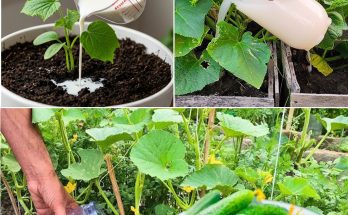
When it comes to feeding plants, many gardeners rely heavily on commercial fertilizers. However, there’s a powerful, natural, and completely organic alternative that often goes overlooked—wood ash. This simple byproduct of burning wood is packed with nutrients essential for plant growth and soil health. The surprising truth is that manufacturers of chemical fertilizers don’t want you to know how effective and inexpensive this homemade fertilizer can be.
In this article, you’ll discover why wood ash is a valuable resource for your garden, how to use it properly, and the amazing benefits it brings to your plants and soil.
What Is Wood Ash and Why Is It Useful?
Wood ash is the powdery residue left after wood is burned. Unlike charcoal or unburned wood, ash contains a variety of minerals, including:
-
Potassium (K): Essential for fruit and flower production, and overall plant vigor.
-
Calcium (Ca): Helps build strong cell walls and improves soil structure.
-
Magnesium (Mg): Important for photosynthesis and chlorophyll production.
-
Phosphorus (P): Vital for root development and energy transfer within the plant
-
Trace elements such as iron, manganese, zinc, and copper.
Because of this nutrient content, wood ash can serve as an excellent natural fertilizer and soil amendment.
Why the Fertilizer Industry Keeps This Secret
Large fertilizer manufacturers focus on selling chemical fertilizers made with synthetic compounds, often at high prices. They rely on customers continuously purchasing their products. Wood ash, on the other hand, is free if you have access to wood-burning stoves or fireplaces, and it can reduce the need for chemical fertilizers.
By using wood ash, gardeners can save money and promote healthier, more sustainable growing practices, which reduces dependency on commercial fertilizers. This is why the “secret” of wood ash remains less promoted in mainstream gardening circles.
Benefits of Using Wood Ash in Your Garden
-
-
Improves Soil pH: Wood ash is alkaline and can help raise the pH of acidic soils, making nutrients more available to plants.
-
Provides Essential Nutrients: It’s a rich source of potassium and calcium, key elements for flowering, fruiting, and strong root systems.
-
-
-
Enhances Soil Structure: Calcium in ash improves soil texture, reducing compaction and promoting better water drainage.
-
Repels Certain Pests: Ash sprinkled around plants can deter slugs, snails, and some insects
-
Encourages Microbial Activity: Proper use of ash promotes beneficial microbes that improve soil fertility.
-
How to Use Wood Ash in Your Garden
To get the best results without harming your plants or soil, follow these tips:
-
-
Collect Ash from Untreated Wood: Use ash from natural wood only. Avoid ash from painted, stained, or treated wood, as it may contain harmful chemicals.
-
-
-
Use in Moderation: Apply ash sparingly because its alkaline nature can raise soil pH too much if overused.
-
Test Your Soil pH: Before adding ash, test soil pH to know if it needs adjusting. Ash is best applied to acidic soils (pH below 6.5).
-
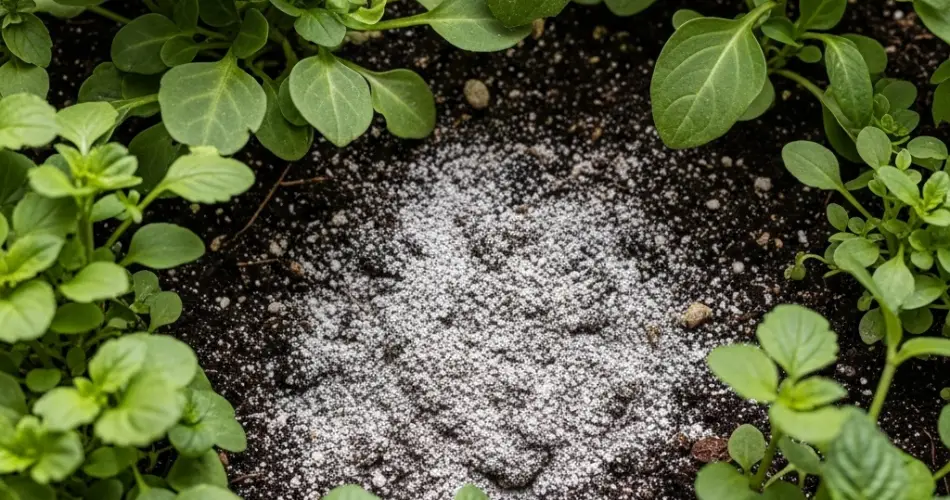
Spread Thinly: Sprinkle ash around plants or mix it lightly into the soil. Avoid direct contact with plant stems or roots.
-
-
Combine with Compost: Mixing ash with compost balances nutrients and improves soil health.
-
Apply in Early Spring or Late Fall: These seasons allow ash to integrate well into the soil before the growing season.
Which Plants Benefit Most from Wood Ash?
-
-
Vegetables: Tomatoes, potatoes, carrots, and leafy greens respond well to ash because of their potassium needs.
-
-
-
Fruit Trees: Apples, pears, and citrus trees benefit from the calcium and potassium in ash.
-
Flowering Plants: Roses, dahlias, and other flowers show improved bloom quality.
-
Herbs: Ash supports herbs like basil and oregano with better growth and aroma.
-
Precautions When Using Wood Ash
-
-
Avoid using ash on acid-loving plants such as blueberries, azaleas, and rhododendrons, which prefer acidic soil.
-
Do not apply ash to freshly planted seedlings directly.
-
-
Store ash in a dry place, as it absorbs moisture and hardens over time.
-
Avoid over-application; more is not better when it comes to ash.
Making the Most of This Organic Fertilizer
Wood ash is a wonderful way to recycle waste, improve your garden’s health, and reduce costs on fertilizers. It’s an all-natural solution that has been used for centuries by farmers and gardeners worldwide.
By incorporating wood ash into your gardening routine, you support sustainable practices and create a thriving environment for your plants—without reliance on chemical fertilizers.
Conclusion
The secret to healthier, more productive plants could be right in your fireplace or stove. Wood ash is a treasure trove of essential nutrients that can enrich your soil naturally, improve plant growth, and deter pests. Best of all, it’s free and organic.
Don’t let commercial fertilizer companies dictate your gardening choices. Try using wood ash in your urban garden or home plot and experience the benefits firsthand. This simple, homemade fertilizer might just transform the way you grow plants forever.