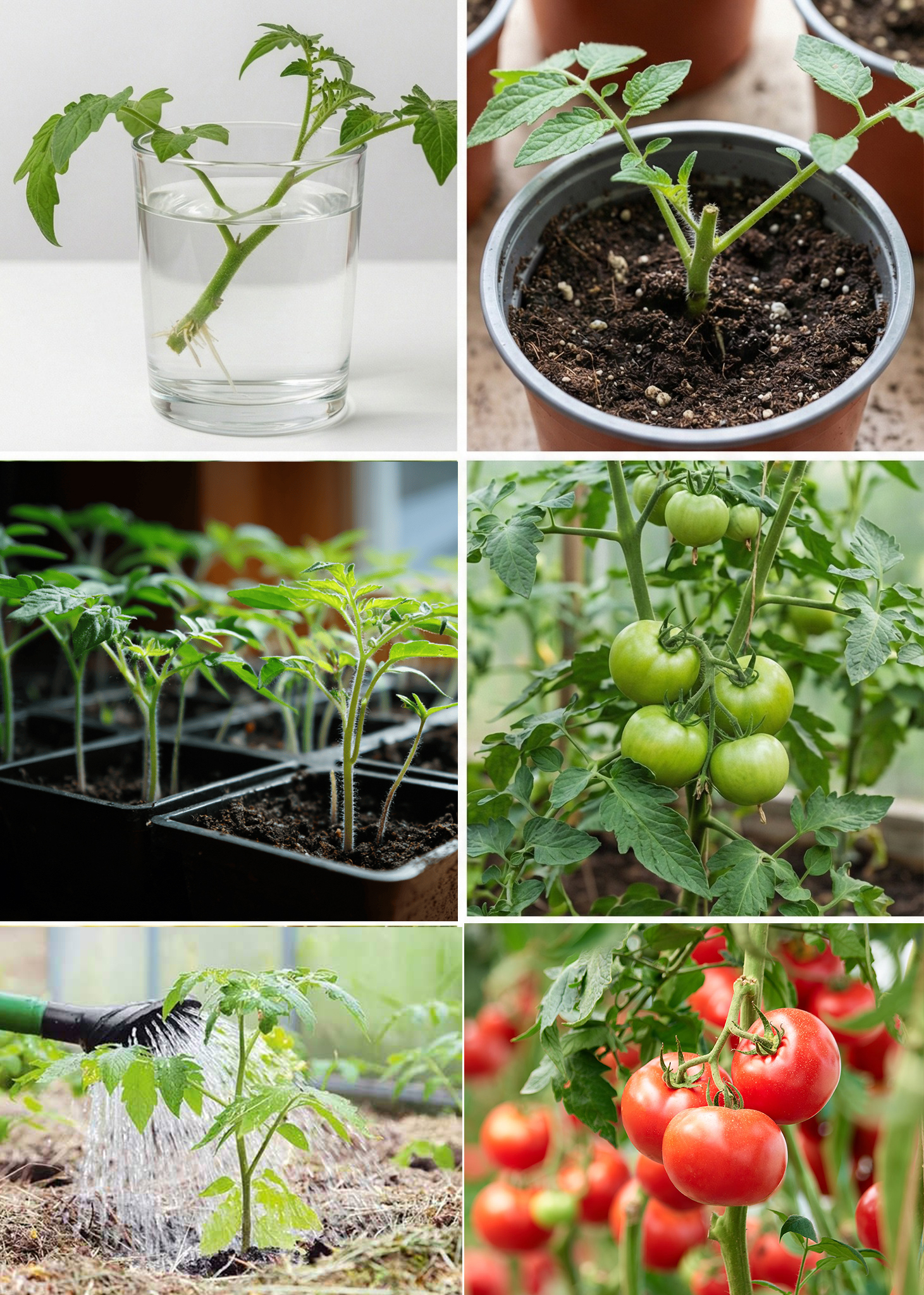
Tomato seedlings are one of the most popular and rewarding crops to grow, whether you’re gardening in a backyard, on a balcony, or in a greenhouse. However, getting those young plants to grow strong, green, and healthy can be a challenge — especially during the vulnerable early stages after transplanting.
If your seedlings look pale, thin, or leggy, there’s a simple, proven solution that can dramatically boost their health and appearance. The answer? A teaspoon of an inexpensive, natural nutrient that helps tomatoes grow thicker stems, deeper green leaves, and develop a more robust root system.
Let’s explore what this one-teaspoon solution is, how to use it, and why it works so well.
Why Tomato Seedlings Struggle
Tomato seedlings are delicate and sensitive to their environment. After transplanting, they can experience stress due to changes in light, temperature, and water availability. Common problems during this stage include:
-
Slow growth
-
Yellowing or pale leaves
-
Weak, thin stems
-
Curling leaves or root shock
These symptoms are usually signs of nutrient deficiency, lack of light, or stress. To help seedlings recover quickly and thrive, providing the right nutrients in the right form makes a huge difference.
The One Teaspoon Solution: Wood Ash or Ash Solution
The “one teaspoon” method refers to using wood ash — a simple, natural fertilizer that provides a range of essential nutrients. Ash from clean, untreated wood contains:
-
-
Potassium – for strong root development and fruiting
-
Phosphorus – essential for photosynthesis and root health
-
Calcium – prevents blossom-end rot and strengthens cell walls
-
-
Magnesium and trace minerals – support overall plant vigor
This blend of nutrients is perfect for young tomato plants that need a gentle but effective feeding boost.
How to Use the Ash Fertilizer
There are two ways to use wood ash for tomato seedlings: as a dry top dressing or as a liquid infusion.
Method 1: Dry Application
-
-
After transplanting your seedlings into containers or garden beds, wait a few days for them to adjust.
-
Take one teaspoon of fine wood ash and sprinkle it around the base of each seedling (not directly on the stem).
-
Gently water the soil to help nutrients penetrate and activate in the root zone.
-
Avoid overdoing it. Ash is alkaline, so using too much can disturb soil pH.
Method 2: Ash Tea (Liquid Feed)
-
-
Dissolve 2 tablespoons of sifted wood ash in 1 liter of hot water.
-
-
-
Let the mixture sit and infuse for 24 hours.
-
Strain the liquid and pour a small amount (about 1 tablespoon per seedling) around the base of each plant.
-
This method gives seedlings a quick boost of available nutrients, especially potassium, which supports thick stems and vibrant green leaves.
When to Apply
Apply the treatment about 5–7 days after transplanting, when the seedlings have begun adjusting to their new environment. If needed, you can repeat the feeding every 10–14 days, but only in small doses.
It’s especially helpful if your tomato seedlings are showing signs of stress, like pale or curled leaves, or aren’t growing as quickly as expected.
Other Natural Alternatives
If you don’t have wood ash, here are a few other one-teaspoon solutions that can work similarly:
-
-
Baking Soda and Epsom Salt Mix: Mix 1 teaspoon of Epsom salt (magnesium sulfate) with 1 liter of water and feed it to seedlings to enhance chlorophyll production and green up the leaves.
-
-
Banana Peel Infusion: Blend dried banana peels with water and use a teaspoon per seedling for a natural potassium boost.
-
Aloe Vera Water: Mix aloe vera gel in water and apply 1–2 teaspoons per plant for anti-stress support and improved nutrient absorption.
Each of these options supports healthy seedling growth and can be safely used in rotation.
Tips for Best Results
-
-
Use only clean, untreated wood ash — never use ash from painted, pressure-treated, or chemically treated wood.
-
Avoid overfeeding — tomato seedlings don’t need much in the early stages.
-
-
Ensure good light exposure — even with the best feeding, insufficient light will cause leggy, weak plants.
-
Water properly — the soil should be moist but not soggy, and never let it dry out completely.
Conclusion
One teaspoon of wood ash — that’s all it takes to turn your tomato seedlings from weak and pale to strong, green, and thriving. It’s an easy, cost-free, and natural way to give your young plants the nutrients they need to take off after transplanting.
Try this method the next time you’re raising tomatoes, and you’ll see a noticeable difference in stem thickness, leaf color, and overall vigor. A small dose goes a long way — and your tomatoes will thank you with a strong start and a bountiful harvest.
