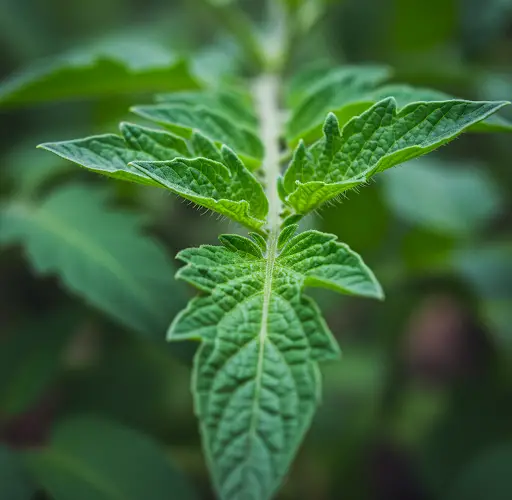
When to Remove Leaves from Tomatoes for Healthier Plants and a Better Harvest
Tomatoes are one of the most commonly grown vegetables in home gardens due to their delicious taste and versatility in cooking. To ensure healthy growth and an abundant harvest, proper plant maintenance is essential. One crucial practice in tomato care is leaf removal. Knowing when and how to remove tomato leaves can significantly improve plant health, enhance fruit production, and prevent diseases. In this guide, we will discuss the importance of leaf pruning, the best times to do it, and the correct method to ensure a thriving tomato plant.
Why Should You Remove Leaves from Tomatoes?
Removing leaves from tomato plants serves several important purposes, including:
-
- Improving Air Circulation – Overcrowded leaves can reduce airflow, creating a humid environment that encourages fungal diseases like blight and powdery mildew.
- Preventing Disease – Lower leaves tend to come into contact with soil, where harmful pathogens can spread to the plant. Removing these leaves reduces the risk of infection.
- Redirecting Energy to Fruit Production – By trimming unnecessary leaves, the plant can focus its energy on growing larger, tastier tomatoes instead of maintaining excessive foliage.
- Allowing More Sunlight to Reach Fruits – Sunlight exposure is crucial for even ripening, and pruning helps the fruit receive sufficient light.
- Reducing Pest Problems – Dense foliage can harbor insects like aphids, whiteflies, and caterpillars, making it easier for pests to thrive.
When to Start Removing Tomato Leaves
The timing of leaf removal depends on the growth stage of the tomato plant. Here’s a breakdown of when to prune leaves:
1. Early Growth Stage (Before Flowering)
- Remove small, unnecessary leaves near the base of the plant to prevent early disease spread.
- If the plant is densely covered with leaves, lightly prune the lower sections to improve airflow and encourage stronger stem development.
2. Flowering Stage
-
- As soon as flowers begin to form, avoid excessive pruning but remove lower leaves that touch the soil.
- At this stage, the plant requires adequate foliage to support flowering and future fruit formation.
3. Fruit-Setting Stage
-
- Remove leaves below the first set of fruit clusters to prevent soil-borne diseases from reaching the plant.
- Thin out some of the inner leaves to allow better light penetration and air circulation.
- Avoid removing too many leaves at once, as the plant still needs enough foliage for photosynthesis.
4. Ripening Stage
-
- As the tomatoes begin to ripen, start removing some of the older, yellowing leaves to direct energy towards fruit development.
- If the plant has excessive foliage that shades the fruit, trim those leaves carefully to expose the tomatoes to sunlight.
- In the last few weeks of the growing season, removing more leaves can speed up the ripening process.
How to Properly Remove Tomato Leaves
To avoid damaging your plant, follow these steps when pruning tomato leaves:
-
- Use Clean, Sharp Tools – Always use disinfected scissors, pruners, or garden shears to make clean cuts and prevent disease spread.
-
- Prune in the Morning – Morning hours are the best time for pruning, as plants have ample time to heal before nightfall.
- Cut Close to the Stem – When removing leaves, cut them at the base near the main stem to minimize open wounds.
- Do Not Over-Prune – Never remove more than one-third of the plant’s leaves at a time, as excessive pruning can stress the plant and reduce fruit yield.
- Dispose of Removed Leaves Properly – Avoid leaving pruned leaves on the ground to prevent disease spread. Compost healthy leaves or discard infected ones.
Additional Tips for Healthy Tomato Growth
-
- Support Your Plants: Use stakes, cages, or trellises to keep tomato plants upright and reduce contact with soil.
- Mulch Around the Base: Adding mulch helps retain soil moisture, prevents weed growth, and acts as a barrier against soil-borne diseases.
-
- Water at the Base: Watering directly at the roots minimizes moisture on the leaves, reducing the chances of fungal infections.
- Rotate Crops: Avoid planting tomatoes in the same location every year to prevent soil-borne diseases from persisting.
- Inspect Regularly: Check plants frequently for signs of disease, pest infestations, or nutrient deficiencies.
Conclusion
Pruning tomato leaves at the right time and in the correct manner can lead to a healthier plant, improved air circulation, and higher fruit yields. By understanding when and how to remove leaves, you can optimize your tomato plant’s growth and enjoy a bountiful harvest. Remember to monitor your plants regularly and adjust your pruning techniques based on their needs to ensure the best possible results. Happy gardening!
