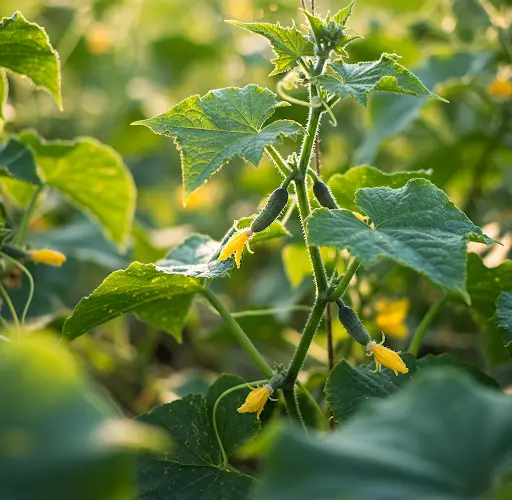
How to Make an Effective Natural Fungicide to Protect Your Plants
Fungal diseases are one of the biggest threats to healthy crops and garden plants. From powdery mildew to blight, fungi can quickly take hold, especially during warm, humid conditions or after rainfall. These infections not only weaken plants but can significantly reduce yield or even lead to total crop loss. Thankfully, there are natural solutions that are both effective and environmentally friendly.
Today, we’ll go over two versions of a natural fungicide: one using a single powerful ingredient, and a more potent version using three common household items. These homemade solutions are excellent alternatives to chemical-based treatments, safe for the environment, and gentle on beneficial insects and pollinators.
Why Use Organic Fungicides?
Organic fungicides are natural products that help control and prevent fungal diseases without the use of aggressive synthetic chemicals. They’re ideal for gardeners looking to reduce chemical input and protect the long-term health of their soil and ecosystem.
By using these solutions regularly, you can keep your plants healthy throughout the growing season and significantly reduce the risk of infections that may otherwise require stronger treatments. Preventive action is always more effective—and more affordable—than trying to manage a widespread outbreak.
Version 1: Single-Ingredient Garlic Spray
Garlic is well-known for its antimicrobial properties, making it a great natural option for combating fungal infections. It contains compounds like allicin, which have antifungal, antibacterial, and even antiviral effects.
Ingredients:
-
1 tablespoon of garlic powder (or use 2–3 fresh garlic cloves)
-
800 ml of warm water
Instructions:
-
-
If using fresh garlic, crush or finely chop the cloves.
-
Mix the garlic (powder or fresh) into warm water and let it sit for about 30 minutes.
-
-
Strain the solution if you used fresh garlic to avoid clogging your spray bottle.
-
Pour into a spray bottle and apply directly to the leaves and stems of your plants, especially where you’ve seen signs of fungal activity.
Garlic’s antifungal properties help prevent spores from germinating and spreading. It also strengthens plant immunity over time when used regularly.
Version 2: Enhanced Three-Ingredient Natural Fungicide
For even more effective fungal control, you can combine garlic with two additional ingredients: milk and baking soda. Each has unique properties that help prevent and suppress fungal infections.
Additional Ingredients:
-
100 ml of milk (any type, but preferably unflavored and unsweetened)
-
1 tablespoon of baking soda
Instructions:
-
-
Start with the garlic water base as in Version 1.
-
Add 100 ml of milk to the garlic mixture. Milk contains proteins and beneficial bacteria that can inhibit fungal growth and act as a mild plant supplement.
-
-
Stir in 1 tablespoon of baking soda. Baking soda (sodium bicarbonate) raises the pH on the surface of leaves, making it more alkaline. Fungal spores thrive in acidic environments, so this shift helps prevent their development.
Application:
-
-
Spray the mixture generously over the affected and surrounding areas of your plants.
-
Focus on both the top and underside of the leaves.
-
-
For best results, apply every few days, especially after rain, when the chances of fungal growth increase due to damp conditions.
How It Works
Each of the ingredients in this mixture plays a vital role:
-
-
Garlic: Antimicrobial and fungicidal. It acts as the first line of defense against fungal spores and pathogens.
-
Milk: Rich in natural proteins and beneficial microbes that help protect the plant and support its immune system. It also forms a mild protective film over the leaves.
-
Baking Soda: Alters the pH environment on the leaf surface, making it inhospitable for fungal growth and reproduction.
-
Together, they create a powerful synergy that protects plants from common fungal threats in a safe and natural way.
Best Practices
-
-
Always test your spray on a small part of the plant before applying it to the entire crop, especially if the plant is sensitive.
-
-
-
Avoid spraying during the hottest part of the day to prevent sunburn on wet leaves.
-
Reapply regularly during the growing season, and more frequently during wet or humid weather.
-
Store any leftover mixture in a cool place, but for best results, prepare fresh batches every few days.
-
Using this method consistently helps you avoid relying on chemical treatments, promotes healthy plant development, and supports a sustainable gardening practice. Whether you’re growing cucumbers, tomatoes, peppers, or leafy greens, this homemade fungicide offers a simple and effective way to safeguard your garden naturally.