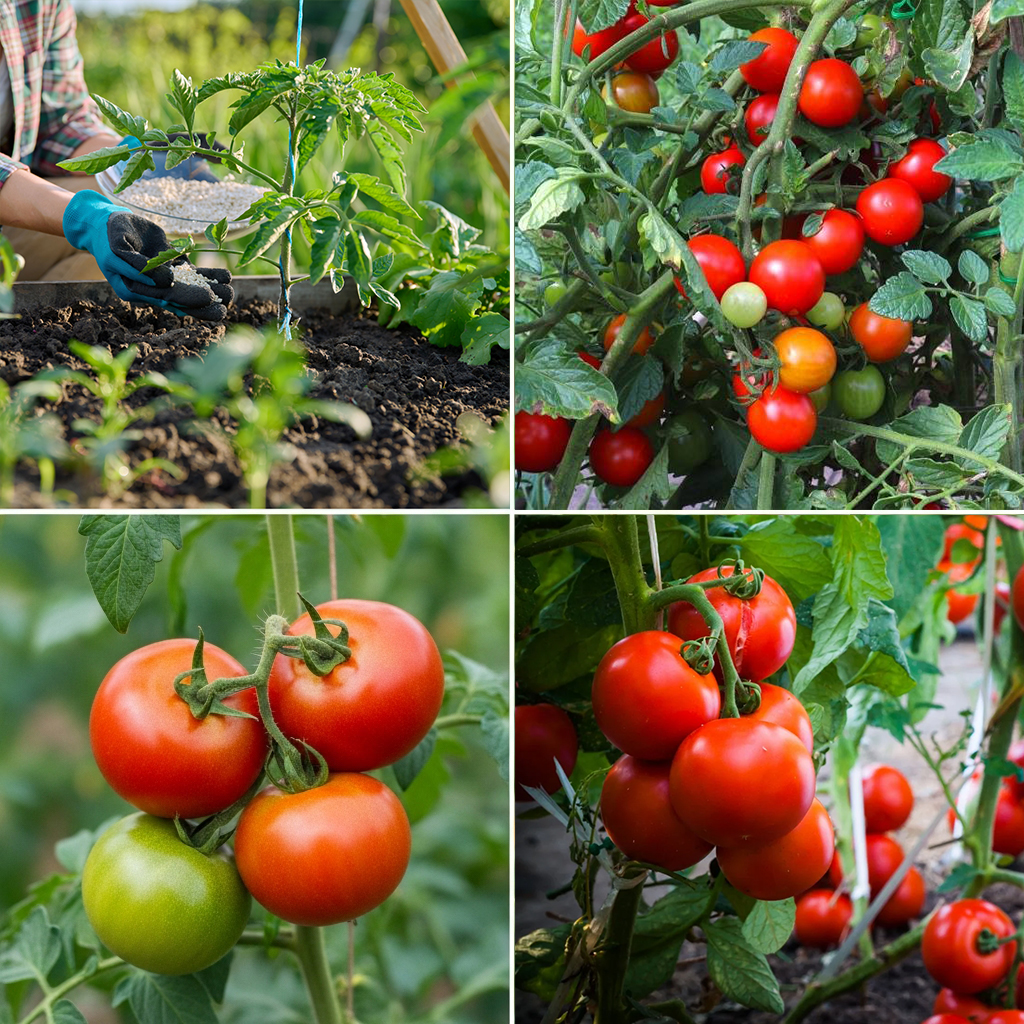
Tomatoes are one of the most rewarding crops to grow at home. With the right techniques, you can enjoy an abundant harvest from a single plant all year long. Many gardeners struggle with low yields, short harvest seasons, or plants that stop producing too soon. But the secret to ultra-productive tomato plants lies in the right planting, care, and maintenance strategies. By following this guide, you’ll learn how to keep your tomato plants thriving for continuous fruit production.
Choosing the Right Tomato Variety
Not all tomatoes are created equal when it comes to year-round harvesting. To maximize productivity, choose the best varieties:
-
- Indeterminate (Vining) Tomatoes: These keep growing and producing fruit throughout the season, unlike determinate (bushy) varieties that produce a single batch and then stop.
- Perennial Tomatoes: Certain tropical varieties, such as Everglades tomatoes, can grow for multiple years in warm climates.
- Cherry Tomatoes: These small-fruited varieties tend to produce continuously and adapt well to different growing conditions.
Step-by-Step Guide to Growing Ultra-Productive Tomato Plants
1. Starting with Healthy Seeds or Seedlings
-
- Select high-quality, disease-resistant seeds or healthy nursery seedlings.
- If starting from seeds, sow them in trays with a well-draining seed-starting mix.
- Keep soil moist and provide warmth (70–80°F or 21–27°C) to encourage germination.
- Once seedlings have at least two sets of true leaves, transplant them into larger pots or directly into the ground.
2. Preparing the Perfect Soil
Tomatoes thrive in nutrient-rich, well-draining soil. To create the ideal growing environment:
-
- pH Level: Aim for a soil pH of 6.0–6.8.
- Organic Matter: Mix compost, aged manure, or worm castings into the soil.
- Aeration: Add perlite, coco coir, or sand to improve drainage.
3. Planting for Maximum Yield
-
- Dig a deep hole and bury ⅔ of the tomato stem. This encourages strong root development.
- Space plants 18–24 inches apart to ensure good air circulation and prevent disease.
- Mulch around the base with straw or dried leaves to retain moisture and suppress weeds.
4. Providing the Right Support
- Use sturdy stakes, cages, or trellises to support vining tomato plants.
- Regularly tie stems to supports to prevent breakage and encourage upward growth.
5. Watering the Right Way
-
- Water deeply 2–3 times a week rather than shallow daily watering.
- Always water at the base of the plant to prevent fungal diseases.
- Use drip irrigation or a soaker hose for consistent moisture.
6. Feeding for Continuous Production
Tomatoes are heavy feeders and require regular fertilization:
-
- Early Growth: Use a balanced organic fertilizer (10-10-10) or compost tea.
- Flowering Stage: Switch to a phosphorus-rich fertilizer (e.g., bone meal) to boost fruiting.
- Fruiting Stage: Feed with potassium-rich fertilizers (e.g., banana peel compost) to enhance flavor and productivity.
7. Pruning and Maintenance for Long-Term Growth
- Remove Suckers: These small shoots grow between the main stem and branches. Removing them directs energy toward fruit production.
- Trim Lower Leaves: Once the plant starts producing fruit, cut off lower leaves to prevent soil-borne diseases.
- Rotate Plants: Change planting locations each season to prevent soil depletion and pest buildup.
8. Pest and Disease Control
-
- Common Pests: Watch out for aphids, whiteflies, and hornworms. Use neem oil or insecticidal soap to keep them in check.
- Fungal Diseases: Avoid overhead watering and ensure good air circulation to prevent blight and powdery mildew.
- Companion Planting: Grow basil, marigolds, or garlic nearby to naturally repel pests.
9. Extending the Harvest Season
-
- Succession Planting: Start new seedlings every 6–8 weeks to ensure continuous harvests.
- Indoor Growing: Use grow lights or a greenhouse to produce tomatoes during colder months.
- Hydroponics and Container Growing: In colder climates, growing tomatoes in containers indoors can provide fresh tomatoes all year.
Final Thoughts
By following these simple but effective strategies, you can transform your tomato plants into ultra-productive, year-round harvesters. The key is choosing the right variety, providing optimal care, and maintaining the plants to keep them producing. With proper attention, you can enjoy fresh, homegrown tomatoes in every season. Start today and reap the rewards of an endless tomato harvest!