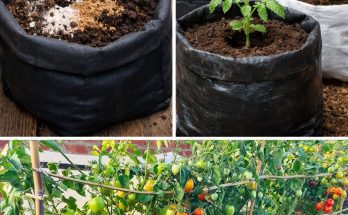
Wood ash, a common byproduct of fireplaces and wood stoves, can be a surprisingly effective addition to your garden if used correctly. Packed with essential minerals and capable of adjusting soil pH, wood ash is a powerful natural amendment. However, there are important guidelines to follow to ensure your garden benefits without causing harm.
What Is Wood Ash?
Wood ash is the residue left after burning hardwood or softwood. It contains a variety of minerals beneficial for plant health, including potassium, calcium, and magnesium. These nutrients are readily available to plants and can help promote healthy growth, flowering, and fruiting. Unlike synthetic fertilizers, wood ash is a sustainable and eco-friendly option for home gardeners.
Benefits of Wood Ash in the Garden
-
-
Natural Fertilizer
One of the main advantages of wood ash is its role as a natural fertilizer. It is especially rich in potassium, a key nutrient for root development and fruit production. This makes it ideal for vegetables such as tomatoes, carrots, and root crops. -
pH Adjustment
Wood ash is alkaline, meaning it can help raise the pH of acidic soils. This is particularly useful for gardeners working with naturally acidic conditions. By neutralizing the soil’s acidity, wood ash makes other nutrients more accessible to plants.
-
-
Pest Deterrent
When sprinkled around plants, wood ash can act as a natural deterrent to certain pests like slugs and snails. The fine texture irritates the soft bodies of these creatures, keeping them away from vulnerable seedlings. -
Compost Enhancer
Adding wood ash to compost piles can improve nutrient balance and speed up decomposition. It helps regulate acidity in the compost, creating a better environment for microorganisms to thrive.
How to Use Wood Ash Safely
Despite its many benefits, wood ash must be used with care to avoid damaging your plants or soil. Here are key guidelines to follow:
-
-
Use Moderately
A little goes a long way. Apply wood ash sparingly—generally, a thin layer (about one pound per 10–15 square feet) is sufficient. Overuse can make the soil too alkaline, which can inhibit plant growth and nutrient uptake. -
Avoid Acid-Loving Plants
Don’t use wood ash near acid-loving plants such as blueberries, azaleas, rhododendrons, and camellias. These species prefer low pH soil, and wood ash can make their environment too alkaline for them to thrive.
-
-
-
Keep It Dry and Stored Safely
Store ash in a metal container with a lid to keep it dry. Moisture can turn ash into a lye-like substance, which is highly caustic and unsafe to handle. -
Apply During Soil Preparation
The best time to add wood ash is before planting, during soil preparation in early spring or late fall. This allows the nutrients to integrate into the soil and avoids disrupting active plant growth. -
Test Your Soil First
Before using wood ash, test your soil’s pH. If the soil is already neutral or alkaline, adding ash can push the pH too high. Soil testing kits are inexpensive and widely available at garden centers or online.
-
Additional Tips
-
-
Sift the Ash
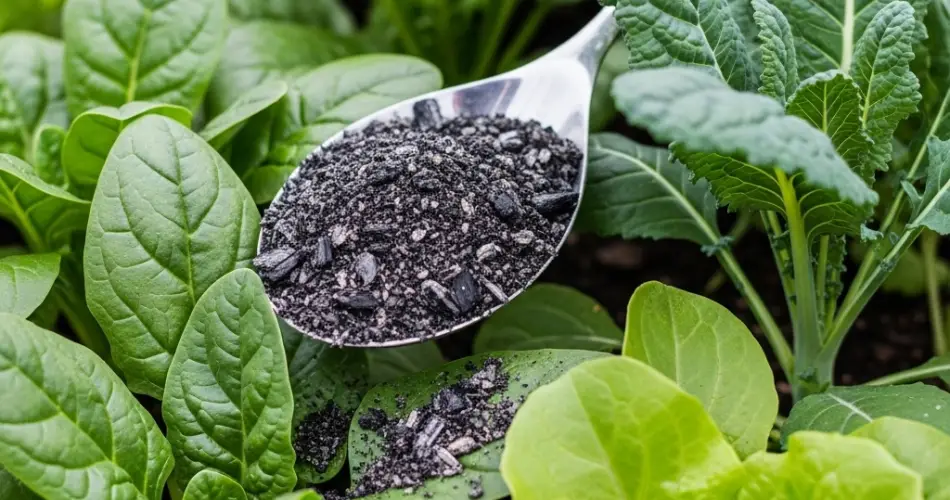
Remove large charcoal chunks or debris before application to ensure even distribution and avoid concentrated patches. -
Mix into the Soil
Don’t leave ash sitting on top of the soil where it can be blown away or washed off. Lightly mix it into the top few inches of soil to help nutrients absorb more effectively -
Combine with Compost
Add ash gradually to your compost bin—never in large amounts all at once. A small handful now and then will enrich the compost without disrupting its balance.
-
-
Avoid Ash from Treated Wood
Only use ash from natural, untreated wood. Burning painted, stained, or chemically treated wood can release toxins, which may remain in the ash and harm plants or contaminate the soil.
Final Thoughts
Wood ash can be a valuable tool in your gardening toolkit when used thoughtfully and in moderation. It provides important nutrients, adjusts soil pH, and can even help deter pests—all without synthetic chemicals. However, it’s crucial to understand your garden’s needs, test your soil, and apply ash at the right time and in the right amount
Whether you’re growing vegetables, flowers, or maintaining a compost pile, wood ash can support healthier, more productive plants. With proper use, this humble byproduct can transform into a powerful garden ally.