How to Grow Figs in Containers: A Simple Guide
Growing fruit-bearing plants in containers can be a rewarding experience, especially when space is limited. Fig trees, for example, can thrive in a 20-liter pot, providing you with a beautiful and productive plant that doesn’t require a large garden. In this article, we will explain the essential steps to successfully grow a fig tree in a container, from choosing the right pot to ensuring proper drainage, soil preparation, and care.
Choosing the Right Container
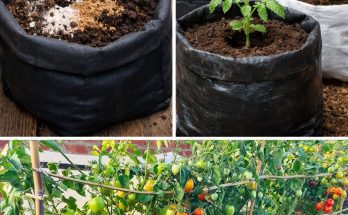
To grow a fig tree in a container, a 20-liter pot is ideal. You can also use an 18-liter can or any similar-sized container that allows room for root growth. Ensure the pot has proper drainage holes at the bottom to prevent water from accumulating, which can cause root rot. Before placing soil into the pot, place a layer of paper towel or a similar material at the bottom to act as a filter and prevent soil from washing through the drainage holes.
Preparing the Soil
Figs thrive in well-drained, slightly acidic soil. For this reason, preparing the soil correctly is crucial for the plant’s success. Start by using a mix of 10% construction sand to improve drainage and add structure to the soil. Additionally, incorporate well-composted manure or organic fertilizer (about four handfuls) to enrich the soil and ensure the tree receives enough nutrients for healthy growth
The pH of the soil should be slightly acidic, as fig trees prefer this environment. If the soil’s pH is too high, it can be adjusted with organic matter to ensure it’s ideal for fig tree growth.
Planting the Fig Tree
Once your soil is prepared, it’s time to plant the fig tree. Carefully remove the seedling from its current container, ensuring not to damage the root ball. You may need to gently loosen the sides of the root ball if it is compacted. You can also make small lateral cuts to help the plant adjust to its new container.
Place the seedling in the center of the pot, and gradually fill in around the roots with the prepared soil. Be sure to press the soil down firmly to eliminate air pockets, but don’t compact it too much. This ensures the plant’s roots will have good contact with the soil for optimal nutrient absorption
Adding Organic Matter and Compost
After planting, it’s beneficial to add a generous layer of organic compost or well-rotted manure on top of the soil. This layer will continue to break down over time, helping lower the soil’s pH and improving the soil’s structure. As the organic matter decomposes, it will provide the fig tree with a continuous supply of nutrients, ensuring long-term health and fruit production.
Watering and Mulching
After planting, thoroughly water the fig tree to help settle the soil and ensure the roots receive adequate moisture. You can add expanded clay pellets or small stones to the top of the soil to help retain moisture and reduce evaporation. Mulching around the base of the tree will also help maintain soil moisture and prevent weeds from competing for nutrients.
It’s essential to water the tree regularly, especially during hot weather, but be careful not to overwater. Figs prefer slightly dry conditions between watering. Ensure the soil is well-drained, as stagnant water can lead to root rot
Using Bordeaux Mixture for Pest Control
To promote healthy growth and prevent diseases, it’s important to protect the fig tree from pests and fungal infections. One effective solution is using Bordeaux mixture, a copper-based fungicide that is often used in gardening. Bordeaux mixture can help control common diseases such as mildew, rust, and other fungal issues that can harm fig trees.
Apply the Bordeaux mixture generously to the tree, ensuring you cover the underside of the leaves and all exposed areas. This fungicide will prevent fungal spores from taking hold and causing damage to the tree’s leaves, which in turn helps the tree produce more energy for fruiting. Reapply the Bordeaux mixture every 30 days to maintain effective protection.
Providing Adequate Sunlight and Care
Figs require plenty of sunlight to thrive. Make sure to place your container in a location where the tree will receive at least six hours of direct sunlight each day. This will help the tree grow vigorously and produce high-quality fruit.
Additionally, ensure the tree has enough space to spread out its roots and branches, even in a container. Figs can grow quite large, so make sure the pot is large enough to accommodate the plant as it matures. Regular pruning will help maintain the tree’s shape and encourage better fruit production.
Harvesting the Fruit
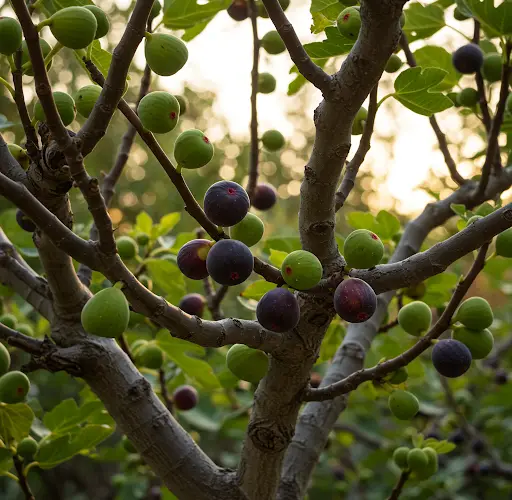
With proper care, your fig tree will begin to produce fruit in a relatively short amount of time. Depending on the variety, you can expect to see figs ready for harvest within one to two years. Figs are usually ready to pick when they are slightly soft to the touch and have a deep, rich color. Harvest the figs by gently pulling them from the tree to avoid damaging the plant.
Conclusion
Growing figs in a container is a great way to enjoy homegrown fruit, even if you have limited space. By selecting the right container, preparing the soil correctly, providing adequate care, and using natural solutions for pest control, you can create a thriving fig tree that will yield beautiful, delicious fruit. With the right conditions, your fig tree will produce fruit quickly, giving you a delightful harvest in no time.