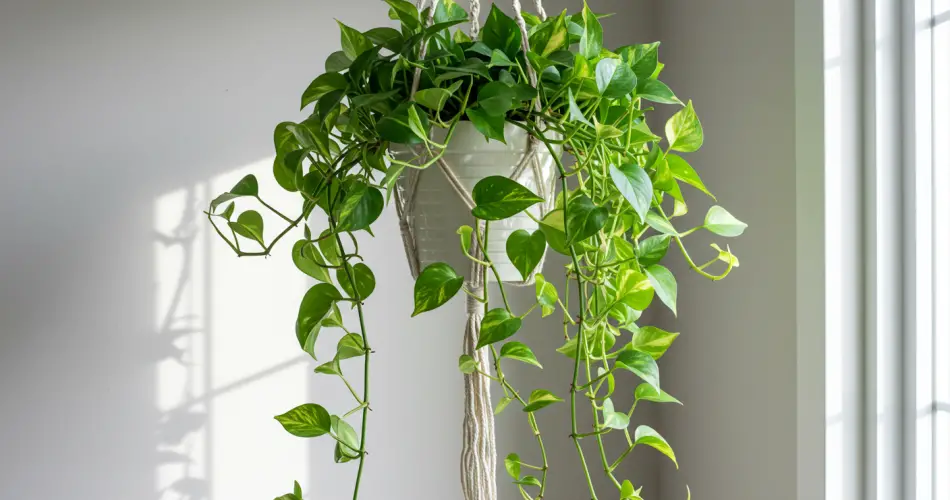
The pothos plant has become one of the most beloved houseplants in recent years, even among those who don’t consider themselves particularly skilled with plants. It’s easy to care for, brightens up any room with its vibrant green leaves, and doesn’t demand much attention. Whether grown in soil or water, pothos is a survivor—making it the ideal plant for anyone who wants to enjoy a touch of greenery without the stress of constant maintenance. But how can you make it truly flourish and grow faster?
Pothos: A Houseplant Favorite Around the World
Whether hanging from a basket, cascading from a shelf, or climbing up a support pole, the pothos is one of the most common and versatile indoor plants. Its resilience and adaptability make it perfect for any home environment, while its glossy, heart-shaped leaves add a lush, tropical vibe to any corner of the house.
Native to regions like Australia, Asia, Madagascar, and the Pacific Islands, pothos (Epipremnum aureum) naturally grows in warm, humid climates such as tropical rainforests. Its leaves are typically medium-sized and heart-shaped, with vibrant green tones often marbled or streaked with white or yellow. In the wild, the plant can reach impressive lengths—up to 5 meters—but even indoors, it can easily grow trailing stems over 2 meters long when properly cared for
Although pothos does produce flowers in its natural habitat, flowering indoors is extremely rare due to the difference in climate. Instead, its main appeal lies in its beautiful foliage and ability to thrive almost anywhere.
Where and How to Grow Pothos Indoors
One of the great advantages of pothos is its adaptability. It grows beautifully both in soil and in water. However, providing the right environment can make all the difference in how fast and full your plant becomes.
The key to a thriving pothos lies in light. It loves bright, indirect sunlight—too little light can cause the leaves to lose their variegation, while direct sunlight can scorch them. The perfect spot is near a bright window, where the plant receives filtered light throughout the day
Avoid placing pothos near cold drafts, such as near frequently opened doors or windows during winter. This plant does not tolerate cold air or sudden temperature changes. Ideally, keep it in a room with stable temperatures between 18°C and 25°C (65°F to 77°F) and moderate humidity.
Watering is another crucial factor. Pothos enjoys slightly moist soil but dislikes standing water. Let the top layer of soil dry out between waterings, and make sure the pot has good drainage to prevent root rot. If you’re growing it in water, change the water every week or two to keep it fresh and oxygenated.
Stylish Ways to Display Your Pothos
Beyond its easy care, one reason pothos is so popular is its decorative potential. A single plant can be styled in many ways to enhance your interior decor
Traditionally, many people used to grow pothos in pots with a moss pole or stake in the center, allowing the plant to climb upward. Nowadays, however, the trailing look is more in vogue. You’ll often see pothos cascading beautifully from bookshelves, cabinets, or hanging baskets, creating a lush waterfall of green leaves
Hanging pothos in woven rope baskets or macramé holders adds a natural and cozy touch to living rooms or cafés. Another creative option is to group several pothos plants together in one container or side by side. As they grow, their vines will intertwine and form a dense, full display that hides the pots entirely—an impressive “wow” effect that gives your space a mini indoor jungle feel.
For a more structured look, you can train your pothos to climb walls or trellises. Using thin metal or wire guides, gently attach the vines to create shapes or patterns on a wall—perfect for adding a living design element to your home.
How to Multiply and Strengthen Your Pothos Through Cuttings
If you want an even fuller plant or wish to propagate new ones, the easiest and most rewarding method is through cuttings.
Simply cut a healthy vine from the tip of your existing pothos, making sure it has at least one node—the small bump where leaves and roots grow. Place the cutting in a jar of clean water, ensuring the node is submerged but the leaves remain above the surface. Position the jar in a bright spot with indirect light, and within days you’ll see new roots beginning to form.
Once the roots reach a few centimeters in length, you can either transfer the cutting into soil or keep it growing in water. Many people love the look of pothos in glass jars or vases, where the roots are visible—this not only looks elegant but also makes it easier to monitor the plant’s health
If you keep your pothos in water permanently, remember to clean the jar regularly and replace the water frequently to prevent the growth of algae or mosquito larvae, which tend to thrive in stagnant water.
Growing in water generally results in faster growth compared to soil, especially in bright conditions. However, plants grown in soil tend to develop stronger roots over time and require less maintenance once established.
Final Tips for a Thriving Pothos
-
-
Light: Bright but indirect sunlight is ideal. Too much shade can slow growth and dull the leaves’ color
-
Temperature: Keep between 18°C and 25°C. Avoid cold drafts or heat sources
-
-
-
Watering: Allow soil to dry slightly between waterings; if in water, change it regularly.
-
Humidity: Loves moderate humidity—occasional misting can help.
-
Propagation: Use cuttings to easily multiply and thicken your plant.
-
Container choice: Transparent jars are perfect for water-grown pothos so you can easily spot any issues
-
The pothos truly lives up to its reputation as one of the easiest and most satisfying houseplants to grow. With just a bit of care, the right placement, and attention to light and water, you can enjoy a lush, fast-growing plant that brings freshness and natural beauty into any space all year round.