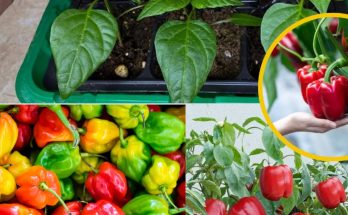
No Garden? No Problem – How to Grow Tomatoes at Home for High Yields
Tomatoes are one of the most popular and rewarding crops to grow at home. You don’t need a large garden or even a yard—just a little creativity, sunshine, and the right method. Whether you’re working with a balcony, rooftop, or even just a small patio, growing tomatoes is easy and incredibly fruitful when done correctly. This guide walks you through an efficient method for growing tomatoes that produces high yields, even in limited space.
Why Tomatoes Are Perfect for Home Growing
Tomatoes are a favorite among home gardeners for a good reason:
-
-
They grow quickly and easily
-
They’re incredibly productive when given the right care
-
They thrive in containers
-
-
Fresh homegrown tomatoes taste far better than store-bought ones
With compact, vertical growing techniques, even small spaces can yield a surprisingly large harvest.
Choosing the Right Tomato Variety
The first step to successful tomato growing is picking the right variety for your conditions. Tomatoes fall into two main categories:
-
-
Determinate (bush) varieties – These grow to a fixed height and produce fruit all at once. Ideal for container growing and small spaces.
-
-
Indeterminate (vining) varieties – These continue growing and producing fruit throughout the season. Great for vertical setups.
For small space growing, consider compact or patio varieties such as:
-
-
‘Tiny Tim’
-
‘Balcony’
-
‘Bush Early Girl’
-
-
‘Patio Princess’
If you’re using a vertical structure like a trellis or pole, indeterminate types like ‘Roma’, ‘Cherry’, or ‘Beefsteak’ are excellent.
Materials You’ll Need
-
-
Tomato seedlings or seeds
-
Large containers, buckets, or grow bags (at least 12 inches deep)
-
Potting mix with compost
-
-
-
Stakes, cages, or trellis (for support)
-
Watering can or hose
-
Optional: mulch, liquid fertilizer, Epsom salt (for magnesium boost)
-
Step-by-Step: Growing Tomatoes for High Yields
Tomatoes need room for their roots to spread. Use a container that’s at least 12–18 inches deep. Recycled plastic buckets, paint cans, or fabric grow bags work well. Make sure there are drainage holes at the bottom.
2. Prepare the Soil
Use a nutrient-rich potting mix. Blend in compost or well-rotted manure before planting. Tomatoes love slightly acidic to neutral soil with a pH between 6.0 and 7.0. Adding crushed eggshells or a bit of Epsom salt can boost calcium and magnesium levels.
3. Plant Deep for Strong Roots
When transplanting tomato seedlings, bury them deeper than they were in the nursery pot—right up to the first set of true leaves. Tomato plants grow roots along buried stems, making them sturdier and more productive.
4. Support Your Plants Early
Install a stake, tomato cage, or vertical trellis immediately after planting. This prevents root disturbance later and supports the plant as it grows heavier with fruit.
5. Water Wisely
Tomatoes need consistent moisture, especially when fruiting. Water deeply when the top inch of soil is dry, but avoid overwatering. Container plants often dry out faster, so monitor closely—daily watering might be needed in hot weather.
Avoid watering the leaves to prevent fungal diseases. Water at the base of the plant.
Tips to Maximize Yields
1. Prune for Productivity
For indeterminate varieties, pinch off the “suckers” (small shoots that grow between the stem and a branch). This helps the plant focus energy on fruit production instead of excess foliage.
2. Feed Regularly
Tomatoes are heavy feeders. Every two weeks, apply a balanced liquid fertilizer or tomato-specific feed. If you notice yellowing leaves or poor fruit set, they may need additional nutrients like potassium or calcium.
3. Mulch to Retain Moisture
Apply a layer of mulch—like straw, leaves, or coconut husk—around the base of the plant. This keeps the soil moist, reduces weeds, and prevents splash-up that could spread disease.
4. Keep an Eye on Pests
Common pests like aphids, whiteflies, and tomato hornworms can cause damage. Use neem oil or soap spray if needed, and remove pests by hand when possible. Encourage ladybugs and other beneficial insects to help manage pest populations naturally.
Harvesting Tomatoes
Tomatoes are typically ready to harvest when they are fully colored and slightly soft to the touch. Depending on the variety, this could be red, orange, yellow, or even purple.
Don’t rush to pick them too early—vine-ripened tomatoes offer the best flavor. If frost is approaching or pests become a problem, you can pick mature green tomatoes and let them ripen indoors on a windowsill.
Final Thoughts
With just a bit of preparation and care, you can grow juicy, flavorful tomatoes right at home—without needing a traditional garden. Whether in pots, buckets, or a vertical setup using recycled materials, tomatoes will reward you with an abundant harvest in return for minimal effort.
This method is especially useful for urban gardeners, apartment dwellers, or anyone who wants to enjoy homegrown food in a limited space. Once you experience the taste of your own sun-ripened tomatoes, you’ll never look at store-bought ones the same way again.