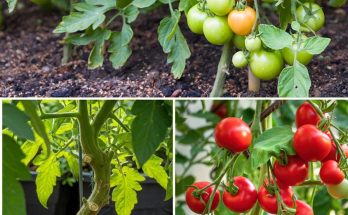
A super fertilization technique during the flowering stage can significantly boost your tomato yield. This simple yet effective method ensures that your plants receive all the necessary nutrients to develop strong flowers and, ultimately, an abundant harvest of juicy tomatoes. In this article, we’ll explore how to properly fertilize your tomatoes during the flowering stage to maximize their productivity.
Why Fertilization Matters During Flowering
Tomatoes need an adequate supply of nutrients during their flowering phase to ensure optimal fruit set. Flowering is a crucial stage, as it is the moment when the plant transitions from vegetative growth to fruit production. If the plant doesn’t receive enough nutrients at this stage, it may not produce as many flowers, or the flowers may not fully develop into fruit.
The right mix of nutrients during flowering ensures that:
-
Flowers are fully pollinated and form into healthy fruit.
-
Stronger stems and branches support heavier fruit loads.
-
Faster fruit ripening is achieved, leading to an early and plentiful harvest.
Super Fertilization: The Key Ingredients
When it comes to super fertilization during the flowering stage, a balanced blend of nutrients is essential. During this time, your tomato plants require more phosphorus, potassium, and trace minerals than they did during the vegetative phase. Phosphorus promotes flower and root development, while potassium supports overall plant health, fruit development, and disease resistance.
Ingredients:
-
-
1 tablespoon of superphosphate (high in phosphorus)
-
1 tablespoon of potassium sulfate (to increase potassium)
-
1 teaspoon of magnesium sulfate (Epsom salt) (to supply magnesium, which aids in photosynthesis)
-
-
1 tablespoon of compost or organic matter (to provide trace minerals and boost soil microbes)
Instructions:
-
Prepare the Solution:
-
Mix the superphosphate, potassium sulfate, and Epsom salt in 5 liters of water. Stir thoroughly until everything is well dissolved.
-
-
Apply the Fertilizer:
-
Once your tomato plants start to flower, apply about 500 ml of this solution to the base of each plant. Focus on the soil around the root zone, avoiding direct contact with the leaves.
-
-
Repeat the Application:
-
Apply the fertilizer every 10–14 days during the flowering stage. This will ensure that the plants continue to receive the nutrients they need throughout the critical fruit-setting phase.
-
Why These Nutrients Matter
-
Phosphorus: This nutrient is crucial for flower and root development. During the flowering phase, phosphorus helps the plant develop healthy blooms and increases the chance of successful pollination. Phosphorus also strengthens the overall structure of the plant, enabling it to support a heavy load of fruit.
-
Potassium: Potassium is essential for fruit formation and helps tomatoes produce high-quality, disease-resistant fruit. It also helps the plant regulate water and nutrients more efficiently, which is crucial during fruit development.
-
Magnesium: Magnesium is a key component of chlorophyll, which helps the plant perform photosynthesis. A good supply of magnesium ensures that the plant can efficiently convert sunlight into energy, which is especially important during the flowering and fruiting stages.
-
Organic Matter/Compost: Organic matter not only provides essential trace elements but also encourages beneficial microorganisms in the soil, which promote healthy root systems and improved nutrient uptake.
Additional Tips for Boosting Tomato Yield
While super fertilization during flowering is a fantastic way to improve your yield, there are other practices that will help your tomatoes grow strong and produce more fruit:
-
-
Water Consistently:
Tomatoes need consistent moisture, especially during flowering and fruiting. Avoid over-watering, as this can lead to root rot, but ensure that the soil remains evenly moist. -
Prune Regularly:
Pruning tomato plants helps direct energy towards fruit production. Remove excess leaves, especially the lower leaves that may touch the soil, to improve air circulation and reduce the risk of disease.
-
-
-
Provide Support:
Use stakes, cages, or trellises to support your tomato plants as they grow. This will keep the plants upright, prevent the stems from breaking under the weight of the fruit, and improve airflow, reducing the risk of fungal infections. -
Mulch Around the Base:
Applying a layer of mulch around your tomato plants helps retain moisture, keeps weeds at bay, and prevents soil-borne diseases from splashing up onto the plants during watering or rainfall. -
Control Pests:
Keep an eye out for pests such as aphids, whiteflies, and tomato hornworms. Use organic pest control methods, like neem oil or insecticidal soap, to protect your plants from damage and ensure they can focus on growing and producing fruit.
-
Conclusion
Super fertilization of tomatoes during the flowering stage is a simple but effective way to increase your yield and grow healthier, more productive plants. By providing the right nutrients at the right time—specifically phosphorus, potassium, and magnesium—you’ll help your tomato plants thrive, set fruit successfully, and deliver a bountiful harvest. With a little care, the proper nutrients, and consistent attention, your tomato plants will reward you with a rich and abundant crop.
Try this fertilization technique today and watch your tomatoes grow like never before!