
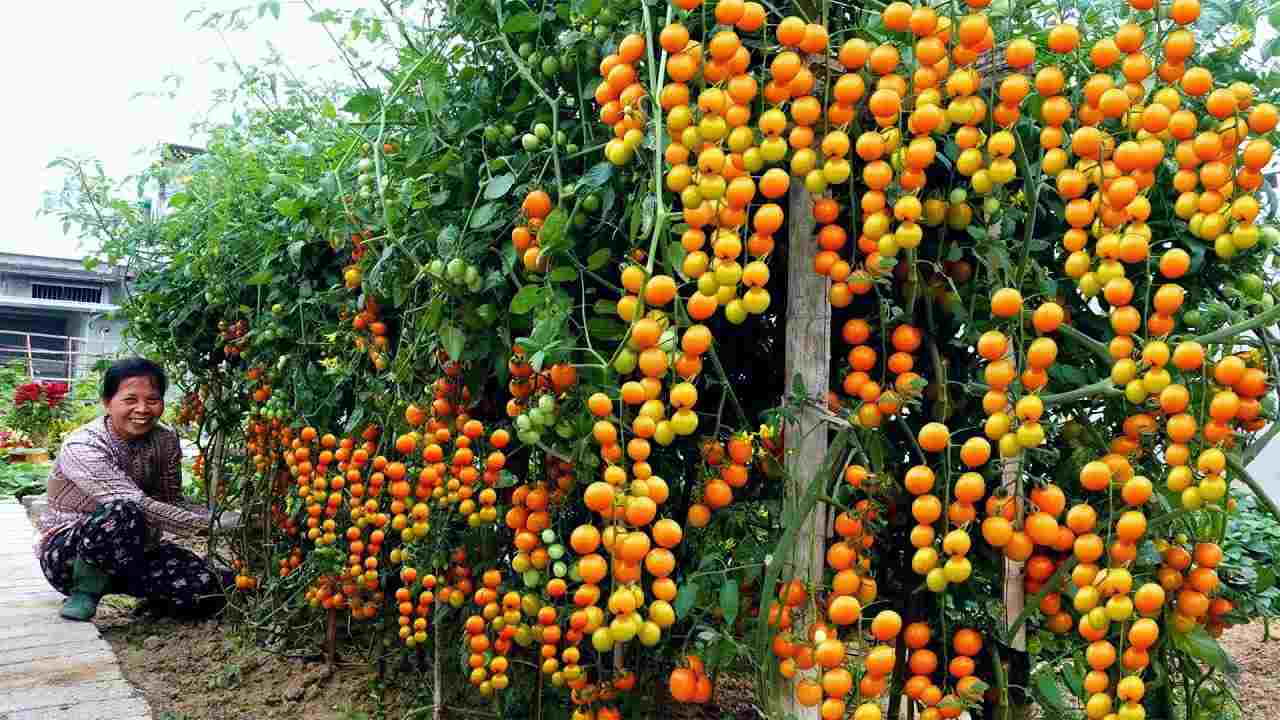
The tomato, an undisputed king of the culinary realm, graces our tables with its vibrant red hue, a staple in both summer salads and winter pasta sauces. For those yearning to cultivate their own tomato bounty in the garden, experts share an age-old technique that promises an abundance of these coveted fruits. This ancient wisdom ensures that even the smallest vegetable garden can flourish with the red jewels loved by all. Let’s delve into the secrets of this time-tested technique.
Sowing the Seeds of Success: Expert Advice
The journey of cultivating tomatoes begins with seeds nestled in jars, each equipped with drainage holes at the base. This initial step lays the foundation for the first seedlings, with approximately four tomato seeds finding a home in each jar. Placing these jars in a sheltered, sunny location, preferably towards the end of winter, kickstarts the germination process.
As spring emerges, the first delicate shoots make their appearance, heralding the arrival of robust seedlings. The experienced gardener carefully selects the strongest and most developed seedlings for the next phase – transplanting them into the garden. Choosing an ideal location devoid of direct sunlight and temperature fluctuations during the night is key to fostering optimal growth.
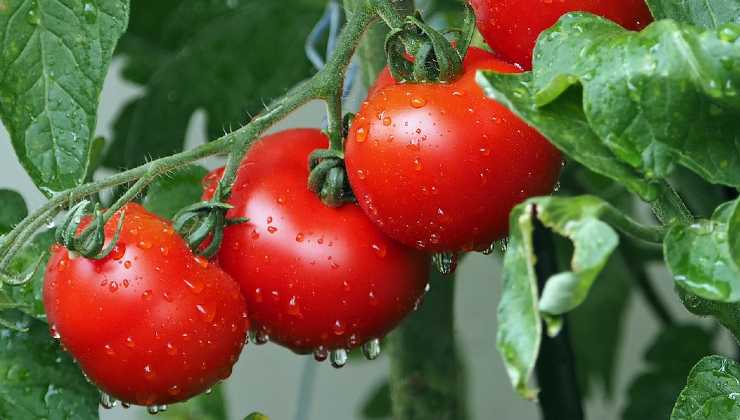
As the plants mature for transplantation, soil adjustments become a crucial step. Seeking guidance from experts ensures that the soil is enriched with the necessary nutrients. Furthermore, maintaining the right temperature around the roots, possibly with a natural material mulch, becomes a protective measure against harmful bacteria, fungi, and erratic temperature swings.
Guardians of Abundance: The Expert Method
Understanding that most tomato varieties are climbers, experts advocate the use of supports, referred to as guardians. These structures provide a climbing framework for the tomatoes, ensuring adequate light exposure for growth while preventing dependence on soil moisture.
Common pitfalls include neglecting the installation of stakes, resulting in an unstable structure that hinders optimal fruit production. Additionally, waiting until after the plants have taken root to add support poses an unnecessary risk, potentially damaging the vegetables and impeding growth.
Choosing the right support structure is paramount. Whether crafted from wood or silicone, the support allows tomatoes to ascend gracefully. Tailoring the structure to the specific tomato variety being grown is crucial, recognizing that optimal vertical development correlates with a bountiful tomato harvest.
