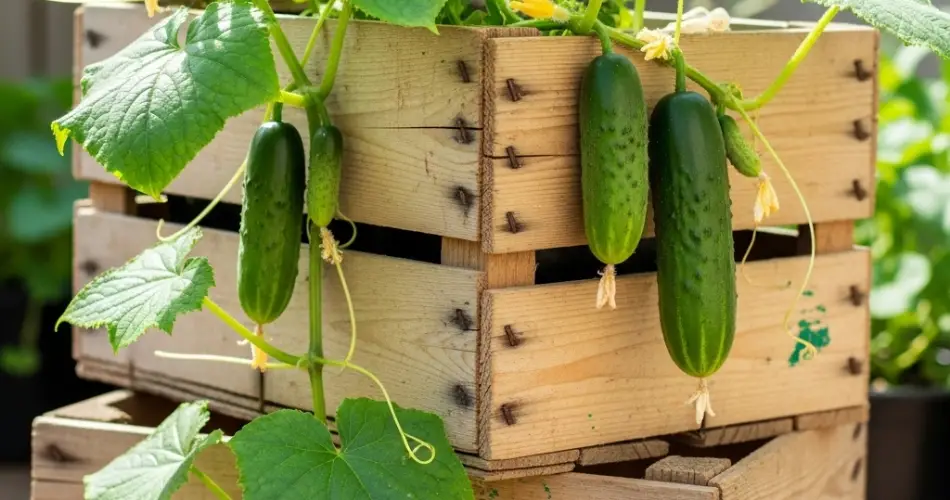
Urban Cucumber Harvests from Wooden Container Gardens
Cucumbers are a refreshing and versatile vegetable, perfect for salads, pickling, or simply enjoying fresh from the vine. While they are often associated with sprawling backyard gardens, cucumbers can also be grown successfully in compact city spaces. With the help of wooden container gardens, urban gardeners can enjoy crisp, homegrown cucumbers right on their balconies, rooftops, or patios. Wooden containers not only provide the structure cucumbers need to thrive but also add rustic charm to small outdoor spaces. With the right techniques, even the busiest city dweller can enjoy a steady harvest of cucumbers throughout the season.
Why Wooden Containers Work Well for Cucumbers
Wooden containers are an excellent choice for urban cucumber gardening. They retain soil moisture better than lightweight plastic pots and insulate plant roots from extreme temperature swings. This is particularly helpful in urban environments where heat can build up on balconies or rooftops.
Another advantage of wooden planters is their adaptability. They can be built or bought in various sizes and shapes to fit available space. Long troughs, square boxes, or even stacked wooden crates can all serve as productive cucumber planters. In addition, wooden containers are strong enough to support trellises or stakes, making it easier to train cucumber vines vertically—a key strategy for maximizing harvests in small spaces.
Choosing the Right Container
Cucumbers are vigorous growers with extensive root systems, so container size is important. A wooden planter at least 12–16 inches deep and 14–18 inches wide can comfortably support one plant. Larger troughs allow for multiple plants spaced 12 inches apart.
Good drainage is essential. Drill several holes in the bottom of the container to prevent excess water from accumulating, and consider adding a layer of gravel or stones at the base before filling with soil. This setup ensures that roots stay healthy and avoids waterlogged conditions that could damage plants.
Soil Preparation
Healthy soil is the foundation of abundant cucumber harvests. Cucumbers prefer loose, nutrient-rich soil that drains well but holds enough moisture to keep roots consistently hydrated. A balanced soil mix might include equal parts compost, coco coir or peat moss, and perlite. The compost adds organic nutrients, while perlite keeps the soil light and prevents compaction.
Before planting, enrich the mix with a slow-release organic fertilizer. Potassium and phosphorus are especially important for flowering and fruiting, while moderate amounts of nitrogen support leafy growth without overwhelming the plant.
Planting Cucumbers in Wooden Containers
Cucumbers can be grown from seeds or young seedlings. For seeds, wait until temperatures are consistently warm—at least 65°F (18°C) in the soil. Plant seeds about one inch deep, placing two to three seeds per spot, and thin to the strongest plant once seedlings emerge.
Seedlings from nurseries offer a head start. When transplanting, bury them at the same depth as in their original pots, gently firming the soil around the roots. Water well to help plants adjust to their new home.
Training Cucumbers for Compact Growth
Urban spaces are often limited, so vertical growing is key. Attach a wooden trellis, bamboo frame, or netting directly to the planter to encourage vines to climb. Vertical training keeps fruits off the soil, reduces disease risk, improves airflow, and makes harvesting easier.
If space is especially tight, choose compact or bush cucumber varieties. These plants naturally grow shorter vines, making them perfect for wooden containers.
Watering and Feeding
Consistent watering is critical for cucumbers, especially in containers where soil dries out faster. Water deeply when the top inch of soil feels dry, ensuring moisture reaches the root zone. Avoid overhead watering, as damp leaves can encourage mildew. Instead, water directly at the base of the plant.
Feed cucumbers every two to three weeks with a liquid fertilizer rich in potassium to encourage steady fruiting. Organic options such as compost tea, fish emulsion, or seaweed extract work well. Be cautious with high-nitrogen fertilizers, as they encourage lush leaves at the expense of cucumbers.
Managing Pests and Diseases
Container-grown cucumbers often experience fewer soil-borne diseases, but pests can still pose challenges. Aphids, cucumber beetles, and spider mites are common. Regular inspection and early action are the best defenses. Use natural solutions such as neem oil, insecticidal soap, or beneficial insects to keep pests under control.
Powdery mildew can also affect cucumbers, especially in humid urban environments. Prevent it by spacing plants properly, pruning overcrowded foliage, and ensuring good airflow around the vines.
Harvesting Cucumbers
Cucumbers grow quickly and should be harvested frequently to encourage continuous production. Depending on the variety, cucumbers are usually ready to pick 50–70 days after planting. Fruits should be firm, smooth, and the correct size for their type—slicing cucumbers typically measure 6–8 inches, while pickling varieties are smaller.
Harvest cucumbers by gently twisting or cutting them from the vine with scissors. Avoid pulling, as this can damage the plant. The more often you harvest, the more cucumbers the plant will produce.
Final Thoughts
Wooden container gardens make it possible for urban gardeners to enjoy homegrown cucumbers, even in tight spaces. With their natural insulation, rustic beauty, and durability, wooden planters create the perfect environment for healthy cucumber plants. By preparing nutrient-rich soil, providing steady water and feeding, and training vines vertically, you can transform a balcony or rooftop into a productive cucumber patch.
Fresh, crisp cucumbers harvested just steps from your kitchen offer unmatched flavor and satisfaction. With a wooden container garden, city living doesn’t mean giving up on abundant harvests—it simply means growing smarter, in compact and creative ways.
