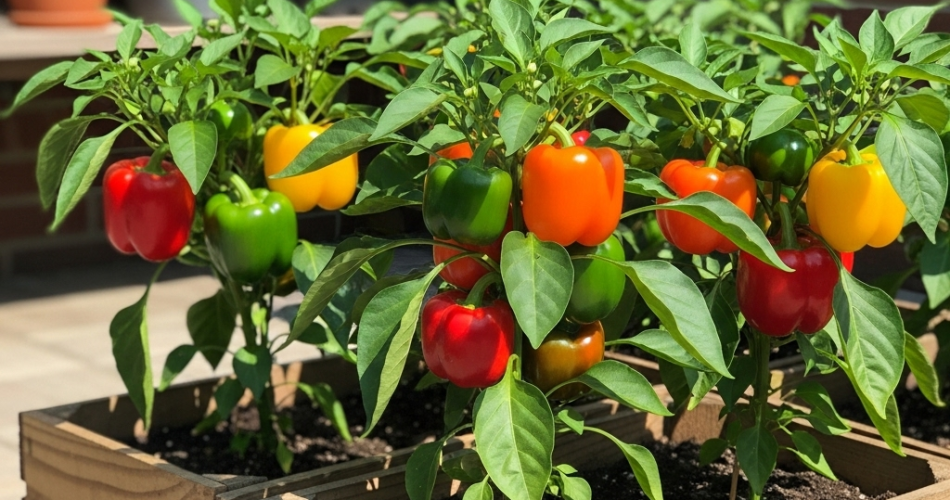
Growing peppers in small spaces is easier than you might think, and you don’t need a garden to enjoy a thriving crop. Using wooden crates on your balcony, you can create a productive pepper garden that yields fresh, flavorful pods right at your doorstep. This method is ideal for urban gardeners, apartment dwellers, or anyone who wants to maximize limited outdoor space while adding vibrant greenery and color to their living area.
Why Grow Peppers in Crates?
Peppers adapt well to container gardening, making them perfect for crate setups. Wooden crates are sturdy, allow for customization, and provide enough soil depth for pepper roots to grow strong. Their breathable structure also improves drainage, helping prevent waterlogged soil, which is a common issue in closed pots.
Crates are easy to move, so you can position your peppers in the sunniest spot on your balcony throughout the growing season. They can also be arranged in creative layouts, doubling as decorative elements while serving a practical purpose
Choosing the Right Pepper Varieties
When growing peppers in crates, compact or medium-height varieties tend to perform best. Some great options include:
-
-
Bell peppers – Sweet and versatile for salads and cooking
-
-
-
Cayenne peppers – Perfect for drying or adding heat to dishes.
-
Jalapeños – Mild spice with many culinary uses
-
-
Banana peppers – Sweet, tangy, and productive.
-
Mini sweet peppers – Small, colorful, and ideal for snacking.
Pick varieties based on your taste preferences and local climate conditions. If your balcony receives at least 6–8 hours of sunlight daily, you can grow almost any pepper successfully
Setting Up Your Crate Garden
1. Select the crate:
Choose a wooden crate that is at least 12 inches deep to accommodate the pepper’s root system. Line the interior with landscape fabric or a burlap sack to prevent soil from spilling out while still allowing drainage.
2. Add drainage:
Place a layer of small stones or broken terracotta at the bottom of the crate. This step helps excess water escape more easily and prevents root rot.
3. Use quality soil:
Peppers need loose, fertile soil. Fill your crate with a mix of potting soil, compost, and a bit of sand for aeration. A ratio of 2 parts potting mix to 1 part compost works well
4. Position for sunlight:
Place your crate in a location that gets full sun for most of the day. Peppers love warmth and thrive in temperatures between 70–85°F (21–29°C).
Planting Your Peppers
Start peppers from seedlings for faster results. If starting from seeds, sow them indoors 8–10 weeks before the last frost, then transplant when the seedlings are sturdy.
When planting in crates:
-
Space seedlings 12–18 inches apart.
-
Plant them at the same depth they were growing in their nursery pots
-
Gently firm the soil around the base and water thoroughly after planting.
Caring for Crate-Grown Peppers
Watering: Keep the soil evenly moist but not soggy. In hot weather, you may need to water daily, but always check the top inch of soil before watering again.
Feeding: Fertilize every 2–3 weeks with a balanced liquid fertilizer or one high in potassium to promote fruit production. Organic compost tea is also an excellent nutrient boost.
Pruning: Remove any yellowing leaves and pinch off the first flowers to encourage stronger growth before fruiting begins
Support: As peppers grow and start producing heavy fruit, they may need support. Use small stakes or bamboo canes to keep plants upright
Pest and Disease Management
Peppers grown in crates are less prone to soil-borne diseases, but keep an eye out for common pests such as aphids, spider mites, and whiteflies. A gentle spray of water or neem oil can help control infestations. Good airflow between plants reduces fungal problems.
Harvesting Your Peppers
Peppers can be harvested when they reach their mature size, or you can leave them on the plant to ripen fully for deeper color and flavor. Regular harvesting encourages continuous production throughout the season
Final Tips for Success
-
-
Rotate your crates every few days to ensure even sunlight exposure.
-
Avoid over-fertilizing with nitrogen, as this can produce lush leaves but fewer fruits
-
Mulch the soil surface with straw or shredded leaves to retain moisture and suppress weeds.
-
By using wooden crates, you turn even the smallest balcony into a mini pepper farm. This simple yet efficient method lets you enjoy fresh, homegrown peppers without the need for a large garden. With proper care, your crate-grown peppers will reward you with a colorful, flavorful harvest all season long.
