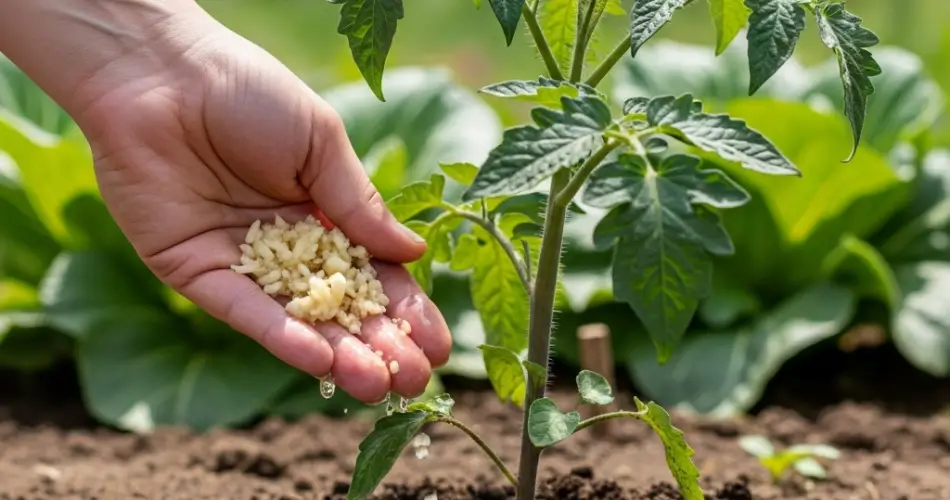
However, using garlic fertilizer correctly is key to achieving the best results without harming your plants. Applying it the right way ensures your garden reaps all the benefits without side effects like leaf burn or odor build-up. Here’s a complete guide to help you prepare, apply, and manage garlic fertilizer properly in your home garden.
Why Use Garlic Fertilizer?
Before jumping into application methods, it’s helpful to understand why garlic fertilizer is so beneficial. Garlic contains sulfur-based compounds like allicin, which provide antifungal and antibacterial protection. It also releases nutrients into the soil that promote stronger root systems and overall plant vigor
Key benefits include:
-
Natural pest deterrent
-
Mild fungicidal properties
-
Improved root development
-
Safe for edible crops, pets, and pollinators
It’s an ideal choice for gardeners seeking organic, homemade solutions to support plant health.
Making Garlic Fertilizer at Home
You can prepare garlic fertilizer using basic ingredients found in your kitchen. The most common method involves garlic water or garlic spray.
Ingredients:
-
2–3 garlic bulbs (around 15–20 cloves)
-
1 liter (4 cups) of clean water
-
1 teaspoon of mild liquid soap (optional for spray adhesion
-
Blender or mortar and pestle
-
Fine strainer or cheesecloth
Instructions:
-
-
Peel and crush the garlic cloves.
-
Blend or mash with a bit of water to make a smooth paste.
-
-
-
Add the rest of the water and stir well.
-
Let the mixture sit for 12–24 hours to allow beneficial compounds to infuse.
-
-
Strain the liquid to remove solids.
-
Store in a spray bottle or watering can.
You can refrigerate the solution for up to one week.
Best Ways to Apply Garlic Fertilizer
Garlic fertilizer can be used as a soil drench or a foliar spray, depending on your plants’ needs and the issues you’re trying to address
1. Soil Drench Method
This method targets root health and soil enhancement. It’s especially useful for feeding plants and preventing root rot or soil-borne pests.
How to apply:
-
-
Pour the garlic solution directly onto the soil at the base of each plant
-
-
-
Apply during the cooler part of the day—early morning or late afternoon.
-
Repeat every 10 to 14 days for ongoing benefits.
-
Tip: Use a watering can with a narrow spout to avoid splashing the leaves.
2. Foliar Spray Method
Spraying garlic fertilizer onto the leaves helps deter insects like aphids, mites, and whiteflies. It also boosts immunity and helps control fungal infections like powdery mildew.
How to apply:
-
-
Pour the garlic fertilizer into a spray bottle
-
-
-
Lightly mist the tops and undersides of the leaves.
-
Test on a small leaf first to ensure there’s no sensitivity.
-
-
Avoid spraying during full sun to prevent leaf burn.
-
Reapply every 7–10 days or after heavy rain.
Tip: Add a few drops of mild liquid soap to help the spray stick to the foliage
Plants That Benefit from Garlic Fertilizer
Garlic fertilizer can be used on a wide range of plants, especially those prone to pests or fungal issues.
Vegetables:
-
-
Tomatoes
-
Peppers
-
Cucumbers
-
Eggplants
-
-
Leafy greens
Herbs:
-
Basil
-
Parsley
-
Cilantro
-
Dill
Flowers and Ornamentals:
-
-
Roses
-
Marigolds
-
-
Zinnias
Fruits:
-
Strawberries
-
Melons
-
Citrus plants
Avoid using garlic fertilizer on garlic, onions, leeks, or shallots, as they may be sensitive to strong doses of their own compounds.
Precautions and Tips
-
-
Do not overuse garlic fertilizer. While natural, it’s still potent. Too much can alter soil microbial balance or affect delicate leaves
-
Store properly in the refrigerator and discard after a week to avoid spoilage
-
-
-
Use fresh garlic for maximum effectiveness. Pre-minced or jarred garlic may contain preservatives that reduce potency.
-
Avoid strong sun after foliar application to prevent leaf scorch.
-
Combine with compost tea or banana peel water for a more balanced organic fertilizer routine.
-
Final Thoughts
Garlic fertilizer is a simple, affordable, and effective way to nurture your garden naturally. It feeds your plants while protecting them from pests and diseases, all without introducing harmful chemicals into your growing space.
By applying it correctly—as a soil drench or foliar spray—you’ll support stronger growth, higher yields, and a healthier garden environment. Whether you’re tending vegetables, herbs, or flowers, garlic fertilizer is a smart addition to any organic gardener’s toolkit. Use it wisely, and your plants will thank you with vibrant, vigorous growth.
