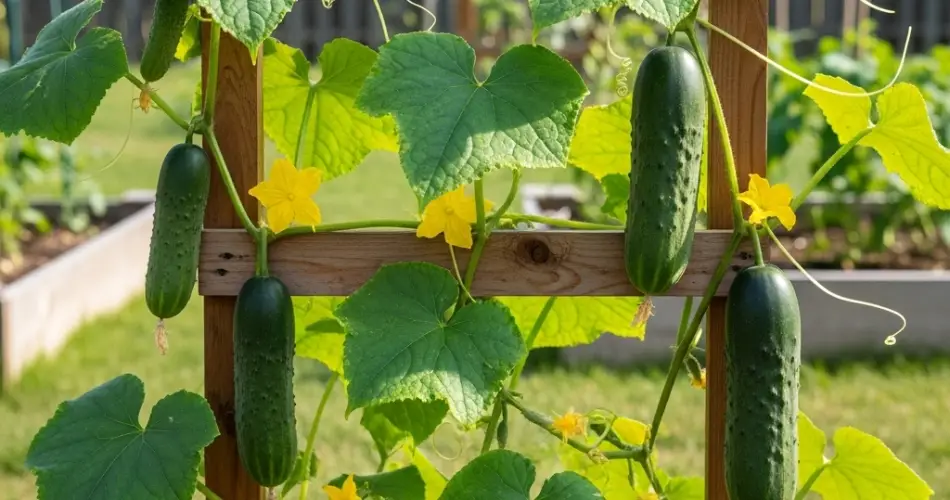
Cucumbers are a favorite among home gardeners for their refreshing taste, versatility in the kitchen, and quick-growing nature. While many people allow cucumber plants to sprawl across the ground, training them upward on rustic wooden frames offers both practical and aesthetic benefits. Not only does vertical growth save valuable garden space, but it also creates a charming, old-world feel in your outdoor area. With the right setup, cucumbers thrive when encouraged to climb, producing healthier vines and more abundant harvests.
Why Use Rustic Wooden Frames?
Wooden frames bring a natural and timeless beauty to the garden. Unlike metal or plastic structures, wood blends harmoniously with plants, creating a rustic, cottage-style atmosphere. Beyond aesthetics, wooden frames are functional, strong, and relatively easy to build or customize to suit your space.
Rustic wooden frames provide:
-
Support for vigorous growth: Cucumber vines grow rapidly and can reach six to eight feet. A sturdy frame ensures they have something reliable to climb
-
Improved air circulation: Elevating the vines reduces the risk of mildew and fungal diseases.
-
Cleaner, straighter fruit: Cucumbers that hang from a frame grow evenly without curling or rotting from ground contact
-
Space efficiency: Vertical gardening frees up soil for other crops while maximizing limited garden space
Choosing the Right Frame Design
Rustic wooden frames can take different forms depending on the size of your garden and your design preferences. Here are a few popular options:
-
-
A-Frame Trellis: Two panels joined at the top form a triangular shape. This classic design is sturdy and provides ample climbing space on both sides
-
Vertical Lattice or Fence Panel: Wooden lattice sheets fixed upright make attractive backdrops for cucumbers while doubling as garden dividers.
-
-
Lean-To Frame: A slanted frame that rests against a wall or another structure. This option saves space and adds decorative appeal.
-
Simple Stakes with Crossbars: An easy DIY option where wooden stakes are driven into the ground and connected with horizontal slats or twine
When building a frame, choose durable woods such as cedar, oak, or treated pine. These resist weather damage and insects better than softer woods.
Planting Cucumbers for Trellising
Cucumbers prefer warm weather, so plant them after the last frost when soil temperatures are consistently above 65°F (18°C). They grow best in fertile, well-draining soil enriched with compost. Space plants about 12 inches apart at the base of the frame to give each vine plenty of room to climb
Both bush and vining cucumber varieties exist, but vining types are the best candidates for rustic wooden frames. Varieties like Marketmore 76, Straight Eight, or Armenian cucumbers thrive when trained vertically.
Training Cucumbers to Climb
Once seedlings begin sending out tendrils, gently guide them toward the wooden frame. Secure them loosely with soft ties, garden clips, or twine until they latch on naturally. Check regularly and redirect wandering vines back to the frame to maintain order.
Cucumbers are fast growers, and with consistent guidance, they will quickly cover the trellis. Regular pruning of side shoots can help keep growth manageable and encourage better airflow around the plant.
Caring for Vertical Cucumber Plants
Cucumbers grown on rustic wooden frames need the same basic care as those on the ground, but trellised plants often perform better due to improved conditions. Here are some key tips:
-
-
Watering: Cucumbers require consistent moisture. Water deeply at the base of the plants rather than overhead to avoid wetting the leaves. Mulching around the roots helps retain soil moisture
-
-
-
Fertilizing: A balanced fertilizer or compost tea applied every 3–4 weeks supports steady growth and fruiting.
-
Pest Control: Keep an eye out for cucumber beetles and aphids. Trellised plants are easier to inspect and treat compared to ground-level vines
-
Harvesting: Pick cucumbers when they are firm, evenly colored, and reach their ideal size. Harvesting regularly encourages continuous production.
-
Aesthetic and Functional Benefits
Rustic wooden frames do more than just support cucumbers—they add character to the garden. A trellis draped with green vines and dangling cucumbers creates a picturesque scene reminiscent of traditional farm gardens. Frames can also be positioned to provide partial shade for other crops, such as lettuce or herbs, planted beneath them.
Additionally, wooden frames can be reused year after year with minimal maintenance. At the end of the season, simply remove old vines, clean the wood, and check for any repairs needed. With proper care, a good-quality frame can last many seasons.
Conclusion
Growing cucumbers up rustic wooden frames combines practicality with timeless charm. The frames not only support vigorous vines but also enhance the beauty of the garden, creating a space that is both productive and inviting. By choosing sturdy materials, planting wisely, and training vines carefully, you’ll enjoy abundant harvests of fresh cucumbers while adding a touch of rustic elegance to your outdoor space
With this simple yet effective method, even small gardens can produce bountiful crops while maintaining a classic, handcrafted look that makes the gardening experience all the more rewarding.