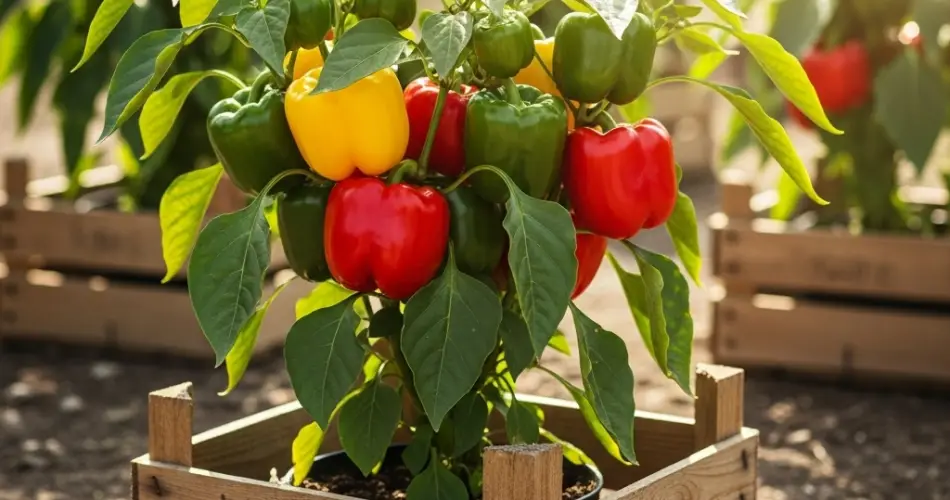
Peppers are a perfect crop for balcony gardening—compact, colorful, and incredibly rewarding. Whether you’re growing sweet bell peppers or fiery chilies, cultivating them in crates on your balcony can turn even the smallest urban space into a thriving edible garden. The crate method not only saves space but also offers excellent drainage and flexibility for relocating your plants based on sun exposure.
In this guide, you’ll learn how to grow healthy, productive pepper plants in wooden or plastic crates, right from planting to harvest.
Why Crate Gardening Works for Peppers
Crates offer several benefits for growing peppers on balconies:
-
Mobility: You can easily move the crate to follow the sun or protect plants from heavy rain
-
Airflow: Slatted wooden crates allow better root aeration and reduce the risk of rot.
-
Drainage: Containers with built-in drainage help prevent waterlogged soil—a major concern for peppers.
-
Root depth: Peppers thrive in containers that are at least 25–30 cm deep, making crates a suitable option
Plus, crates look rustic and charming, blending beautifully with urban and minimalist aesthetics alike.
Choosing the Right Pepper Varieties
Not all pepper varieties are ideal for container gardening. Compact and dwarf varieties do especially well in confined spaces. Some recommended options include
-
Bell peppers (‘Mini Bell’ or ‘California Wonder’)
-
Hot peppers (Cayenne, Thai chilies, or Jalapeños)
-
Sweet peppers (‘Lunchbox’ or ‘Sweet Banana’)
-
Ornamental varieties that are both edible and decorative
Choose seeds or seedlings from a reputable source to ensure strong, disease-resistant plants.
Materials You’ll Need
To set up your crate pepper garden, gather the following
-
-
A wooden or plastic crate (25–30 cm deep)
-
Landscape fabric or burlap (for lining, if needed)
-
High-quality potting mix (rich in organic matter)
-
Compost or aged manure
-
Pepper seedlings or seeds
-
A sunny balcony spot (6–8 hours of direct sun per day)
-
Watering can or hose with gentle spray nozzle
-
Optional: bamboo stakes or small tomato cages for suppor
-
Preparing Your Crate Garden
-
-
Line the crate: If using a slatted wooden crate, line the inside with landscape fabric to hold the soil in place while still allowing drainage.
-
Fill with soil: Mix equal parts potting mix and compost to create a rich, well-draining medium. Fill the crate nearly to the top, leaving about 2–3 cm of space
-
Planting: If planting from seed, sow 2–3 seeds per planting site, about 1 cm deep. If using seedlings, dig a hole just deep enough to accommodate the root ball and plant carefully, spacing 20–25 cm apart.
-
-
Water thoroughly: After planting, water until the soil is evenly moist but not soaked.
Place the crate in a sunny location—south-facing balconies work best. Peppers need warmth and light to produce fruit
Watering and Feeding
Peppers like consistent moisture but dislike soggy soil. Stick your finger into the soil to check moisture daily. If the top 2–3 cm feels dry, it’s time to water.
Feeding tips:
-
-
Apply a balanced organic fertilizer or compost tea every 2–3 weeks.
-
-
Once the plant begins flowering, switch to a low-nitrogen fertilizer to encourage fruiting over foliage.
Supporting Your Pepper Plants
As peppers mature, their stems may become top-heavy with fruits. Add bamboo sticks or mini cages early to avoid disturbing the roots later on. Tie the plant loosely with twine to provide stability
Regularly pinch off any suckers (small shoots that form in branch junctions) to direct the plant’s energy into growing larger fruits.
Dealing with Common Pests
Even on balconies, pests can find your plants. Keep an eye out for:
-
-
Aphids: Spray with a mild soapy water solution or neem oil
-
Spider mites: These thrive in dry conditions; mist plants occasionally or use insecticidal soap.
-
-
Whiteflies or fungus gnats: Allow the topsoil to dry slightly between watering to discourage them.
Encourage natural predators like ladybugs if you’re gardening near greenery.
Harvesting Your Balcony Peppers
Depending on the variety, peppers take anywhere from 60 to 90 days to mature. You can harvest when they are green, or leave them to ripen into red, orange, or yellow hues for sweeter flavors and higher vitamin content.
Use clean scissors or pruning shears to snip the peppers from the plant, leaving a small portion of the stem attached. Avoid pulling to prevent damaging the branches.
Tips for Continued Harvest
-
-
Keep picking: Regular harvesting encourages more fruit production.
-
-
Watch the weather: If cooler temperatures are coming, harvest the remaining peppers before frost sets in.
-
Overwintering: In warm climates, you can cut back the plant after harvest and overwinter it in a sheltered spot
Final Thoughts
Growing peppers in crates on your balcony is not only space-efficient but also highly rewarding. These vibrant plants can produce a steady supply of fresh, flavorful fruits for your kitchen, all while adding visual appeal to your outdoor area. With just a bit of care and regular attention, your crate-grown pepper garden can provide months of culinary delight—from crisp salads to spicy salsas—right from your urban oasis.