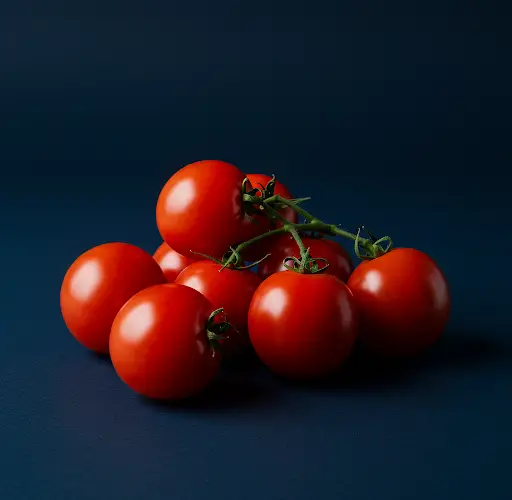
Black Tomatoes and Grape Tomatoes: Easy, Abundant, and Perfect for Home Growing
Tomatoes are a favorite crop for home gardeners due to their versatility, vibrant colors, and rich flavors. Among the many tomato varieties available, black tomatoes and grape tomatoes stand out for their exceptional taste, eye-catching appearance, and surprisingly simple growing process. Whether you’re working with a small balcony, patio, or backyard, these unique tomato types are easy to grow and can produce generous harvests with minimal space and effort.
This article will guide you through the process of growing both black and grape tomatoes at home—from selecting the right containers to harvesting flavorful fruits for your table.
Why Choose Black and Grape Tomatoes?
Both black and grape tomatoes have gained popularity for their unique flavor profiles and impressive yields:
-
Black tomatoes, also known as heirloom or purple tomatoes, have a rich, earthy, almost smoky flavor. Their dark skin makes them visually striking in salads and dishes.
-
Grape tomatoes are smaller, bite-sized, and incredibly sweet—perfect for snacking or tossing into salads. They grow in clusters and are known for their prolific production.
These varieties are not only delicious but also relatively easy to cultivate, making them ideal for beginners and experienced gardeners alike.
Materials Needed for Growing at Home
You don’t need a full garden to grow these tomatoes. Here’s what you’ll need:
-
-
Tomato seedlings or seeds (black or grape varieties)
-
Large containers or pots (at least 5 gallons for each plant)
-
Rich potting soil with good drainage
-
Stakes or tomato cages for support
-
Fertilizer (organic or tomato-specific)
-
A sunny location (at least 6–8 hours of sunlight per day)
-
-
Watering can or hose
Step-by-Step Guide to Growing Tomatoes at Home
1. Choose the Right Variety
Decide whether you want to grow black tomatoes, grape tomatoes, or both. Look for high-quality seeds or healthy seedlings from a reliable source. Popular black varieties include ‘Black Krim’, ‘Cherokee Purple’, and ‘Indigo Rose’. For grape tomatoes, look for ‘Red Grape’, ‘Yellow Pear’, or ‘Chocolate Grape’ for something more unique.
2. Prepare Containers or Beds
Tomatoes need space for their roots to thrive. Use large containers with drainage holes, or plant them in raised beds if you have the room. Fill them with a nutrient-rich potting mix and compost.
If growing in containers, select a pot at least 12 inches deep and wide. This ensures the plant has enough soil volume to retain moisture and nutrients.
3. Planting
If starting from seed, sow them indoors 6–8 weeks before the last frost. Once the seedlings are 4–6 inches tall and have developed several leaves, they’re ready to be transplanted outdoors or into larger pots.
When planting, bury the stem deeper than the root ball—up to the first set of true leaves. This encourages the development of additional roots and results in a stronger plant.
Caring for Your Tomato Plants
1. Sunlight
Tomatoes love the sun. Place them in a location that receives at least 6–8 hours of direct sunlight daily. Without enough light, plants will grow leggy and produce fewer fruits.
2. Watering
Keep the soil consistently moist but not waterlogged. Water deeply at the base of the plant, preferably in the morning. Avoid getting the leaves wet, as this can encourage disease.
During hot weather, container-grown tomatoes may need daily watering.
3. Support Structures
As your tomato plants grow, they’ll need support to stay upright and hold the weight of the fruits. Install stakes or cages shortly after transplanting. Grape tomatoes especially benefit from vertical growth to prevent overcrowding and improve airflow.
4. Fertilizing
Feed your plants every 2–3 weeks with a balanced fertilizer or one designed specifically for tomatoes. Avoid over-fertilizing with nitrogen, as this can lead to excessive foliage growth with fewer fruits.
Pest and Disease Management
Tomatoes can be affected by pests like aphids, whiteflies, and tomato hornworms. Regularly inspect the leaves and remove pests manually or use natural insect repellents like neem oil.
To prevent fungal diseases, ensure proper spacing, avoid overhead watering, and prune any lower leaves that touch the soil.
Harvesting Your Tomatoes
Grape tomatoes typically mature in about 60–70 days after transplanting, while black tomato varieties may take slightly longer (70–85 days depending on the type). You’ll know they’re ready to harvest when
-
Grape tomatoes turn a deep red, yellow, or chocolate color (depending on the variety) and feel firm but slightly soft to the touch.
-
Black tomatoes develop their signature dark-purple or brownish skin with a slight give when gently squeezed
Harvest regularly to encourage continued fruit production throughout the season.
Final Tips
-
-
Prune suckers (the small shoots that grow between the main stem and branches) to improve airflow and direct energy into fruit production
-
Rotate crops each season to prevent soil-borne diseases if you’re planting in the ground
-
-
Save seeds from heirloom varieties like black tomatoes for future planting.
Conclusion
Growing black and grape tomatoes at home is a satisfying and simple gardening project that rewards you with delicious, nutritious fruits throughout the season. With just a bit of care and attention, you’ll enjoy vibrant clusters of tomatoes right from your balcony or backyard. Whether you prefer the bold, smoky taste of black tomatoes or the sweet pop of grape tomatoes, these varieties are sure to impress—and keep your kitchen stocked with homegrown goodness.