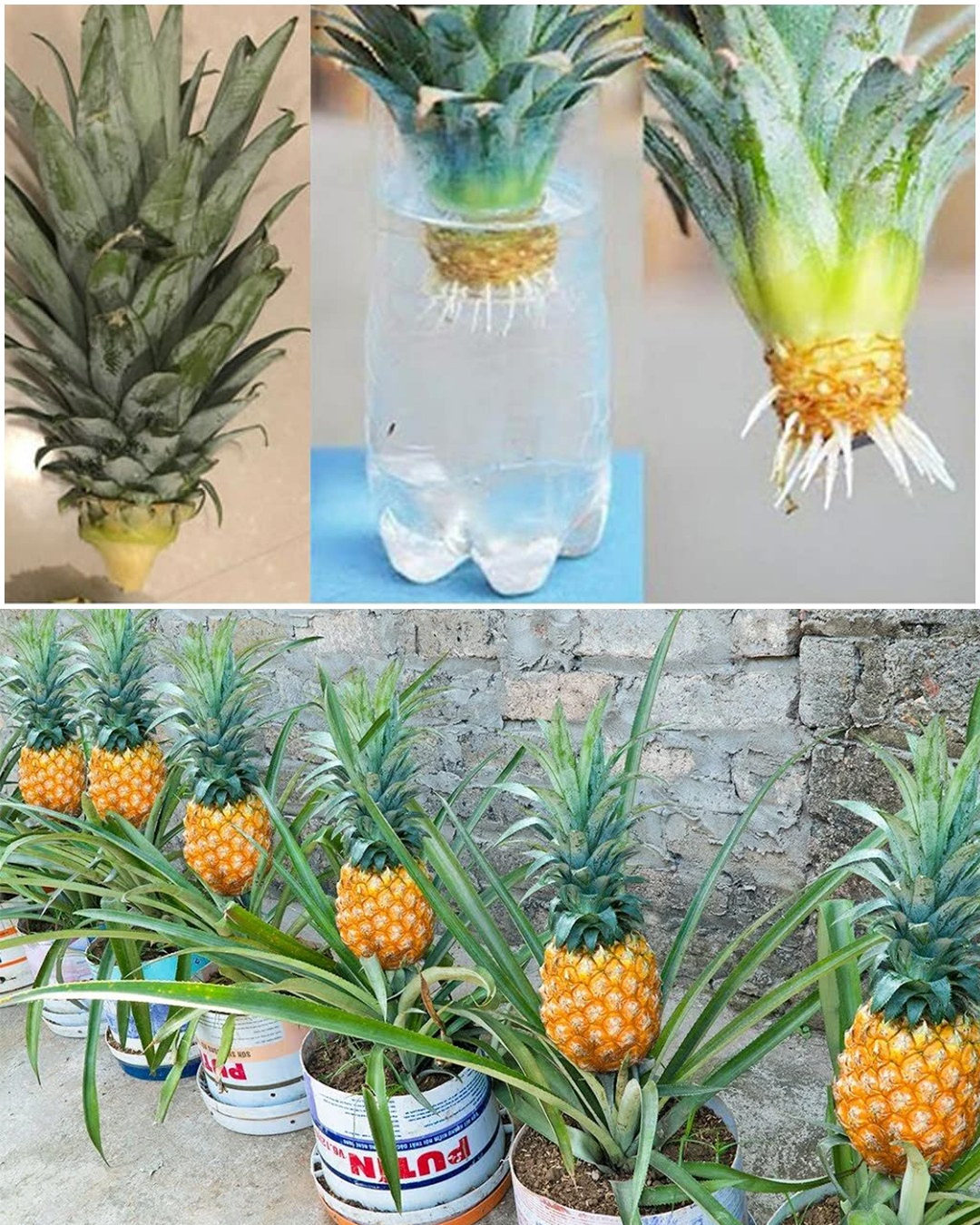
Growing your own pineapple plant at home is a fun, rewarding, and surprisingly simple gardening project. Whether you live in a tropical region or just have a sunny windowsill, a pineapple plant can add a touch of the exotic to your home while offering both decorative and practical benefits. Plus, the process of growing one from a pineapple crown is easy enough for even beginner gardeners.
The Benefits of Growing a Pineapple Plant at Home
1. Aesthetic Appeal
Pineapple plants have long, arching leaves that form an attractive rosette shape, making them a striking ornamental addition to any indoor or outdoor garden. Their lush green foliage and tropical look can brighten up patios, balconies, or living spaces.
2. Air Purification
Like many indoor plants, pineapples help purify the air by removing toxins and releasing oxygen. They’re also one of the few plants known to release oxygen at night, making them a good choice for bedrooms.
3. Low Maintenance
Pineapple plants are hardy and require minimal care. Once established, they need little more than sunlight, moderate watering, and occasional fertilization. They thrive in warm, dry environments—perfect for busy people or beginner gardeners.
4. Educational and Fun
Growing a pineapple plant is a great educational activity for children and families. Watching a plant grow from a simple fruit top into a mature plant capable of producing its own pineapple can be a fascinating learning experience about plant biology and patience.
5. Potential Fruit Production
Although it takes time—typically around 18 to 24 months—a homegrown pineapple can eventually produce fruit. The taste of a freshly harvested pineapple is incomparable, often sweeter and juicier than store-bought ones.
How to Grow a Pineapple Plant from a Crown
Step 1: Choose a Healthy Pineapple
Start with a fresh, ripe pineapple from the store. Look for one with healthy, green leaves and no signs of rot or mold. The leaves should be firm and vibrant, not brown or wilted.
Step 2: Remove the Crown
Grasp the crown (the leafy top) firmly and twist it off the fruit. Alternatively, you can cut it off about an inch below the leaves. Remove any remaining fruit flesh from the base of the crown to prevent rotting.
Step 3: Prepare the Crown for Planting
Peel away a few of the lower leaves to expose about an inch of the stem. You’ll often see small root buds near the base—these will help the plant establish itself. Let the crown dry for 1–2 days to heal and prevent rot when planted.
Step 4: Rooting the Crown
Place the crown in a glass of water so the bottom just touches the surface. Keep it in a sunny spot and change the water every few days. Within two to three weeks, roots should begin to form.
(Alternatively, you can plant the dried crown directly into soil, but rooting in water lets you easily monitor progress.)
Step 5: Planting
Once the roots are about two inches long, plant the crown in a pot with well-draining soil—preferably a cactus or succulent mix. Make sure the soil stays slightly moist but not soggy.
Step 6: Care and Maintenance
Light: Pineapple plants need plenty of sunlight, ideally 6–8 hours a day.
Water: Water sparingly, allowing the top inch of soil to dry out between waterings.
Fertilizer: Use a balanced liquid fertilizer once a month during the growing season.
Temperature: Keep the plant in a warm environment (above 60°F / 16°C).
Over time, the plant will grow larger, and after a year or two, it may start to produce a flower, followed by a small pineapple.
Conclusion
Growing a pineapple plant at home offers a beautiful, sustainable, and rewarding way to connect with nature. With minimal care, you can transform a simple fruit top into a vibrant tropical centerpiece—and perhaps even enjoy your very own homegrown pineapple one day.