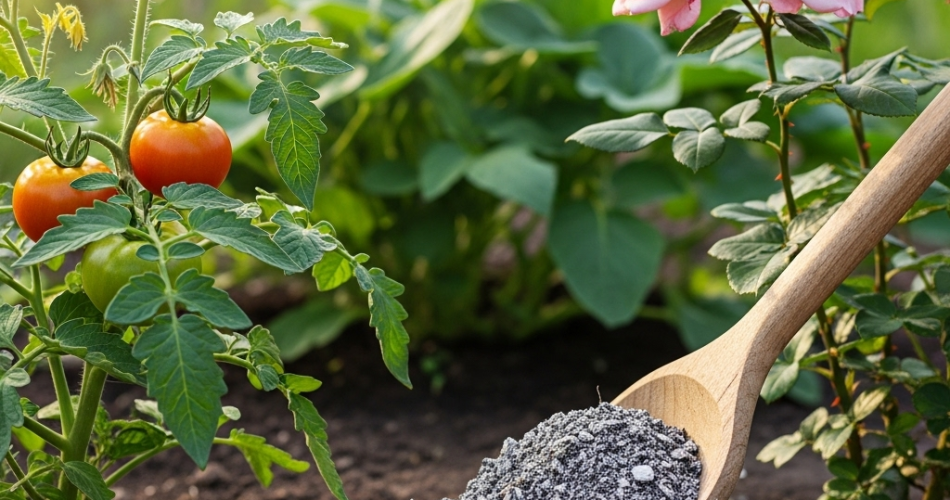
Wood ash, the powdery residue left after burning untreated wood, is more than just waste from your fireplace or fire pit—it’s a nutrient-rich amendment that can benefit your garden in numerous ways. With its high potassium content and a range of trace minerals, wood ash can improve soil fertility, balance pH, and promote healthier growth in a variety of plants. When used correctly, it can support the development of strong stems, vibrant flowers, and delicious fruits, especially in favorites like tomatoes and roses.
Here’s how to safely and effectively use wood ash in your garden to nourish your plants and get the most out of this natural resource.
What’s in Wood Ash?
Wood ash contains several essential nutrients that are valuable for plant health:
-
Potassium (K): Crucial for fruiting and flowering, potassium helps with overall plant vigor and disease resistance.
-
Calcium: Strengthens cell walls and prevents issues like blossom end rot in tomatoes.
-
Phosphorus: Encourages strong root systems and flower development.
-
Magnesium and other trace elements: Support photosynthesis and general plant metabolism.
In addition, wood ash is alkaline, meaning it can help raise soil pH in overly acidic soils. This makes it especially helpful in areas where the soil tends to be too acidic for optimal plant growth.
Best Plants for Wood Ash Use
Not all plants react the same way to wood ash. The key is to use it with crops and flowers that appreciate neutral to slightly alkaline conditions.
Ideal candidates include:
-
-
Tomatoes: Benefit from the potassium and calcium content, which support fruit production and help prevent blossom end rot.
-
Roses: Wood ash encourages beautiful blooms and enhances the color and strength of rose bushes.
-
Garlic and onions: Thrive in soils enriched with potassium and sulfur.
-
-
Carrots, beets, and parsnips: Enjoy improved root growth when soil pH is balanced.
-
Brassicas (broccoli, cabbage, cauliflower): Prefer less acidic soils and appreciate the potassium in wood ash.
Avoid using wood ash around acid-loving plants like blueberries, rhododendrons, and azaleas, which require low pH soil conditions.
How to Apply Wood Ash to Your Garden
1. Soil Amendment
Sprinkle wood ash lightly over your garden beds and mix it into the top few inches of soil. A general guideline is about 1 cup of ash per square yard of soil. It’s best to apply it during the fall or early spring, before planting, to give the nutrients time to settle and avoid overwhelming young seedlings.
2. Compost Booster
Wood ash can be added to your compost pile in small amounts to help balance acidity and add minerals. Avoid dumping large quantities all at once—sprinkle a thin layer and mix well. Too much ash can make the compost too alkaline and disrupt microbial activity.
3. Side Dressing
For established plants like tomatoes and roses, apply a small amount (about a tablespoon) of ash around the base of each plant. Water it in well so the nutrients can move into the root zone. Do this no more than once every four to six weeks during the growing season.
4. Pest Control
Sprinkling wood ash around the base of plants can deter soft-bodied pests like slugs and snails. However, rain or watering will wash it away, so reapply after heavy moisture.
Tips for Safe and Effective Use
-
-
Use untreated, natural wood ash only: Ash from painted, pressure-treated, or chemically-treated wood contains toxins that can harm plants.
-
Test your soil pH first: If your soil is already alkaline (above pH 7), adding wood ash can cause nutrient lockout. Use it only if your soil is on the acidic side.
-
Store ash properly: Keep it in a dry, covered container until you’re ready to use it. Moisture can reduce its effectiveness.
-
-
Don’t overdo it: Too much wood ash can raise soil pH too quickly and harm beneficial soil organisms. A little goes a long way.
-
Avoid applying with nitrogen fertilizers: Mixing ash with nitrogen-rich fertilizers like urea or ammonium sulfate can release ammonia gas, which is harmful to plants.
How Much is Too Much?
In general, don’t apply more than 20 pounds of ash per 1,000 square feet of garden per year. Spread applications out to prevent soil imbalances. If you use wood ash regularly, monitor your soil’s pH every season to ensure it stays in the ideal range for your crops.
Final Thoughts
Wood ash is a natural, free resource that can be a valuable addition to your gardening routine when used correctly. Rich in potassium and other beneficial minerals, it supports flowering and fruiting in garden favorites like tomatoes and roses. By applying it sparingly and wisely, you can improve soil health, manage acidity, and help your plants grow strong and productive—all without synthetic chemicals. With a little knowledge and care, that ash from your fireplace can be transformed into garden gold.