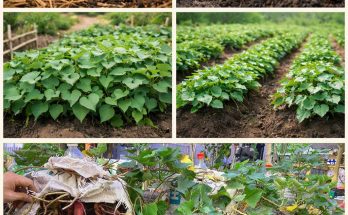
Broccoli is one of the most nutritious and versatile vegetables you can grow at home. Packed with vitamins, minerals, and antioxidants, it’s a kitchen staple that works well in soups, stir-fries, salads, and roasted dishes. While many gardeners believe broccoli requires large garden beds, it actually thrives in crate planters when given the right care. Growing broccoli in wooden crates allows even small-space gardeners to enjoy fresh, homegrown florets. But success depends on one crucial factor: the soil mix.
Because broccoli is a cool-season crop and a heavy feeder, it needs soil that is both fertile and well-balanced to support strong growth and dense heads. Choosing and preparing the best soil mix ensures that your crate-grown broccoli will flourish.
Why Grow Broccoli in Crates?
Wooden crates provide a practical and sustainable way to grow broccoli in urban or limited spaces. They allow you to control soil conditions more effectively than planting in the ground. Some advantages include:
-
Soil control – You can design the perfect mix rather than relying on native soil.
-
Mobility – Crates can be moved to capture sunlight or sheltered during unexpected frosts.
-
Drainage – Properly prepared crates help prevent root rot.
-
Eco-friendly style – Reclaimed wood crates add rustic charm to patios and balconies.
For a crop like broccoli, which is sensitive to soil quality, crate gardening offers a reliable way to create optimal growing conditions.
What Broccoli Needs in Soil
Broccoli belongs to the brassica family, which includes cabbage, cauliflower, and kale. These crops all share a love for rich, well-draining soil. For crate-grown broccoli, the soil should have:
-
-
High fertility – Broccoli needs steady nutrients for lush foliage and head development.
-
Moisture retention with drainage – Soil should stay evenly moist but not waterlogged.
-
Balanced pH – A slightly acidic to neutral pH between 6.0 and 7.0 is ideal.
-
-
Good aeration – Loose soil prevents compaction and allows roots to expand.
-
Plenty of organic matter – Boosts microbial activity and long-term soil health.
The Best Soil Mix for Broccoli in Crates
To meet these needs, a balanced soil mix should combine fertility, aeration, and moisture control. A recommended blend is:
-
-
40% high-quality potting soil – Forms the base and ensures a lightweight structure.
-
30% compost or aged manure – Adds organic matter and a rich nutrient supply.
-
-
20% coarse sand or perlite – Prevents compaction and improves drainage.
-
10% coconut coir or peat moss – Retains moisture without creating soggy conditions.
Mix these ingredients thoroughly before filling the crate. For best results, enrich the blend with a handful of slow-release organic fertilizer to support early growth.
Preparing the Wooden Crate
A properly prepared crate will extend its life and help your broccoli thrive:
-
-
Choose the right size – Broccoli plants need room to grow. A crate at least 18–24 inches deep and wide can hold one or two plants comfortably.
-
Line the inside – Use burlap or landscape fabric to hold soil in place while allowing drainage.
-
Drill drainage holes – Ensure water can flow out easily.
-
-
Elevate the crate – Place it on blocks or bricks to reduce wood rot and improve airflow.
Maintaining Soil Fertility
Broccoli is a heavy feeder, meaning it quickly depletes soil nutrients. To maintain fertility:
-
-
Top-dress with compost every 4–6 weeks.
-
Use a balanced fertilizer (10-10-10 or 14-14-14) during early growth.
-
Switch to a phosphorus- and potassium-rich fertilizer when heads begin forming.
-
Incorporate organic amendments like bone meal, worm castings, or kelp meal for added minerals.
-
Regular replenishment ensures your crate soil stays fertile across the growing season.
Managing Soil Moisture
Broccoli prefers consistently moist soil but cannot tolerate soggy roots. In crate gardening, soil tends to dry out faster than in garden beds, so careful watering is essential:
-
-
Water deeply when the top inch of soil feels dry.
-
Avoid shallow watering, which weakens root development.
-
Apply mulch such as straw, shredded leaves, or grass clippings to conserve moisture.
-
This balance prevents stress and helps broccoli develop firm, compact heads.
Avoiding Common Soil Mistakes
Even with a good mix, broccoli can fail if mistakes are made. Avoid these pitfalls:
-
-
Using garden soil alone – Too dense for crates and prone to compaction.
-
Skipping organic matter – Leads to poor growth and smaller heads.
-
-
Over-fertilizing with nitrogen – Causes leafy plants with small or delayed heads.
-
Neglecting pH balance – Alkaline soil reduces nutrient availability and stunts growth.
Regular testing and adjustments keep soil conditions optimal.
Final Thoughts
Growing broccoli in wooden crates is a practical and rewarding solution for small-space gardeners. The secret lies in preparing the best soil mix—one that combines fertility, aeration, and proper moisture retention. By creating a balanced blend, maintaining soil health, and avoiding common mistakes, you can harvest crisp, nutrient-rich broccoli right from your patio or balcony.
With the right soil beneath it, crate-grown broccoli not only thrives but also delivers fresh, homegrown goodness that elevates everyday meals. For urban gardeners seeking sustainability and productivity, wooden crates paired with a well-designed soil mix are the perfect recipe for success.