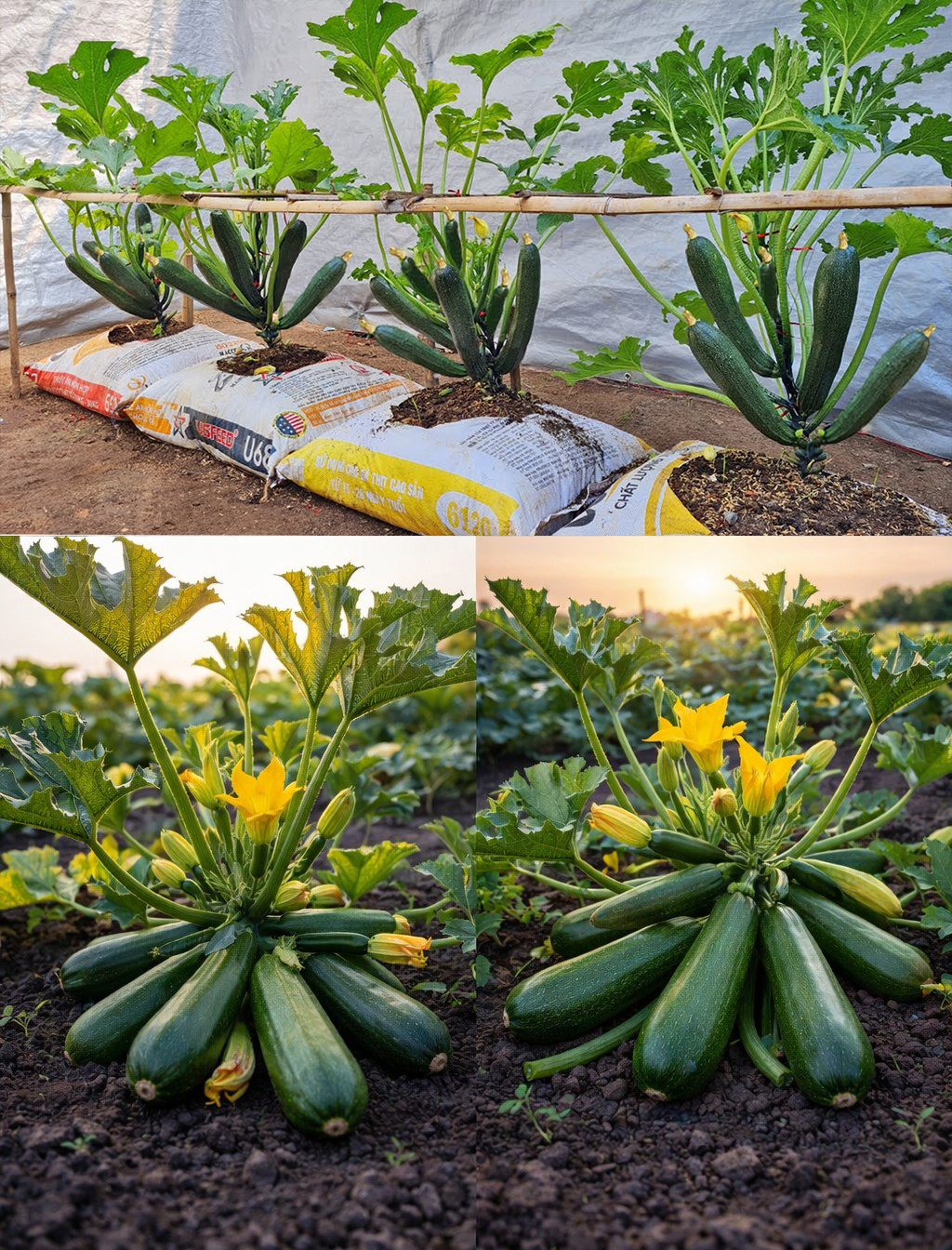
Why Soil Sacks Are Perfect for Growing Zucchini
Soil sacks, also known as grow bags or fabric pots, offer several advantages that contribute to a super-productive zucchini harvest:
1. Superior Root Aeration
- Traditional garden beds or pots often restrict airflow to the roots, leading to compacted soil and slower growth.
- Soil sacks allow for better oxygen circulation, promoting a strong and healthy root system.
2. Improved Drainage
- Overwatering is one of the biggest threats to zucchini plants, often causing root rot and fungal infections.
- Soil sacks drain excess water efficiently, preventing waterlogging and keeping roots dry and healthy.
3. Enhanced Root Pruning
- In plastic or clay pots, roots can become root-bound, circling around the container and limiting growth.
- In soil sacks, roots naturally air prune, meaning they stop growing when they reach the fabric, encouraging the plant to grow more feeder roots instead of tangling.
4. Better Temperature Control
- Soil sacks regulate soil temperature better than plastic pots, preventing overheating in summer and retaining warmth in cooler months.
- This promotes consistent plant growth and longer fruit production.
5. Easy Mobility and Space Efficiency
- You can move soil sacks to the best location for sunlight or to protect plants from harsh weather.
- Ideal for small gardens, balconies, patios, or urban gardening.
How to Grow Zucchini in Soil Sacks for Maximum Yield
1. Choosing the Right Soil Sack
- Use 10–15 gallon grow bags or large, breathable sacks for each zucchini plant.
- Ensure the sack is made of high-quality fabric that allows proper aeration and drainage.
2. Selecting the Best Soil Mix
- Use a well-draining mix of potting soil, compost, and perlite.
- A mix of 40% garden soil, 40% compost, and 20% perlite works best for zucchini.
- Add organic matter like worm castings or aged manure for additional nutrients.
3. Planting Zucchini in Soil Sacks
- Direct Sowing: Plant seeds 1 inch deep and space them 2 feet apart if using multiple sacks.
- Transplanting: If using seedlings, transplant when they have at least 2–3 true leaves.
- Place the sack in a location with at least 6–8 hours of direct sunlight daily.
4. Watering for Maximum Growth
- Keep the soil evenly moist but not soggy.
- Water early in the morning at the base of the plant to prevent fungal diseases.
- Avoid wetting the leaves to reduce the risk of powdery mildew.
5. Fertilizing for Bigger Harvests
- Before Flowering: Apply a balanced fertilizer (10-10-10) every 2 weeks.
- During Flowering and Fruiting: Switch to a fertilizer high in potassium and phosphorus (e.g., 5-10-10) to encourage fruiting.
- Use compost tea or fish emulsion as organic feeding options.
6. Supporting Your Zucchini Plants
- Use stakes or tomato cages to support large zucchini plants and prevent breakage.
- Trellising can also help save space and improve airflow around the plant.
7. Pest and Disease Management
- Aphids & Whiteflies: Spray neem oil or insecticidal soap.
- Squash Vine Borers: Wrap the base of the stem with aluminum foil or use floating row covers.
- Powdery Mildew: Ensure good airflow, avoid overhead watering, and treat with a baking soda spray.
8. Harvesting for Continuous Production
- Pick zucchini when they are 6–8 inches long for the best texture and flavor.
- Frequent harvesting encourages more flowers and fruits.
- Use a sharp knife or scissors to avoid damaging the plant.
Final Thoughts
Growing zucchini in soil sacks is a game-changer for home gardeners. With better drainage, root health, and airflow, this method leads to super productive plants that yield more fruits. Whether you have a small backyard, a patio, or just a balcony, this approach allows you to enjoy homegrown zucchini without the hassle of traditional gardening. Start using soil sacks today and watch your zucchini thrive like never before!