Growing parsley at home doesn’t require a sprawling garden or a greenhouse. In fact, this popular herb thrives in containers, making it an ideal choice for anyone living in a small apartment, condo, or urban setting. With the right setup and care, you can enjoy a steady supply of fresh parsley on your balcony, patio, or even a windowsill. Compact, fragrant, and flavorful, parsley adds a burst of green and a fresh taste to countless recipes—and it’s surprisingly simple to grow in containers.
Why Grow Parsley in Containers?
Parsley has shallow roots, which makes it perfect for container gardening. Pots and planters offer the benefit of controlled growing conditions, reducing problems with pests and weeds while also allowing you to move the plant around to chase the sun. If you’re short on outdoor space, growing parsley in containers is a smart way to maintain a kitchen herb garden within arm’s reach.
Whether you choose curly or flat-leaf (Italian) parsley, both types are well-suited to pot cultivation and can provide generous harvests when properly cared for.
What You’ll Need
To create a compact parsley garden in containers, gather the following items:
-
A pot or container with drainage holes (at least 6–8 inches deep
-
Lightweight, well-draining potting soil
-
Organic compost or slow-release fertilizer
-
Parsley seeds or seedlings
-
A small watering can or spray bottle
-
A sunny spot (windowsill, balcony, or patio)
Step-by-Step Growing Guide
1. Choose the Right Container
Select a container that is deep enough to support root development and has good drainage. Clay pots, plastic planters, recycled buckets, or even window boxes all work well. The container should be at least 6 inches deep and have holes at the bottom to prevent waterlogging.
2. Prepare the Soil
Parsley grows best in rich, slightly moist, and well-draining soil. Use a potting mix designed for vegetables or herbs. To boost growth, mix in some organic compost or a balanced, slow-release fertilizer before planting.
3. Sow Seeds or Transplant Seedlings
From Seeds: Soak parsley seeds in warm water overnight to improve germination. Then, plant them ¼ inch deep in the prepared soil. Keep the container in a warm, bright spot and water gently. Germination may take 2–4 weeks, so be patient and keep the soil consistently moist during this time.
From Seedlings: If starting with young plants, transplant them gently into the container. Space multiple seedlings about 4–6 inches apart if your pot is large enough to accommodate them.
4. Provide Proper Light
Parsley needs at least 5–6 hours of sunlight each day. A south-facing window, balcony railing, or sunny corner of your patio works well. If natural light is limited, especially in winter, you can supplement with a small grow light to keep your plants thriving indoors.
Ongoing Care and Maintenance
Watering
Parsley prefers evenly moist soil, but not soggy. Water when the top inch of soil feels dry. Be sure to allow excess water to drain out the bottom to prevent root rot
Feeding
Feed the plant monthly with a diluted liquid fertilizer or apply a small amount of organic compost every few weeks. Avoid overfeeding, as too much nitrogen can reduce the flavor of the leaves.
Pruning and Harvesting
Begin harvesting when the plant reaches 6 inches in height. Use scissors or your fingers to snip off the outer leaves first, cutting at the base of the stem. Always leave the inner shoots to continue growing.
Regular harvesting not only provides fresh herbs for your meals but also encourages new, healthy growth. If flowers begin to form, pinch them off to extend the harvest period and maintain leaf production.
Creative Container Ideas for Small Spaces
Even if space is tight, there are creative ways to fit a parsley container garden into your living area:
-
-
Window boxes: Attach to railings or ledges for maximum sun exposure
-
-
-
Vertical planters: Use wall-mounted or hanging planters to save floor space.
-
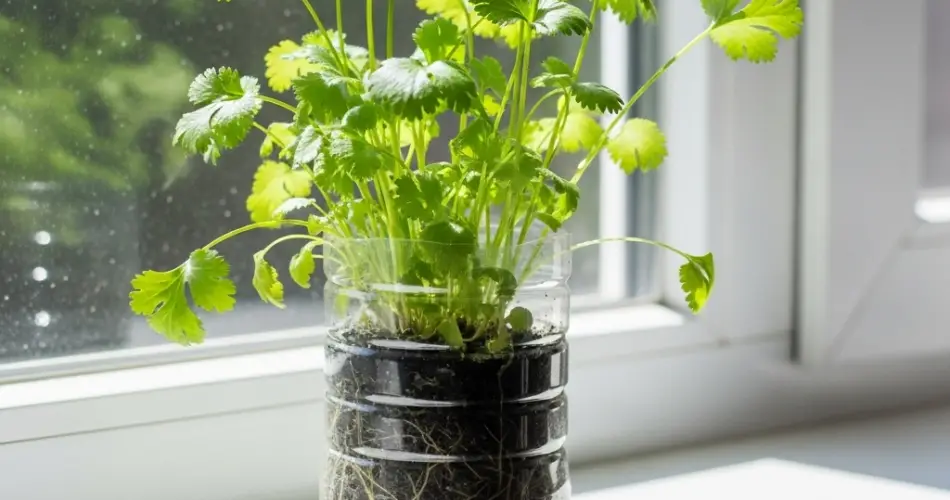
Repurposed containers: Reuse old buckets, bowls, or even plastic bottles as DIY pots
-
Tiered shelves: Stack containers on a shelf or rack to fit more plants in a small footprint
-
By thinking vertically or using repurposed items, you can turn even the smallest balcony or windowsill into a thriving herb garden.
Final Thoughts
Container gardening offers a practical and rewarding way to grow parsley in tight spaces. With just a few basic supplies and some sunlight, you can cultivate a steady supply of fresh herbs for cooking, garnishing, and more. Compact parsley gardens are easy to manage, ideal for beginners, and perfect for urban dwellers looking to add some greenery and flavor to their living space.
No matter how little room you have, parsley is a plant that will thrive with a bit of care and creativity—proving that delicious, homegrown herbs are within reach for everyone.