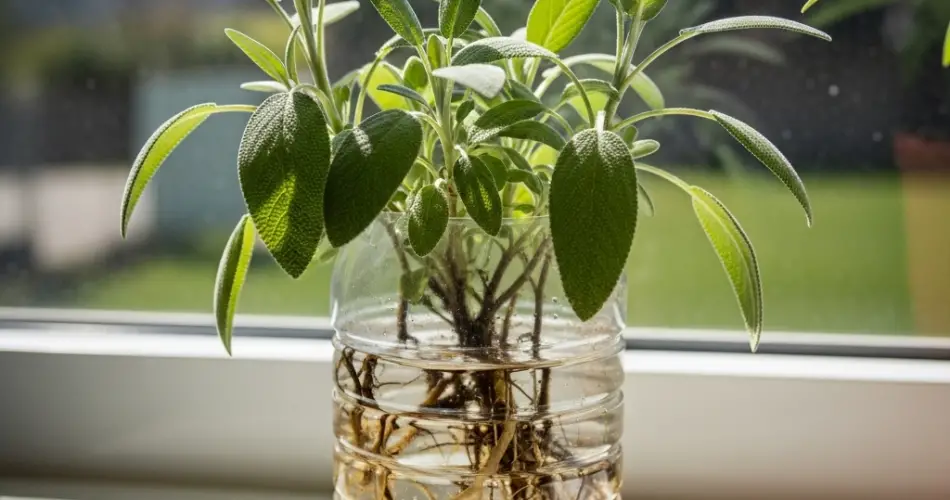
Bay laurel (Laurus nobilis), commonly known as bay leaf, is a versatile herb used in cooking for its aromatic leaves. While it naturally grows into a small tree or large shrub in Mediterranean climates, it’s also very well-suited for container cultivation. Growing bay laurel in pots allows home gardeners to enjoy fresh leaves year-round, even in small spaces like balconies, patios, or sunny windowsills.
This guide covers everything you need to know about successfully growing bay laurel in containers, including the right pot, soil, watering, pruning, and harvesting practices.
Why Grow Bay Laurel in a Container?
Bay laurel is slow-growing and thrives in confined spaces, making it ideal for container gardening. Growing it in a pot offers several advantages:
-
Mobility: You can move it indoors during cold winters.
-
Control: You manage the soil quality, drainage, and sun exposure.
-
Accessibility: It’s easy to harvest fresh leaves whenever needed.
Because bay laurel can live for decades, a well-maintained potted plant can be a long-term source of culinary flavor and even a decorative feature in your garden or home.
Choosing the Right Pot and Soil
Start with a container that is at least 12 to 18 inches in diameter and depth. A larger pot supports healthy root growth and helps prevent the plant from becoming root-bound too quickly. Ensure the pot has drainage holes to avoid waterlogged soil, which can cause root rot.
Bay laurel prefers well-draining, slightly acidic to neutral soil. A mix of standard potting soil combined with perlite or coarse sand works well. For best results, aim for a loamy texture that retains some moisture but drains excess water efficiently.
Light and Temperature Requirements
Bay laurel loves the sun. Place your container where it will receive at least 6 hours of direct sunlight daily. If growing indoors, a south-facing window is ideal. Outdoors, it does well on a sunny patio or balcony.
In warmer climates (zones 8–10), bay laurel can remain outside all year. However, if you live in an area with freezing winters, bring the plant indoors once temperatures drop below 40°F (4°C). It can overwinter indoors in a bright, cool room.
Watering and Fertilizing
Watering should be moderate. Bay laurel prefers evenly moist but not soggy soil. Let the top inch of soil dry out between waterings. Overwatering is a common issue, so always check moisture levels before adding more water.
Fertilize every 4 to 6 weeks during the growing season (spring through early fall) using a balanced liquid fertilizer diluted to half strength. In winter, reduce feeding or stop altogether, as growth naturally slows.
Pruning and Shaping
Bay laurel responds well to pruning, which helps keep it compact and encourages fuller growth. Prune in late spring or early summer by pinching off new tips or trimming leggy branches. You can shape it into a small topiary, standard tree form, or maintain a bushy appearance depending on your preference.
Pruning also improves air circulation around the plant, reducing the risk of fungal diseases, especially in humid conditions.
Harvesting Bay Leaves
You can start harvesting once your plant is well-established and has several mature leaves. Gently snip older leaves from the base of the stems. Fresh bay leaves are more pungent than dried ones, so use them sparingly in cooking.
To dry bay leaves for long-term storage, lay them flat in a warm, dry place out of direct sunlight. Once dried, store them in an airtight container.
Common Problems and Pests
Bay laurel is relatively low-maintenance, but a few issues may arise:
-
-
Yellowing Leaves: Often a sign of overwatering or poor drainage
-
-
Leaf Spots or Mold: Typically due to high humidity and poor air circulation. Improve airflow and avoid overhead watering.
-
Scale Insects or Aphids: These pests can infest bay leaves, especially indoors. Wipe leaves with a damp cloth or spray with insecticidal soap as needed.
Regular inspection and prompt treatment help keep your bay laurel healthy and pest-free.
Repotting Tips
Bay laurel is slow-growing, so you won’t need to repot frequently. However, check every 2 to 3 years to see if the plant has outgrown its pot. Signs include roots growing through drainage holes or stunted growth.
When repotting, move to a container 1 to 2 inches larger in diameter. Gently loosen the roots and refresh the soil mix before placing the plant in its new home.
Final Thoughts
Growing bay laurel in containers is a satisfying way to ensure a steady supply of fresh, flavorful leaves for your kitchen. With the right care and a sunny spot, this elegant herb can thrive for many years. Whether on a balcony, patio, or kitchen windowsill, a potted bay laurel adds both beauty and utility to your home gardening setup.