Fiddle Leaf Fig in Containers: Drainage, Soil & Light Tips
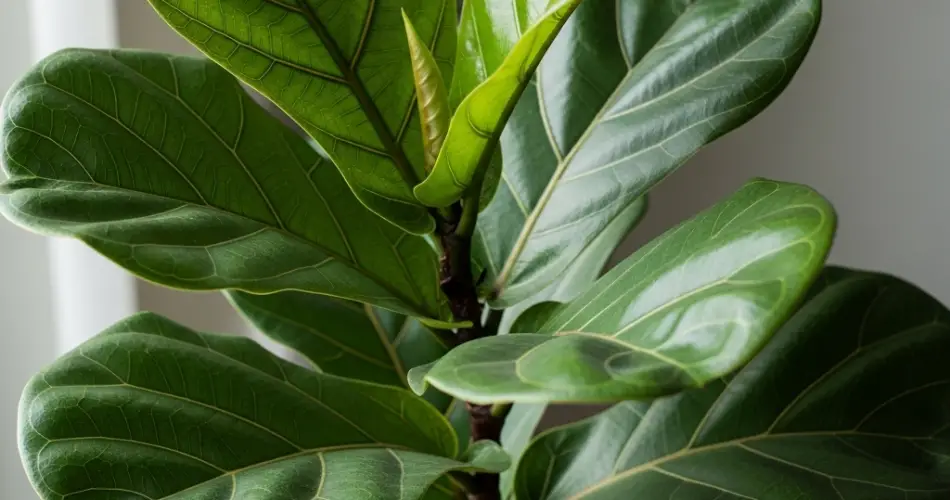
Fiddle leaf fig (Ficus lyrata) is one of the most iconic indoor plants, admired for its large, violin-shaped leaves and bold, architectural appearance. While this plant is often seen in design magazines and stylish interiors, keeping a fiddle leaf fig healthy in a container requires specific care—especially when it comes to drainage, soil, and light. When these three elements are well-balanced, your plant can thrive and become the dramatic centerpiece it’s meant to be.
If you’re growing your fiddle leaf fig in a pot, here’s how to get the soil, drainage, and lighting conditions just right.
Why Drainage Is the Starting Point
Fiddle leaf figs are prone to root rot, a condition that develops when roots sit in soggy soil for too long. The first step in avoiding this is choosing a container with proper drainage
Essential Drainage Features
-
-
Drainage holes: Your container must have at least one hole at the bottom to allow excess water to escape. Without this, water will collect at the base, potentially leading to fungal diseases and root rot.
-
Pot material: Clay or unglazed terracotta pots are ideal, as they allow moisture to evaporate through the sides, helping the soil dry out more evenly
-
Avoid pot sleeves without drainage: If you prefer decorative planters, use them as outer covers. Always place your plant in a functional inner pot with proper drainage.
-
It’s also a good idea to elevate the pot slightly off the ground using pot feet or a plant stand, allowing better airflow and drainage underneath.
The Right Soil for Fiddle Leaf Figs
In containers, the quality of the soil makes a huge difference. Fiddle leaf figs prefer a light, well-aerated soil mix that drains quickly but still retains enough moisture for root health.
Ideal Soil Characteristics
-
-
Well-draining: Look for potting mixes labeled for indoor tropical plants or make your own mix with 2 parts high-quality potting soil, 1 part perlite, and 1 part peat moss or coconut coir
-
Loose texture: Avoid compacted or clay-heavy mixes, as they retain too much water
-
-
Nutrient-rich: A small amount of compost or slow-release fertilizer added to the mix can support healthy growth over time.
Over time, potting mix can degrade or become compacted, so consider refreshing the top few inches of soil annually or repotting the entire plant every 2–3 years.
Light: The Lifeline of Fiddle Leaf Figs
Fiddle leaf figs are native to the bright, warm forests of West Africa. Indoors, they still crave similar light conditions.
Best Light Conditions
-
-
Bright, indirect sunlight: Place your fiddle leaf fig near a window that gets filtered sun. South- or east-facing windows are ideal
-
-
Avoid direct, harsh afternoon sun: This can scorch the leaves, especially if your plant isn’t acclimated to it.
-
Rotate your plant regularly: This encourages even growth and prevents it from leaning toward one side
If your plant isn’t getting enough light, you’ll notice slow growth, dropping leaves, or legginess. In low-light areas, consider using a full-spectrum grow light to supplement natural sunlight.
Signs Your Plant Isn’t Happy with Its Conditions
A fiddle leaf fig will tell you when it’s stressed. Here are a few clues and what they often indicate
-
Yellowing leaves: Could be a sign of overwatering or poor drainage.
-
Brown spots on leaves: May suggest root rot, usually from excess moisture or inadequate airflow in the soil
-
Drooping leaves: Often caused by either underwatering or overwatering.
-
Leaf drop: Common when light is insufficient or after a sudden change in conditions (such as moving the plant or repotting).
Keeping an eye on these symptoms helps you make timely adjustments before the plant declines further.
Extra Care Tips
-
-
Watering: Let the top inch or two of soil dry out before watering again. Stick your finger into the soil to check. Water thoroughly, allowing excess to drain out
-
Humidity: Fiddle leaf figs enjoy humidity, so occasional misting or placing a tray of water nearby can help in dry environments.
-
-
Cleaning leaves: Wipe the leaves gently with a damp cloth every few weeks to remove dust and help the plant photosynthesize efficiently.
Final Thoughts
Fiddle leaf figs may have a reputation for being temperamental, but with the right container setup—well-draining pots, airy soil, and bright indirect light—they can grow strong and stunning in your home. Understanding these basics of drainage, soil, and light will give you a healthy plant that looks just as impressive as the ones in magazines
With a bit of attention to its environment, your potted fiddle leaf fig can thrive for many years, adding a bold splash of greenery and style to any indoor space.