Grow a Stylish Fiddle Leaf Fig in Any Room with Pots
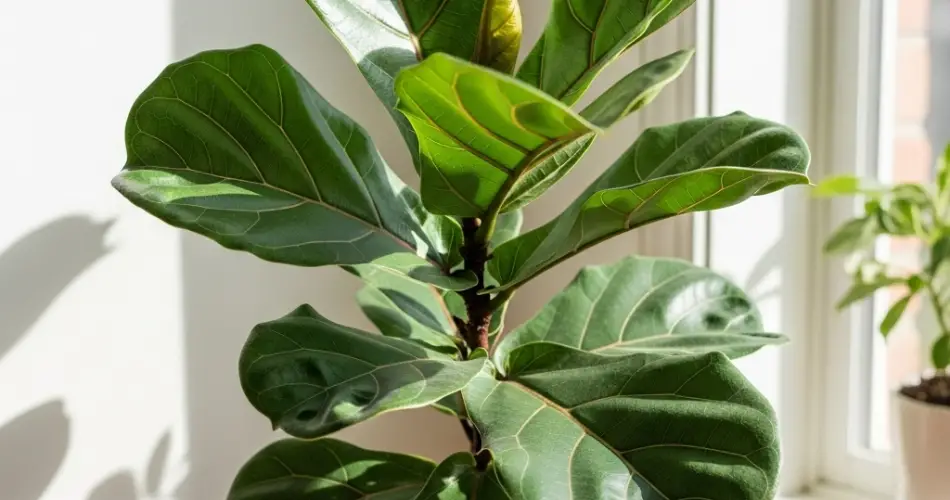
Fiddle leaf figs (Ficus lyrata) have become iconic houseplants in interior design, known for their tall, elegant appearance and large, glossy leaves. Whether you’re a beginner or an experienced plant parent, growing a fiddle leaf fig in a container is a great way to bring greenery and style into any space. With the right pot, soil, and care techniques, you can enjoy a thriving fiddle leaf fig that complements your home beautifully.
Here’s a complete guide to growing a healthy fiddle leaf fig in pots—perfect for living rooms, offices, or cozy corners.
Choosing the Right Pot
The first and most important step in container growing is selecting the right pot. Fiddle leaf figs don’t like soggy roots, so your pot must have drainage holes. Water that pools at the bottom can cause root rot and lead to yellowing leaves or stunted growth.
Best materials include:
-
Terra cotta or clay pots: These are breathable and allow excess moisture to evaporate.
-
Plastic or ceramic pots: These retain moisture longer, which can work well in dry indoor climates, as long as there are drainage holes
When it comes to size, avoid starting with a pot that’s too large. A container that’s only 2 to 4 inches larger than the root ball allows the soil to dry evenly and avoids overwatering issues. As the plant grows, you can repot into a slightly larger container every 1–2 years.
Ideal Soil for Fiddle Leaf Figs
Fiddle leaf figs thrive in well-draining, aerated soil. Avoid heavy or dense potting mixes that hold too much moisture. A high-quality indoor plant mix or cactus mix with added perlite or bark works well
You can also make your own blend using:
-
2 parts all-purpose potting soil
-
1 part perlite
-
1 part pine bark fines or coconut coir
This mixture ensures the soil retains just enough moisture while allowing proper airflow to the roots.
Light Requirements
One of the most important factors for fiddle leaf fig success is bright, indirect light. Place your potted fig near a large east- or south-facing window where it can receive filtered light for at least 6 hours a day
Avoid direct midday sun, which can scorch the leaves. On the other hand, insufficient light can cause leaves to drop. If natural light is limited, consider supplementing with a full-spectrum grow light.
Rotate the pot every few weeks to help the plant grow evenly and prevent it from leaning toward the light source.
Watering and Drainage
Fiddle leaf figs are sensitive to overwatering, so developing a solid watering routine is essential. Let the top 2–3 inches of soil dry out completely before watering again.
How to water:
-
Water thoroughly until it drains from the bottom.
-
Empty any excess water from the saucer.
-
Avoid letting the plant sit in standing water.
Depending on the season, watering frequency will vary:
-
In warmer months: every 7–10 days
-
In cooler months: every 2–3 weeks
Use your finger or a moisture meter to check soil moisture. Brown spots or dropping leaves often signal overwatering, while crispy edges may indicate underwatering
Maintaining Humidity and Temperature
Fiddle leaf figs prefer a humid environment, especially during the winter months when indoor air can get dry. To boost humidity:
-
-
Mist the leaves occasionally
-
Place a tray of pebbles with water under the pot
-
-
Use a room humidifier nearby
Keep your plant in a stable environment with temperatures between 60–75°F (15–24°C) and away from cold drafts, heaters, or air conditioners. Sudden temperature changes can stress the plant.
Fertilizing Your Plant
During the active growing season (spring to early fall), fertilize your fiddle leaf fig once a month with a balanced, water-soluble fertilizer diluted to half strength. This helps promote healthy foliage and steady growth. In winter, reduce or stop feeding as the plant’s growth slows down.
Pruning and Cleaning
Fiddle leaf figs benefit from occasional pruning:
-
-
Remove dead or damaged leaves
-
Prune to control height or shape
-
Cut just above a leaf node to encourage branchin
-
Wipe the large leaves regularly with a damp cloth to remove dust. Clean leaves not only look better but also allow the plant to photosynthesize more efficiently.
Repotting and Root Care
As your fiddle leaf fig grows, its roots will eventually outgrow the container. Signs it’s time to repot include:
-
Roots circling the pot or growing out of the drainage hole
-
Soil drying out too quickly
-
Slowed growth or wilting despite watering
When repotting, gently loosen the roots, trim any dead ones, and place the plant in fresh soil. Repot every 1–2 years for best results.
Final Thoughts
Growing a fiddle leaf fig in a pot can transform any room into a lush, stylish space. With the right container, soil, light, and care, this plant becomes a stunning focal point that’s relatively easy to maintain once you understand its preferences.
Whether it graces your reading nook, stands tall in your hallway, or brightens your workspace, a healthy potted fiddle leaf fig adds lasting charm and elegance to your indoor environment.