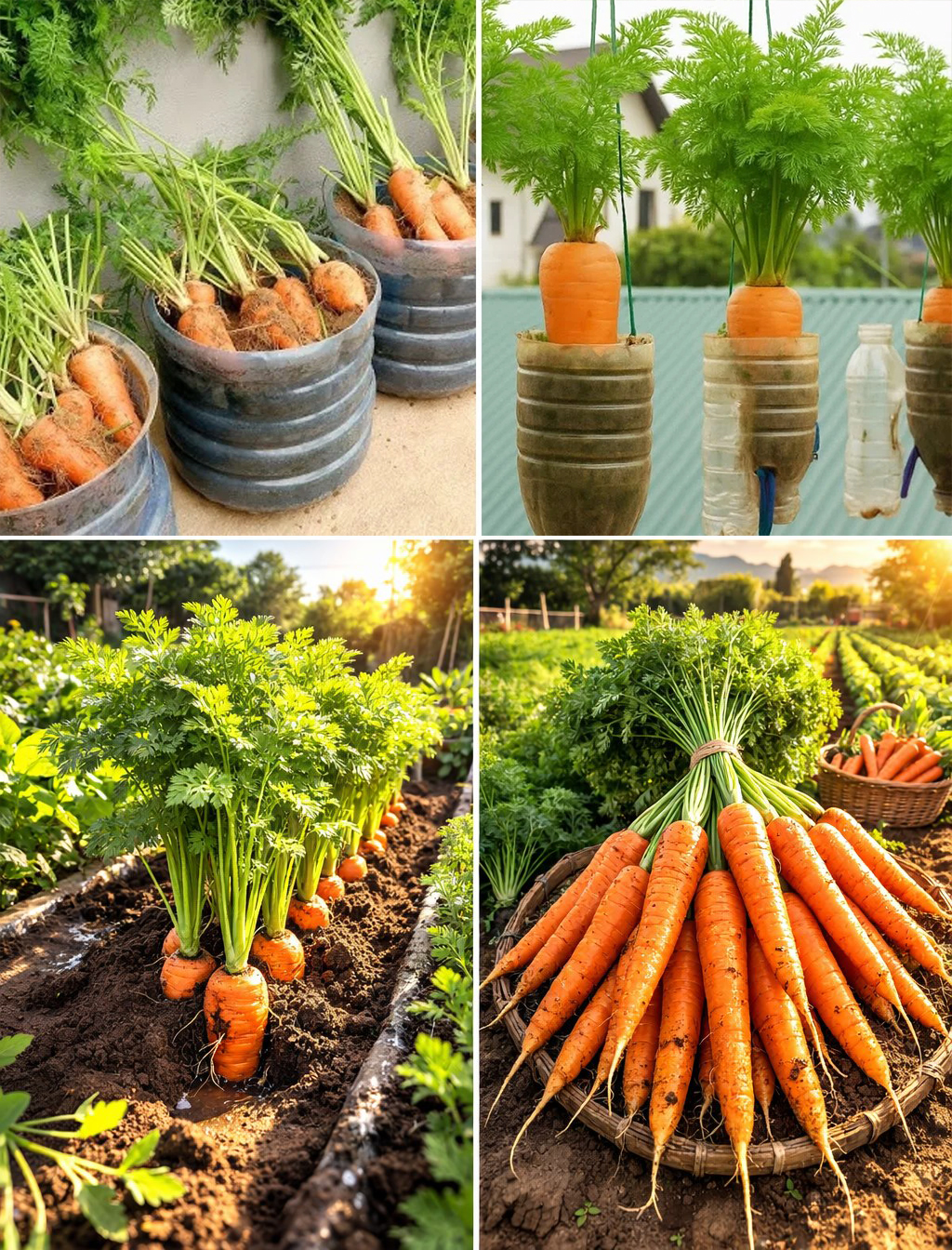
Carrots are one of the most rewarding vegetables to grow at home. They’re nutritious, versatile in cooking, and easy to grow, even if you have limited space. Growing carrots in bags, particularly fabric or plastic bags, offers a convenient way to grow a large number of tubers right in your own home or on a small patio. This method is not only space-efficient but also allows for better control over soil conditions, drainage, and root development.
In this article, we’ll provide tips for growing carrots in bags, helping you achieve a bountiful harvest even in a small space.
Why Grow Carrots in Bags?
Growing carrots in bags offers several advantages, especially for urban gardeners or those with limited garden space. Here are a few key benefits:
-
Space Efficiency: Bags take up less space than traditional garden beds and can be placed anywhere with access to sunlight. Whether on a balcony, rooftop, or patio, bags make it possible to grow carrots in confined areas.
-
Improved Drainage: Bags, especially fabric ones, allow for better drainage compared to traditional containers or soil beds. This is crucial for preventing waterlogging, which can damage carrot roots.
-
Better Root Growth: Carrots require loose, well-draining soil for optimal root development. Growing them in bags ensures that the soil remains light and well-aerated, providing the perfect environment for carrot tubers to grow.
-
Less Weeding: Growing in bags reduces the amount of weeding required compared to traditional soil beds. This can save time and effort while ensuring your carrots grow without competition from weeds.
Choosing the Right Bag
The first step to successfully growing carrots in bags is selecting the right bag. The best bags for growing carrots are those made of breathable material like fabric or cloth, although you can also use sturdy plastic bags. Here’s what to consider:
-
Size: Choose a bag that is at least 12 inches deep to allow carrots to grow to a good size. Carrots require depth to form their long roots, so a shallow bag will limit their growth. Ideally, choose a bag that is about 12 to 18 inches deep and 12 inches wide.
-
Material: Fabric bags are highly recommended because they offer excellent drainage and help prevent the roots from becoming waterlogged. They also allow the soil to breathe, which encourages healthy root development. Plastic bags or containers can also work, but they need proper drainage holes.
-
Drainage: Ensure the bag has adequate drainage holes. If you’re using a plastic bag, make sure to punch holes in the bottom to allow excess water to escape. Without good drainage, the soil may become too soggy, leading to root rot.
Preparing the Soil
Carrots require loose, sandy soil that is free from stones or compacted areas. When growing carrots in bags, use a high-quality potting mix or make your own by combining equal parts of compost, peat moss, and sand. This will create the ideal soil environment for root development.
-
Avoid Heavy Soil: Carrots do not grow well in heavy, clay-like soil. It’s crucial to ensure that the soil in your bag is light and well-draining. Avoid using garden soil that may contain heavy clumps or rocks, as they can hinder root expansion.
-
Add Organic Matter: Mix in some compost or organic matter to enrich the soil and improve its fertility. This will provide the necessary nutrients for your carrots to grow strong and healthy.
Planting the Carrots
Once you have the right bag and soil prepared, it’s time to plant the carrot seeds. Follow these simple steps:
-
Fill the Bag: Fill your bag with the prepared soil, leaving a couple of inches from the top to prevent spillage when watering.
-
Plant the Seeds: Carrot seeds are tiny, so sprinkle them evenly over the surface of the soil. Plant them about ¼ inch deep and space them 1 to 2 inches apart. If you’re using a larger bag, you can plant multiple rows, but ensure the carrots have enough space to develop without crowding each other.
-
Cover the Seeds: Gently cover the seeds with a thin layer of soil. You can lightly pat the surface to ensure good contact between the seeds and the soil.
Caring for Your Carrots
Carrots require some attention during their growth process, but with a little care, you’ll be able to enjoy a bountiful harvest.
-
Watering: Keep the soil consistently moist, but avoid overwatering. Carrots need regular watering to ensure that the soil stays moist but not soggy. Water the bags early in the morning or late in the afternoon to prevent evaporation during the hottest parts of the day.
-
Thinning: Once the carrot seedlings have sprouted, thin them out to ensure proper spacing. Thin the seedlings to about 3 to 4 inches apart. This allows the remaining carrots to have enough room to grow without overcrowding.
-
Fertilizing: While carrots don’t require heavy feeding, you can apply a balanced, slow-release fertilizer to the soil every 4 to 6 weeks. Be careful not to over-fertilize, as this can result in leafy growth with smaller roots.
-
Pest Control: Carrots are relatively pest-resistant, but keep an eye out for aphids, carrot flies, or other insects. You can prevent pests by covering the bags with row covers or using organic pest deterrents.
Harvesting Your Carrots
Carrots grown in bags are typically ready to harvest in about 70 to 80 days, depending on the variety. You can check for readiness by gently pulling on the top of the plant to see if the roots are large enough. If they are, carefully pull the carrots out of the bag.
-
Harvesting Tips: If you’re growing a larger variety, the roots may need more time to mature. Make sure to harvest your carrots before they get too large and woody.
-
Storing: After harvesting, remove the tops of the carrots, leaving about an inch of the stem. Store them in the refrigerator in a perforated plastic bag to keep them fresh. Carrots can also be stored in a root cellar or cool, dark place for longer-term storage.
Conclusion
Growing carrots in bags is an easy and effective way to enjoy fresh, homegrown carrots, even in small spaces. By following the tips provided in this article, you can grow a healthy crop of carrots at home, ensuring a bountiful harvest that’s ready for use in your favorite dishes. Whether you’re growing in a small apartment, on a balcony, or in your backyard, growing carrots in bags is a fun and rewarding way to bring fresh vegetables into your home year-round.
Start today, and watch your carrots grow!