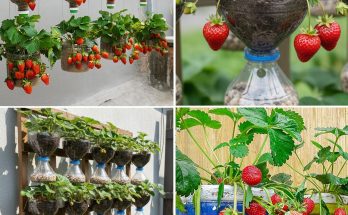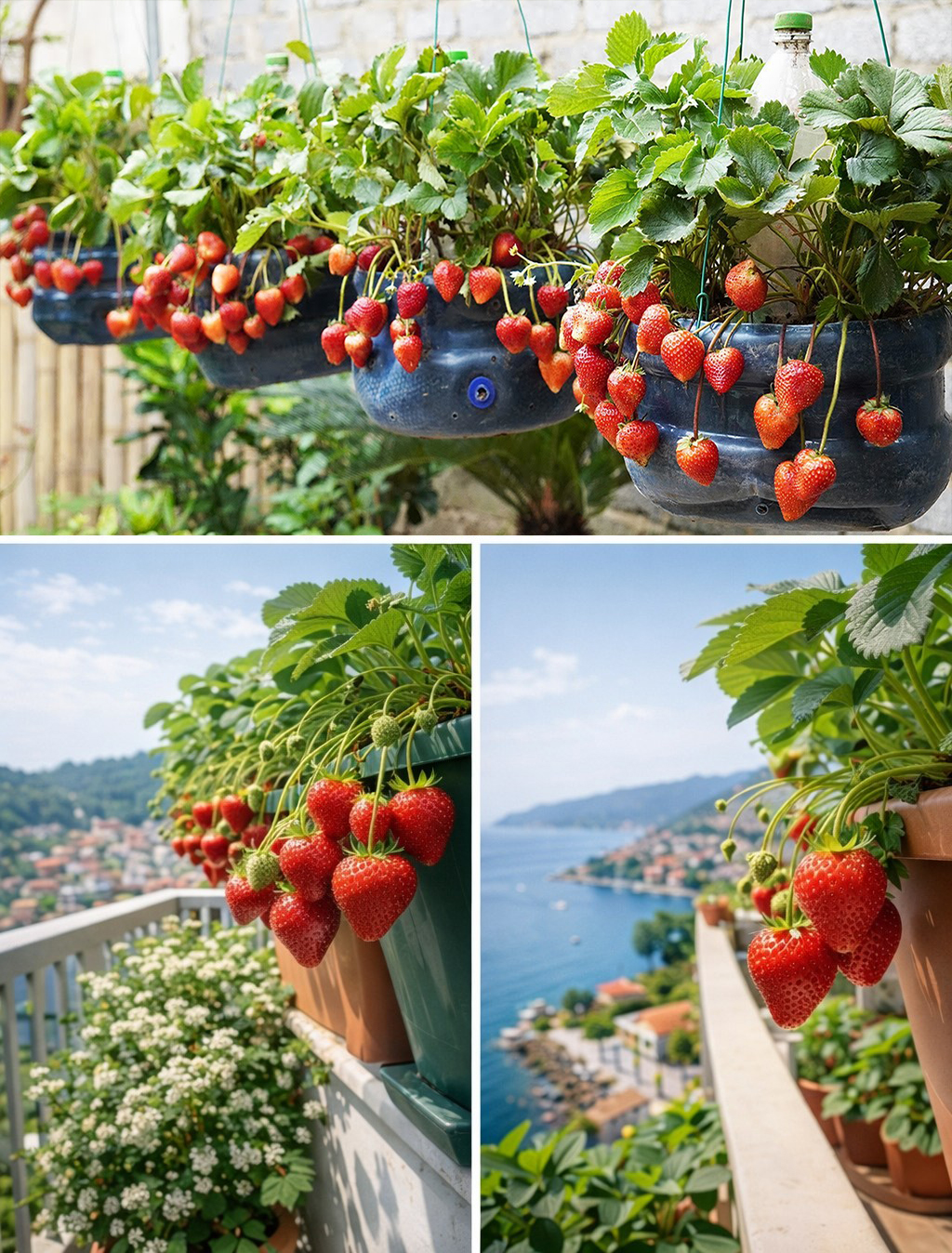
Why Grow Strawberries in Plastic Bottles?
Growing strawberries in plastic bottles offers several advantages:
- Space-Saving: Perfect for balconies, small gardens, or even indoor setups.
- Eco-Friendly: Helps reduce plastic waste by repurposing bottles.
- Cost-Effective: No need for expensive pots or large garden beds.
- Improved Drainage: Prevents overwatering and root rot.
- Pest Protection: Elevated plants are less likely to be attacked by ground pests.
- Easy Maintenance: Makes watering and harvesting more convenient.
By using this method, you can grow an abundance of strawberries in a small space while contributing to environmental sustainability.
Choosing the Right Strawberry Variety
To maximize your yield, select a strawberry variety that suits your climate and growing conditions:
- Ever-bearing Varieties: Such as ‘Albion’ and ‘Seascape,’ which produce fruit multiple times a year.
- June-bearing Varieties: Like ‘Chandler’ and ‘Honeoye,’ which provide a large harvest in early summer.
- Day-neutral Varieties: Such as ‘Tristar’ and ‘Tribute,’ which continuously produce fruit throughout the season.
Ever-bearing and day-neutral varieties are best for container gardening, as they offer continuous fruit production.
How to Grow Strawberries in Plastic Bottles
1. Choosing the Right Plastic Bottles
- Use large plastic bottles (2-5 liters) to provide enough space for root growth.
- Opt for transparent or semi-transparent bottles so you can monitor soil moisture.
- Clean the bottles thoroughly to remove any chemicals or residue.
2. Preparing the Bottles
- Cut large horizontal openings on one side of the bottle to allow room for planting.
- Poke drainage holes at the bottom to prevent water accumulation and root rot.
- If growing multiple plants, consider stacking bottles vertically or hanging them on a wall.
3. Preparing the Soil
Strawberries thrive in well-draining, nutrient-rich soil. Here’s how to prepare the best mix:
- Use a blend of potting soil, compost, and sand for good drainage.
- Add perlite or coco coir to improve aeration.
- Maintain a slightly acidic pH (5.5-6.5) for optimal growth.
4. Planting the Strawberries
- If using bare-root strawberry plants, soak them in water for an hour before planting.
- If using seedlings, gently loosen the roots before placing them in the soil.
- Insert the plants into the openings, ensuring the crown (where the stem meets the roots) is above the soil level.
- Lightly press the soil around the roots to secure the plants.
5. Providing Proper Sunlight
- Strawberries need 6-8 hours of direct sunlight daily.
- If growing indoors, place bottles near a south-facing window or use LED grow lights.
- Rotate bottles occasionally to ensure even light distribution.
6. Watering and Mulching
- Water regularly but avoid overwatering to prevent root rot.
- Keep the soil evenly moist, especially during hot weather.
- Use straw or dried leaves as mulch to retain moisture and regulate temperature.
7. Supporting the Plants
- If using hanging bottles, secure them with strong rope or wire.
- For vertically stacked bottles, use a frame to keep them stable.
- Regularly check for loose plants and reinforce supports if needed.
8. Fertilizing for Maximum Yield
Strawberries require nutrients to produce plenty of fruit. Use:
- A balanced organic fertilizer (such as 10-10-10) every 2-3 weeks.
- Fish emulsion or compost tea for natural nutrient boosts.
- Bone meal or phosphorus-rich fertilizer to support flowering and fruiting.
Managing Pests and Diseases
Strawberries grown in plastic bottles are less prone to soil-borne diseases, but they can still be affected by pests.
Common Pests:
- Aphids & Spider Mites: Spray with neem oil or insecticidal soap.
- Slugs & Snails: Use crushed eggshells or diatomaceous earth around the plants.
- Birds: Cover plants with a fine mesh or netting.
Common Diseases:
- Powdery Mildew: Improve air circulation and remove infected leaves.
- Gray Mold (Botrytis): Avoid excessive watering and ensure proper spacing.
- Root Rot: Prevent overwatering and ensure good drainage.
Harvesting Your Strawberries
Strawberries are ready to harvest 4-6 weeks after flowering.
How to Know When They Are Ripe:
- Berries should be fully red with no green or white areas.
- The skin should be firm but slightly soft when gently pressed.
- Fruits will have a sweet fragrance, indicating peak ripeness.
Harvesting Tips:
- Use scissors or garden shears to cut berries off instead of pulling them.
- Harvest every 2-3 days to encourage continuous production.
- Store fresh strawberries in the refrigerator for up to a week.
Bonus Tips for Growing More Strawberries in Less Space
- Use a Vertical Setup: Stack bottles or hang them to maximize growing space.
- Companion Planting: Grow with lettuce, spinach, or basil to deter pests.
- Hand Pollination: If grown indoors, use a small brush to transfer pollen between flowers.
- Pinch Runners: Remove extra runners to focus energy on fruit production.
- Rotate Plants: Replace old plants every 2-3 years for continuous high yields.
Final Thoughts
Growing strawberries in plastic bottles is a smart, space-saving, and eco-friendly method that allows anyone to enjoy fresh, homegrown fruit. With proper care, sunlight, and watering, you can harvest an abundance of sweet strawberries right at home—without the need for a large garden.
If you’ve never tried this method before, now is the perfect time to start! Follow these easy steps, and soon, you’ll have a thriving strawberry garden producing delicious fruit for your family to enjoy.
Give it a try, and you’ll never have to buy strawberries from the store again!