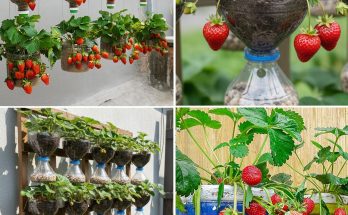
Here are five smart and proven ways to use baking soda to enhance your garden naturally.
1. Combat Fungal Diseases
Fungal infections like powdery mildew, black spot, and early blight are common issues in vegetable gardens and among ornamental plants. Baking soda is a mild alkaline compound that alters the pH on the leaf surface, creating an environment where fungal spores struggle to survive.
How to use it:
-
Mix 1 tablespoon of baking soda with 1 liter (1 quart) of water.
-
Add a few drops of mild liquid soap (like castile or dish soap) to help the mixture stick to leaves.
-
Pour the solution into a spray bottle and apply it to affected plants, especially the undersides of leaves.
-
Spray early in the morning or late in the afternoon to prevent sunburn.
Use this remedy weekly as a preventative measure or at the first sign of fungal infection.
2. Natural Insect Deterrent
Certain pests, such as aphids, spider mites, and ants, dislike the presence of baking soda. When applied with a bit of soap and oil, it can serve as an effective deterrent without harming beneficial insects like bees and ladybugs.
How to use it:
-
Combine 1 tablespoon of baking soda, 1 teaspoon of liquid soap, and 1 tablespoon of vegetable oil in 1 liter of water.
-
Shake well and spray the mixture on the leaves and stems of infested plants.
Apply once every 7–10 days until pests are under control.
3. Sweeten Tomato Flavor
Surprisingly, baking soda can influence the taste of your tomatoes. Since it’s alkaline, when lightly sprinkled around the base of tomato plants, it reduces soil acidity slightly. Tomatoes grown in slightly less acidic soil often have a sweeter, milder flavor.
How to use it:
-
Lightly sprinkle a small amount (about 1 teaspoon) of baking soda around the base of each tomato plant.
-
Water the area thoroughly so the baking soda dissolves into the soil.
Avoid getting the powder on the leaves or stems, as it can burn plant tissue in concentrated amounts.
4. Clean and Sanitize Garden Tools and Pots
Baking soda is a gentle yet effective abrasive cleaner. It can be used to scrub dirty pots, sanitize garden tools, and even freshen compost bins—all without introducing harsh chemicals to your garden.
How to use it:
-
Mix baking soda with a little water to form a paste.
-
Use the paste to scrub clay pots, pruning shears, and other tools.
-
Rinse thoroughly with water after cleaning.
Cleaning your tools regularly helps prevent the spread of diseases between plants and extends the life of your gardening equipment.
5. Deodorize Compost and Garden Areas
Compost piles, bins, and even some corners of the garden can develop unpleasant odors as organic materials decompose. While these smells are natural, they can be minimized using baking soda, which neutralizes acidic odors without harming the composting process.
How to use it:
-
Sprinkle a light layer of baking soda over your compost pile or inside a compost bin.
-
Avoid overusing it, as too much alkalinity can slow decomposition.
You can also use baking soda to deodorize garden shoes, gloves, or equipment storage areas.
Final Tips for Using Baking Soda in the Garden
While baking soda is a useful tool, it’s important to use it in moderation. Overapplication can harm beneficial microbes in the soil or alter soil pH too drastically. Always spot-test any homemade spray on a few leaves before treating an entire plant, especially in hot or sunny weather.
Baking soda is safe, affordable, and non-toxic, making it an excellent addition to any natural gardening routine. It’s particularly helpful for gardeners looking to reduce their reliance on synthetic pesticides and fungicides while still keeping their plants healthy and productive.
In Summary
From deterring pests to improving tomato flavor, baking soda is one of those rare household products that offers a wide range of benefits in the garden. It’s a sustainable, budget-friendly way to care for your plants, clean your tools, and manage common gardening challenges—all without synthetic chemicals.
Try these five methods in your garden, and you may find that this humble white powder becomes one of your favorite garden allies.