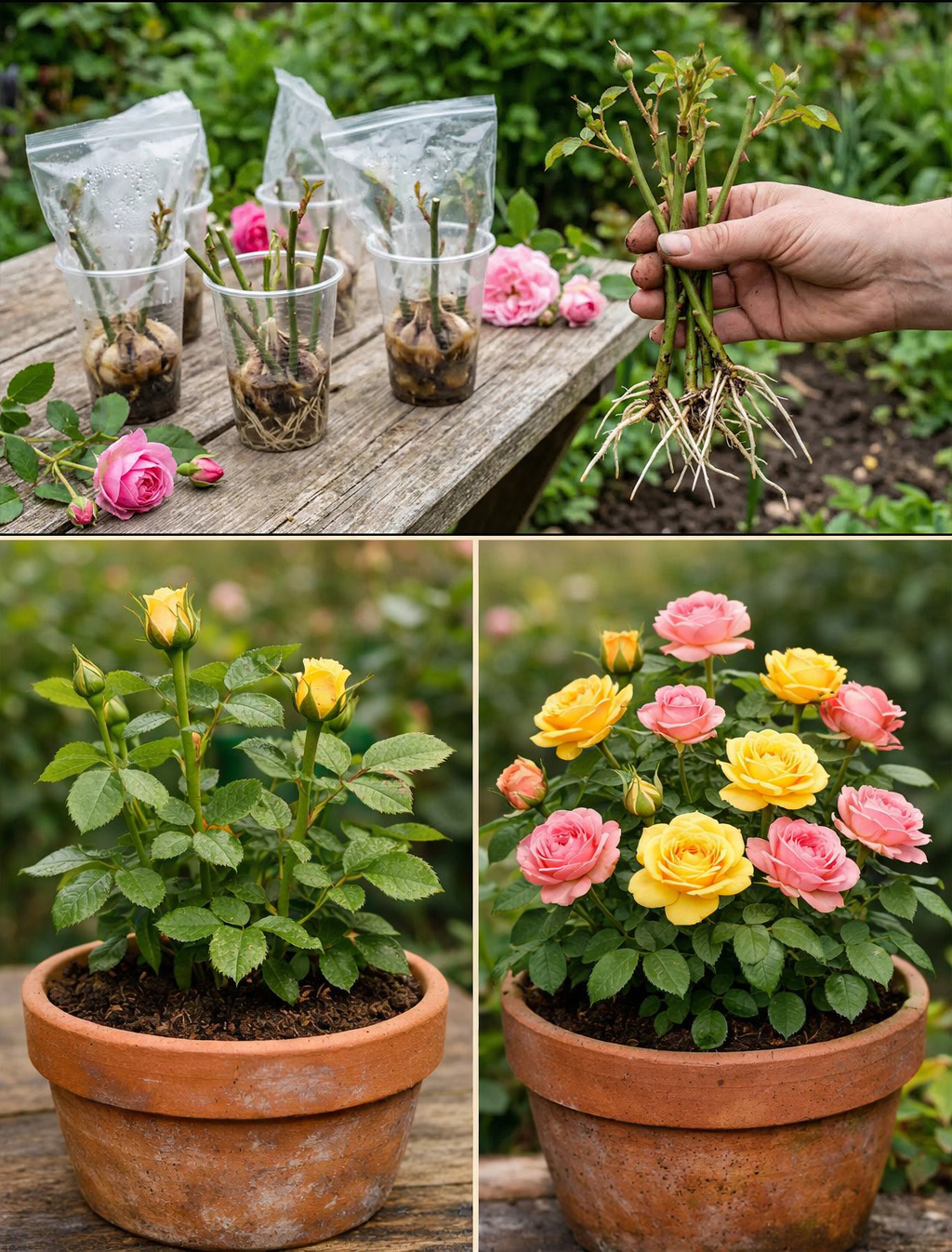
Garlic, known for its natural antibacterial and antifungal properties, is not only a staple in the kitchen but also a miracle worker in the garden. Using garlic water on rose cuttings can promote faster rooting, enhance sprouting, and encourage strong, healthy growth—all with a natural, chemical-free solution.
Let’s dive into how garlic water works its magic, how to use it effectively, and why your roses will thrive using this simple method.
Why Garlic Water Works for Roses
Garlic is packed with several beneficial compounds that can stimulate root development in plants, including roses. These compounds have natural antimicrobial properties, which help protect the cuttings from diseases and infections during the rooting process. Some key benefits include:
-
Allicin: This compound is what gives garlic its distinct smell, and it has proven antimicrobial properties that help protect the cuttings from harmful bacteria and fungi that can cause rot.
Water & Marine Sciences -
Sulfur compounds: Garlic contains sulfur, which plays a role in promoting healthy root systems and stimulating growth.
-
Antioxidants: Garlic is rich in antioxidants that protect plants from stress and environmental damage.
-
Minerals: Garlic contains trace amounts of essential minerals like zinc, calcium, and magnesium that contribute to root development.
By soaking rose cuttings in garlic water, you’re providing them with the perfect boost to start rooting faster, more efficiently, and more healthily.
What You’ll Need
-
2–3 cloves of fresh garlic
-
1 liter (about 4 cups) of water
-
A small container or jar for soaking
-
Rose cuttings (6–8 inches long)
Health -
A pot with well-draining soil or sand
-
Clear plastic bag or dome (optional, to maintain humidity)
Step-by-Step Guide to Using Garlic Water for Rose Cuttings
Step 1: Prepare the Garlic Water Solution
To make the garlic water, start by peeling 2–3 fresh garlic cloves. Crush or chop the garlic slightly to release its juices and maximize the benefits.
Next, add the crushed garlic cloves to 1 liter (about 4 cups) of warm water. Stir the mixture gently and let it sit for about 24 hours to infuse. The warm water helps extract the beneficial compounds from the garlic, creating a natural rooting solution for your rose cuttings.
Step 2: Prepare the Rose Cuttings
While the garlic water is infusing, take a healthy rose stem and cut it into 6–8 inch pieces. The best time to take cuttings is during the growing season, ideally in early spring or summer.
-
Cut each stem just below a leaf node (the area where leaves sprout).
Flora & Fauna -
Remove any flowers, buds, and leaves from the lower part of the cutting to ensure energy is directed toward root development.
-
Make a small diagonal cut at the base of the cutting to expose more surface area for rooting.
Step 3: Soak the Cuttings in Garlic Water
Once the garlic water has been infused, strain the liquid into a clean container. Take your rose cuttings and dip them into the garlic water, ensuring that the bottom few inches of the stem are fully submerged. Allow the cuttings to soak for 1–2 hours, giving them time to absorb the nutrients and compounds from the garlic water.
Garlic’s antimicrobial properties will help protect the cuttings from rot, while the sulfur and minerals in the water will provide the nutrients necessary for healthy root growth.
Step 4: Plant the Cuttings
After soaking, plant your rose cuttings in a small pot filled with well-draining soil or a mix of soil and sand. Make a hole in the soil with a pencil or stick to avoid damaging the cutting, and then gently insert the cutting into the hole.
Firm the soil around the cutting to ensure it is stable and upright. Keep the soil moist but not soggy, as excess moisture can cause rot.
Step 5: Maintain Humidity and Temperature
Roses cuttings need high humidity to root successfully. To create a mini greenhouse effect, cover the pot with a clear plastic bag or a plastic dome. This will help maintain a warm, humid environment, encouraging faster rooting.
Place the pot in a location with indirect sunlight—direct sunlight can overheat the cutting and dry it out too quickly.
Ongoing Care and Monitoring
-
Check the soil regularly: Keep the soil consistently moist, but not overly wet. Mist the surface with water if necessary to maintain humidity.
-
Ventilate the plastic cover: Open the cover occasionally to allow fresh air circulation and prevent mold growth.
-
Observe for roots: In about 10–14 days, you should start to see roots forming. Gently tug on the cutting to test if it has taken root.
-
Gradually expose the cuttings to more light once they’ve rooted, and eventually, they can be transplanted into a larger pot or directly into the garden.
Benefits of Using Garlic Water for Roses
Using garlic water on rose cuttings provides multiple benefits:
-
Accelerates rooting: The nutrients in garlic help promote quicker and more robust root growth.
-
Increases sprouting: With the added boost from garlic’s natural growth-promoting properties, your cuttings are more likely to sprout and thrive.
-
Improves plant health: Garlic’s antimicrobial properties help keep the cuttings free from diseases and rot, which can often plague newly planted cuttings.
-
Natural and chemical-free: Garlic water is a completely organic method, making it safe for both your roses and the environment.
Final Thoughts
If you’re looking for a natural way to propagate roses and encourage healthy, vigorous growth, garlic water is an excellent solution. With just a few simple ingredients, you can boost the success rate of your cuttings and watch them sprout and root in record time. Whether you’re a seasoned gardener or a beginner, garlic water is an easy, affordable, and effective method to try.
Give it a go and watch your roses take root and grow like never before!