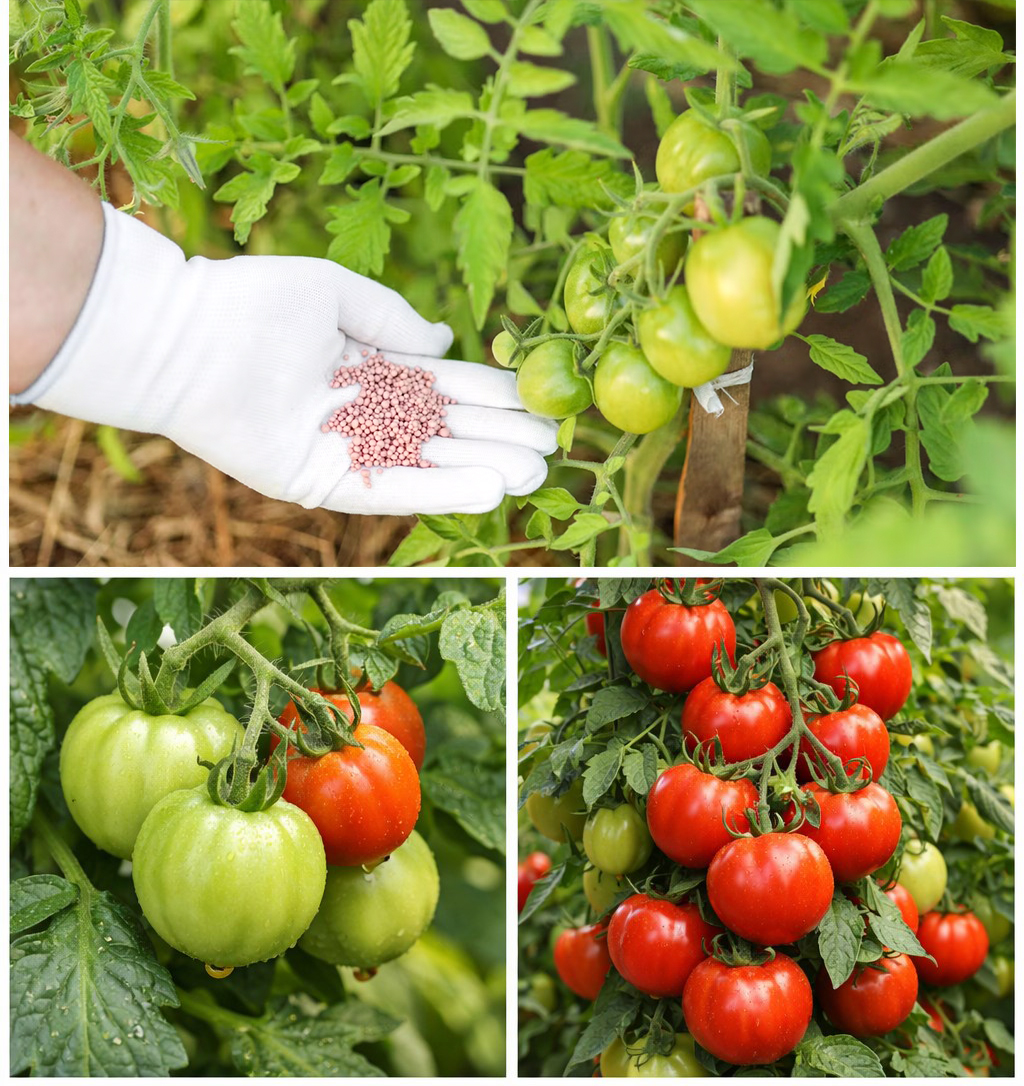
This simple, homemade fertilizer delivers all the essential nutrients your tomato plants need, right from the start. When added to the planting hole during transplanting, it helps seedlings adapt faster, promotes vigorous root development, and supports healthy growth throughout the season.
Why Tomatoes Need a Nutritional Boost Early On
Tomatoes have demanding nutrient requirements, especially for phosphorus, potassium, calcium, and magnesium. These nutrients support strong root systems, disease resistance, flower formation, and fruit production.
If tomato seedlings don’t get the right nutrition at the right time, they may develop slowly, produce weak stems, or suffer from blossom-end rot and other common issues. Applying the right fertilizer at the time of planting gives them the best possible foundation for a healthy and productive season.
The Ultimate Tomato Fertilizer Mix
This natural mix combines organic materials that are rich in key nutrients, easy to find, and completely safe for the environment. Best of all, you can mix it at home and apply it in just a few minutes when transplanting your tomato seedlings into the garden or containers.
Ingredients:
-
1 tablespoon of wood ash or crushed eggshells (for potassium and calcium)
-
1 teaspoon of bone meal or fish meal (for phosphorus)
-
1 tablespoon of compost or well-rotted manure (for overall nutrition and soil life)
-
1 pinch of mycorrhizal fungi or a bit of garden soil from a healthy bed (to support root colonization and nutrient uptake)
Each of these ingredients plays an important role:
-
Wood ash provides potassium, which is essential for flowering and fruit development. Crushed eggshells offer a slow-release source of calcium to prevent blossom-end rot.
-
Bone meal adds phosphorus, encouraging strong roots and early flower formation.
-
Compost provides a balanced range of nutrients, supports soil structure, and feeds beneficial microbes.
-
Mycorrhizal fungi form a symbiotic relationship with plant roots, enhancing nutrient and water absorption.
How to Apply the Fertilizer When Planting
-
Dig a deep hole for each tomato seedling, about twice as deep as the seedling’s root ball. Tomatoes love to be planted deep because they can develop roots along the buried stem.
Crops & Seed -
Place the fertilizer mix into the bottom of the hole. Layer the ingredients directly into the planting hole or mix them into a handful of soil and drop it in.
-
Cover the fertilizer with a small amount of soil (just enough to prevent direct contact between roots and concentrated fertilizer).
-
Place the seedling in the hole, burying it up to the first set of true leaves.
-
Firm the soil gently around the base and water well.
This method ensures that the roots grow downward into the nutrient-rich zone, promoting faster establishment and more vigorous growth.
Ongoing Tomato Care After Planting
While this initial boost sets the stage for a successful season, your tomatoes will continue to need care:
-
Water consistently, especially during flowering and fruiting. Inconsistent watering can cause fruit cracking and blossom-end rot.
-
Mulch around the base of the plant to retain moisture and suppress weeds.
-
Side-dress with compost or diluted liquid fertilizer (like compost tea or seaweed extract) every 2–3 weeks once flowering begins.
-
Prune lower leaves and suckers to improve airflow and reduce the risk of disease.
The Benefits of This Planting-Time Fertilizer
-
Immediate nutrient availability: Gives young seedlings what they need right away.
-
Healthier plants: Reduces risk of early nutrient deficiencies, especially calcium and phosphorus.
Agriculture & Forestry -
Better root systems: Encourages deeper, stronger roots for drought resistance.
-
Higher yields: Well-nourished tomato plants produce more flowers and fruits.
Final Thoughts
There’s no need for complicated synthetic fertilizers when you can create a powerful, natural blend using simple ingredients. This DIY tomato fertilizer mix is cost-effective, eco-friendly, and incredibly efficient. When added during planting, it provides the nutrients your tomato seedlings need for explosive growth and a fruitful season ahead.
Whether you’re planting in raised beds, garden rows, or containers, this technique will help you grow strong, healthy tomato plants that reward you with abundant harvests all summer long.