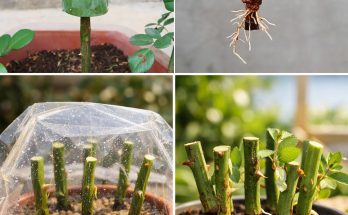
This guide will show you step-by-step how to grow tomatoes quickly and maximize both yield and fruit size—right from the comfort of your home.
1. Choose the Right Tomato Variety
The journey to big, fast-growing tomatoes starts with choosing the right variety. Some tomatoes are bred for speed, size, or flavor. If you’re growing at home, consider:
-
Indeterminate varieties: These grow and produce fruit continuously throughout the season. Great for ongoing harvests.
-
Determinate varieties: More compact and ideal for container gardening. They produce a full crop all at once.
-
Fast-maturing types: Look for varieties labeled as “early” or with short maturity times (50–60 days).
Popular options for fast and large fruits include ‘Beefsteak’, ‘Celebrity’, ‘Early Girl’, and ‘Big Boy’.
2. Start With Healthy Soil
Tomatoes are heavy feeders and need nutrient-rich, well-draining soil to grow quickly and produce large fruits. Prepare your soil with:
-
Compost or aged manure: Adds essential nutrients and improves soil texture.
-
Worm castings or organic matter: Increases microbial life for healthier root development.
-
Balanced NPK fertilizer: Use one with slightly higher phosphorus (middle number) to promote strong root growth and flowering.
For potted tomatoes, use a high-quality vegetable potting mix enriched with organic material.
3. Plant Deep for Strong Roots
When transplanting your tomato seedlings, bury 2/3 of the stem into the soil. Tomato plants grow roots along their buried stems, so deeper planting results in a stronger root system, which supports faster growth and larger fruit.
Gently strip off the lower leaves before planting, and angle the plant slightly to allow room in shallower pots or containers.
4. Provide Full Sunlight
Tomatoes are sun-loving plants. For optimal growth and fruit production, provide:
-
At least 6–8 hours of direct sunlight per day
-
South-facing locations for maximum exposure (in the Northern Hemisphere)
-
Grow lights if you’re growing indoors or in shaded areas
The more light the plant receives, the more energy it has to produce large, flavorful tomatoes.
5. Water Smartly
Tomatoes need consistent watering, especially during fruiting. Irregular watering leads to blossom-end rot or cracked fruits. Follow these tips:
-
Water deeply 2–3 times per week rather than a little every day
-
Keep soil evenly moist, not soggy
-
Water at the base of the plant to avoid leaf diseases
-
Mulch with straw or dry leaves to retain soil moisture and suppress weeds
6. Use Organic Fertilizer Boosters
To encourage faster growth and bigger fruit, feed your plants every 2 weeks with a homemade or organic liquid fertilizer. Some great natural options include:
-
Banana peel tea: Rich in potassium and phosphorus for fruit development
-
Compost tea: Full of microbes and slow-release nutrients
-
Fish emulsion or seaweed extract: Excellent for all-around growth
Start feeding after the plant begins to flower and continue through fruiting.
7. Prune for Productivity
Pruning helps redirect energy from excess foliage to fruit production. Key pruning tips:
-
Remove suckers: These are small shoots that grow between the main stem and leaf branches. Removing them keeps the plant focused on producing fruit.
Flora & Fauna -
Trim lower leaves: Once the plant is well-established, cutting off bottom leaves improves air circulation and reduces disease risk.
-
Support with stakes or cages: Keeping plants upright allows better light penetration and reduces stress on the plant.
8. Pollination Boost
Tomatoes are self-pollinating, but hand-pollinating can increase fruit size and yield—especially in indoor or low-wind environments. Gently shake the flowering branches or use a soft brush to transfer pollen between flowers.
9. Monitor for Pests and Disease
Keep a close eye on your tomato plants to catch problems early. Common pests include:
-
Aphids
-
Whiteflies
-
Tomato hornworms
Use organic pest control methods like neem oil, insecticidal soap, or companion planting (e.g., basil and marigold) to deter insects.
10. Harvest at the Right Time
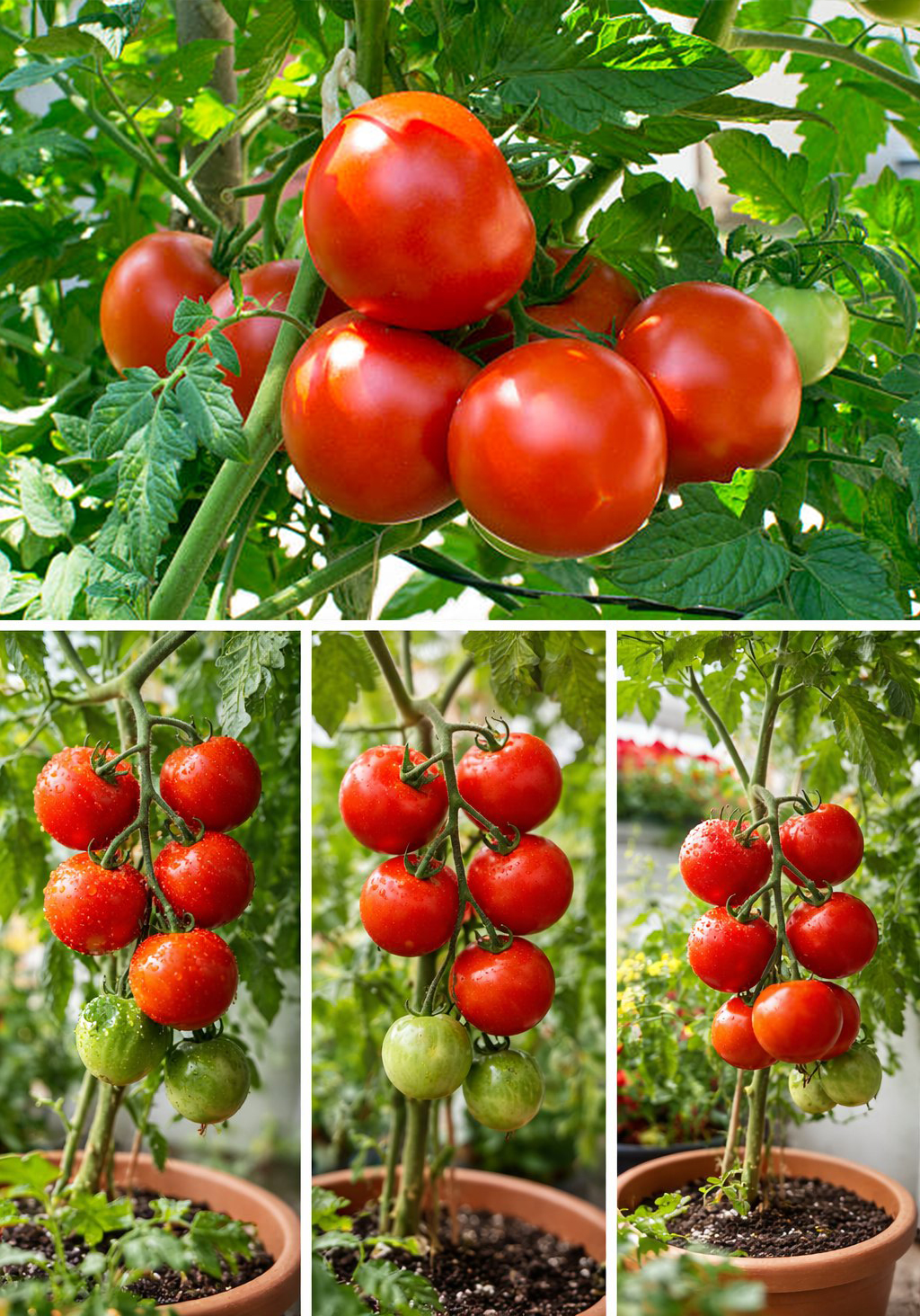
For the best flavor and maximum size, harvest tomatoes when they are fully red (or the appropriate color for your variety) and slightly soft to the touch. Avoid letting them overripen on the vine, which can slow the plant’s overall production.
Final Thoughts
Growing tomatoes fast and with big, juicy fruits at home is absolutely achievable with the right care. By choosing good varieties, feeding the soil, providing sunlight and water, and pruning wisely, you can enjoy a healthy and abundant tomato harvest.
Start with strong soil, give your plants the right nutrients, and watch your homegrown tomatoes thrive—delivering the rich, fresh flavor that store-bought tomatoes just can’t match.