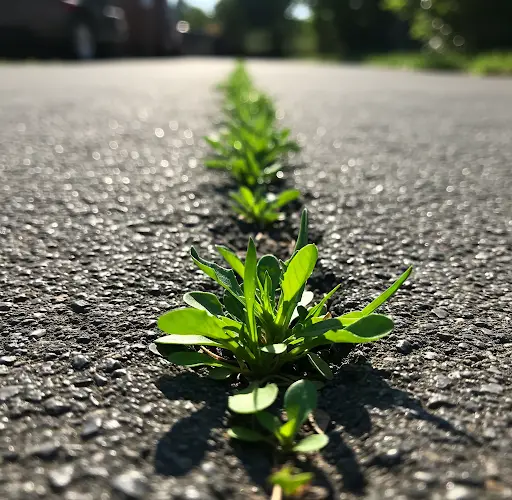
Say Goodbye to Weeds: A Simple and Natural Homemade Weed Killer
Weeds—just the word is enough to frustrate even the most seasoned gardener. These uninvited plants can quickly take over a garden, lawn, or yard, crowding out the plants we actually want to grow. Whether you’re tending to a vegetable patch, flower bed, lawn, or just a few potted plants, weeds are an enemy that all gardeners face. They compete for space, nutrients, and water, weakening desirable plants and reducing productivity. Worst of all, many types of weeds are incredibly stubborn and spread rapidly, making them difficult to control once established.
Fortunately, there’s a simple and natural way to deal with them—without reaching for chemical herbicides that can be harmful to people, pets, and the environment. With just a few common household ingredients, you can make an effective weed-killing spray at home that’s safe, affordable, and easy to use.
Why Weeds Are Such a Problem
Weeds are simply plants growing where they’re not wanted. But despite how harmless that sounds, they can do significant damage to your garden or lawn. Their fast growth and resilience allow them to outcompete cultivated plants for essential resources like sunlight, water, and soil nutrients. Over time, this stress leads to poor growth, fewer flowers or fruits, and even plant death in extreme cases.
Some weeds spread aggressively through underground roots or seeds that can lie dormant for years. Others can regenerate from tiny root fragments left in the soil after pulling. That’s why regular, timely weed management is essential to maintaining a healthy garden space.
The Natural Solution: A Homemade Weed Spray
Chemical herbicides can be effective, but they often come with serious drawbacks—potential health risks, soil damage, and harm to beneficial insects or pollinators. The good news? You can fight weeds naturally with a homemade spray using just three ingredients that you likely already have in your kitchen:
-
500 ml of water
-
1 tablespoon of salt
-
200 ml of vinegar
This combination creates a simple yet powerful solution that can dry out and kill weeds without harming the surrounding environment when used carefully.
How It Works
-
-
Vinegar, especially white distilled vinegar, contains acetic acid, which acts as a desiccant. It draws moisture out of the plant’s leaves and stem, causing them to dry up and die. It works best on young, actively growing weeds.
-
-
Salt is another natural dehydrator. When applied to plants in high concentrations, it disrupts their internal water balance and affects their ability to absorb nutrients from the soil. This adds a second punch to the vinegar’s drying effect.
-
Water helps dilute the mixture just enough to make it easier to spray evenly across weed leaves.
Combined, these ingredients create a potent, non-selective herbicide that will kill most weeds it touches. However, because this spray doesn’t distinguish between “good” and “bad” plants, it’s essential to apply it carefully and avoid contact with flowers, vegetables, or other valued plants.
How to Make and Use the Spray
-
-
Pour the 500 ml of water, 200 ml of vinegar, and 1 tablespoon of salt into a spray bottle.
-
Shake the bottle thoroughly until the salt has completely dissolved.
-
-
-
On a dry, sunny day, spray the solution directly onto the weeds, making sure to coat the leaves well.
-
Avoid spraying on windy days or near desired plants, as the solution can harm anything it touches
-
The sun will enhance the effects of the spray, helping the weeds dry out faster.
-
You can use this spray on a variety of surfaces, including:
-
-
Garden paths
-
Patio cracks
-
Driveways
-
Between stones or bricks
-
Any area where weeds are popping up but where no desired plants are growing
-
Helpful Tips for Best Results
-
-
Apply in full sun. The heat and light speed up the drying process, making the treatment more effective.
-
Repeat as needed. Some tough weeds may require a second or third application.
-
Target early growth. This spray works best on young, small weeds. Once a plant has deep roots or has gone to seed, physical removal might be needed.
-
-
Use caution with salt. Repeated salt use can damage the soil, making it hard for anything to grow in the same spot. Limit applications to driveways, sidewalks, or non-plant areas.
An Eco-Friendly Way to Take Control
This homemade weed spray is an excellent tool for organic and environmentally conscious gardeners. It’s non-toxic, inexpensive, and easy to make, yet strong enough to help you reclaim your garden from unwanted invaders.
With regular maintenance and a little vigilance, you can keep weeds from overwhelming your garden without compromising on safety or sustainability. Next time weeds start to pop up where they don’t belong, try this simple solution—and enjoy a healthier, cleaner, and more vibrant growing space.