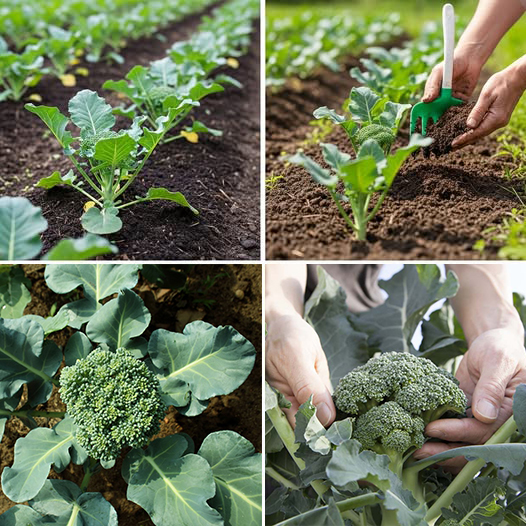
If your broccoli heads are small, loose, or quick to bolt, don’t worry. With a few adjustments, you can improve your harvest significantly. Here are proven tips to help you grow big, dense broccoli heads that are both visually appealing and full of flavor.
1. Start with the Right Variety
Choosing the right broccoli variety plays a major role in the size and quality of the heads. Some varieties are bred specifically for large central heads, while others are better suited for producing side shoots.
Recommended varieties for large heads:
-
-
‘Packman’ – Early maturing and known for big, tight heads.
-
‘Belstar’ – A hybrid ideal for spring and fall plantings.
-
‘Calabrese’ – Traditional Italian variety with rich flavor and large heads.
-
-
‘Green Magic’ – Performs well in a range of climates with good head formation.
When shopping for seeds or starts, read descriptions carefully and look for varieties specifically marketed for big central heads.
2. Plant at the Right Time
Broccoli is a cool-season crop that performs best in temperatures between 60–70°F (15–21°C). Exposure to high heat can cause heads to loosen, become bitter, or bolt (flower prematurely).
Best planting tips:
-
-
In most climates, sow seeds indoors 6–8 weeks before the last frost and transplant outdoors 2–3 weeks before the final frost.
-
-
For a fall crop, start seeds in mid-to-late summer and transplant as temperatures begin to drop.
-
Avoid planting during midsummer unless your area has consistently cool temperatures.
Proper timing ensures the plant matures in cooler weather, which supports tighter and more flavorful heads.
3. Use Rich, Well-Prepared Soil
Broccoli is a heavy feeder and needs fertile, well-draining soil to grow vigorously and produce large heads.
Soil tips:
-
Use soil enriched with compost or aged manure.
-
Maintain a slightly acidic to neutral pH of 6.0–7.0.
-
Ensure soil is loose and well-aerated to support healthy root development.
Before planting, mix in a balanced organic fertilizer or slow-release vegetable fertilizer to give plants a strong start.
4. Space Plants Properly
Crowded plants can compete for light, nutrients, and water, resulting in smaller and looser heads.
Spacing guide:
-
Space broccoli plants 18–24 inches apart in rows at least 2 feet apart.
-
This gives each plant room to grow a large head and promotes good air circulation to prevent disease.
Resist the temptation to squeeze plants closer together, even in small garden beds.
5. Provide Consistent Watering
Uneven watering can cause stress and affect head development. Broccoli prefers consistently moist (but not soggy) soil.
Watering tips:
-
-
Water deeply 1–2 times a week, depending on weather and soil type.
-
Keep the soil evenly moist throughout the growing season.
-
-
Mulch around the plants with straw, leaves, or compost to retain moisture and suppress weeds.
Consistent moisture supports steady growth and prevents issues like bitter or bolting heads.
6. Feed Regularly
Broccoli needs a steady supply of nutrients to grow large, tight heads.
Fertilizing strategy:
-
-
Side-dress with compost or a nitrogen-rich fertilizer (like fish emulsion or blood meal) about 3–4 weeks after transplanting.
-
-
Apply a second round of fertilizer once heads begin to form.
Avoid over-fertilizing, which can lead to excess foliage at the expense of head development.
7. Protect from Pests
Common pests like aphids, cabbage loopers, and cabbage worms can stress plants and reduce head size.
Natural pest control:
-
-
Cover plants with row covers to keep insects away.
-
Hand-pick visible pests.
-
Use neem oil or insecticidal soap if needed.
-
-
Encourage beneficial insects like ladybugs in your garden.
Healthy, undamaged leaves are essential for feeding head formation.
8. Monitor and Harvest at the Right Time
Waiting too long to harvest can cause the head to loosen or begin flowering.
Harvesting tips:
-
-
Pick broccoli when the head is firm, dark green, and the buds are tight.
-
Harvest in the morning for best flavor.
-
Use a sharp knife to cut the central head, leaving 5–6 inches of stem.
-
-
After cutting the main head, the plant often produces side shoots for continued harvest.
Avoid harvesting after buds start to yellow or open into flowers—this means the head is past its prime.
9. Avoid Temperature Stress
Broccoli is sensitive to temperature extremes. Stress from heat or cold can affect head formation.
Temperature care:
-
-
Use shade cloth during unexpected heatwaves.
-
Apply mulch to regulate soil temperature.
-
If a late frost is predicted, cover plants with floating row covers.
-
Stable, cool temperatures help maintain tight, compact heads.
Final Thoughts
Growing large, tight broccoli heads takes a bit of planning, but the results are worth the effort. Start with the right variety, provide rich soil and consistent care, and protect your plants from stress and pests. With these tips, your broccoli can rival anything found in a grocery store—fresh, firm, and homegrown to perfection.