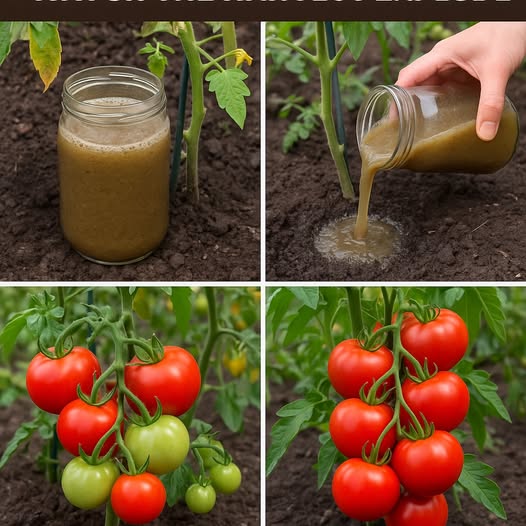
Growing tomatoes at home is a rewarding and satisfying experience, but getting the best results requires giving your plants the right nutrients. While commercial fertilizers are readily available, many contain synthetic chemicals that can harm the environment or damage plants if misused. Fortunately, there are natural and effective alternatives that you can make at home using simple, everyday ingredients.
Homemade fertilizers are not only cost-effective, but also eco-friendly. They reduce waste, enrich your soil, and help tomato plants thrive throughout the growing season. Below are four of the best DIY fertilizers for tomatoes, each with easy-to-follow instructions.
1. Tomato Plant Parts Fertilizer
Tomato plants themselves are rich in nutrients. You can recycle parts of the plant such as leaves, suckers (the small shoots between the stem and branches), and extra seedlings to make a nutrient-packed liquid fertilizer.
-
-
Fill the bucket with non-chlorinated water—rainwater is ideal, or let tap water sit for 24 hours to allow chlorine to evaporate.
-
Stir the contents to ensure the material is submerged, and loosely cover the bucket to allow airflow.
-
Let the mixture steep for 1 to 2 weeks. Stir occasionally to promote fermentation.
-
-
After steeping, either strain out the solids or use the mixture as is.
-
Dilute the liquid by mixing 1 part fertilizer with 10 parts water before applying it to the soil around your tomato plants.
This method recycles garden waste and delivers essential nutrients like nitrogen, potassium, and phosphorus—perfect for healthy plant growth.
2. Tomato Paste Fertilizer
Tomato paste is a surprisingly effective ingredient for making a simple foliar fertilizer. It’s rich in potassium and phosphorus, two key nutrients that support flowering and fruiting in tomato plants.
How to Make It:
-
-
Mix 2 tablespoons of tomato paste with 1 liter of water.
-
Stir until the paste fully dissolves and the mixture turns a deep red.
-
Pour this solution into a larger container and add 10 liters of water.
-
-
Stir thoroughly to combine.
How to Use It: Use this fertilizer as a foliar spray. Spray it directly onto the leaves of your tomato plants once a week. Foliar feeding allows plants to absorb nutrients more quickly through their leaves, providing an instant boost during the fruiting stage. This natural solution is gentle and safe, packed with vitamins, amino acids, and minerals such as magnesium and calcium.
3. Tomato Paste and Compost Tea Fertilizer
For an even more powerful blend, combine tomato paste with compost tea. This mixture provides both fast-acting nutrients and beneficial microbes that support long-term soil health.
How to Make It:
-
-
Mix 4 tablespoons of tomato paste with 1 liter of water until well blended.
-
Add this mixture to 8 liters of water in a larger bucket.
-
-
Add enough compost tea to make a total of 15 liters of fertilizer.
How to Make Compost Tea: Soak mature compost in water for 24–48 hours, then strain out the solids. The resulting tea is filled with nutrients and helpful microorganisms.
How to Use It: Apply the fertilizer directly to the soil around your tomato plants or use it as a foliar spray. The combination of tomato paste and compost tea enhances flower and fruit development while supporting healthy roots and microbial activity in the soil.
4. Overripe Tomato Fertilizer
Instead of throwing away overripe or damaged tomatoes, turn them into a nutrient-rich fertilizer for your garden. This method helps reduce kitchen waste while feeding your plants.
How to Make It:
-
-
Collect overripe or damaged tomatoes. Remove any parts that are diseased or pest-infested.
-
Blend the tomatoes with 1 liter of water to create a smooth juice.
-
-
-
Pour 1 liter of this juice into a large container.
-
Add 10 liters of water and 10 liters of compost tea.
-
Mix well and let the solution rest for 24 hours.
-
How to Use It: Apply the fertilizer to the base of your tomato plants or use it to water seedlings. The nutrients in the tomatoes, combined with the compost tea, promote healthy plant growth and soil improvement.
Final Thoughts
Making your own fertilizer is a simple, cost-effective, and sustainable way to nourish your tomato plants. Whether you’re recycling plant parts, using leftover tomato paste, or blending overripe tomatoes, these homemade solutions provide your garden with the nutrients it needs without relying on synthetic chemicals.
By embracing natural fertilizers, you’ll not only grow stronger, healthier tomato plants but also reduce waste and contribute to a more eco-friendly gardening practice. Give these methods a try and enjoy a bountiful harvest of delicious homegrown tomatoes.
