Why Wooden Planters Are Ideal for Cucumbers
Cucumbers require loose, nutrient-rich soil and consistent warmth to thrive. Wooden planters offer these conditions while maintaining a rustic charm that enhances outdoor décor. Unlike plastic, wood provides natural insulation, keeping soil temperatures more stable. This is especially useful for cucumbers, which are sensitive to extreme heat and sudden changes in climate.
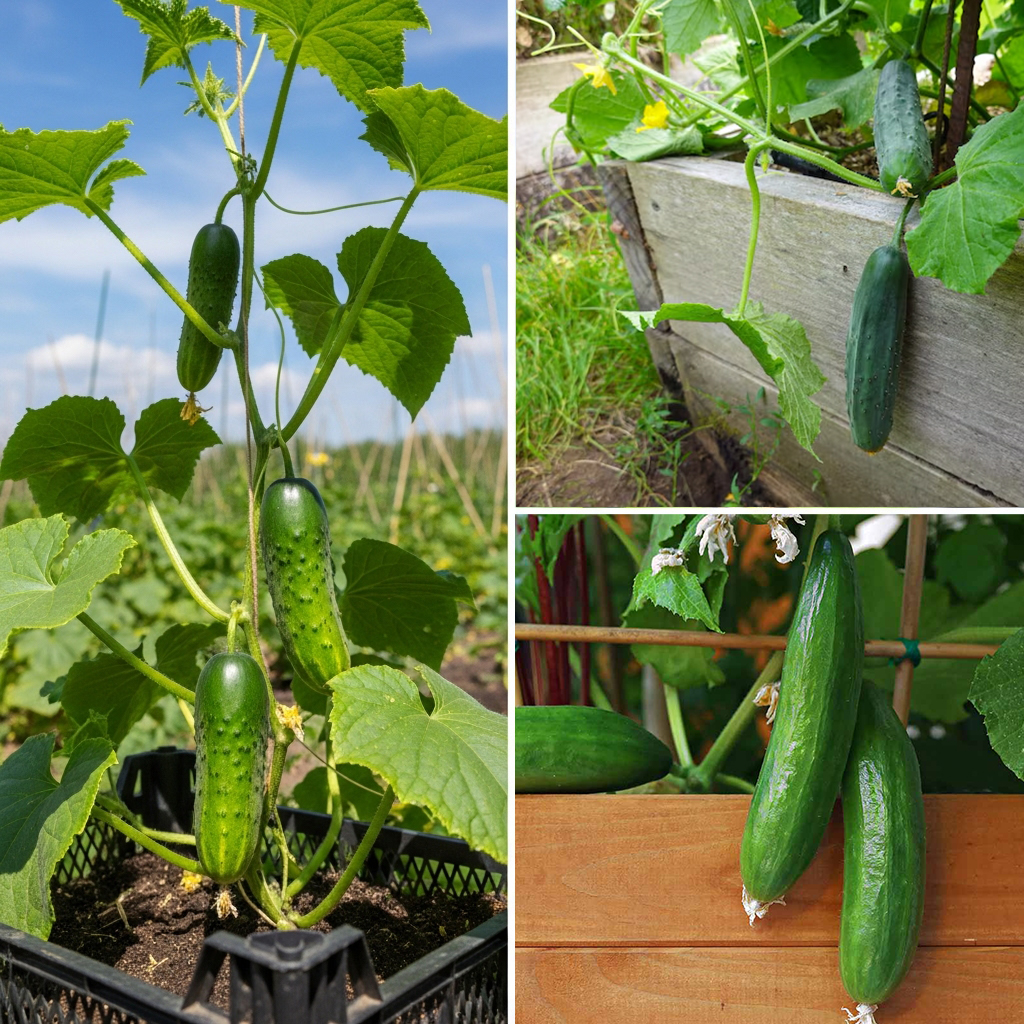
Wooden planters can also be designed to match your available space. Whether you choose a deep square box, a long rustic trough, or tiered crates, wooden containers give cucumbers the depth they need for healthy roots. Additionally, they can be fitted with trellises or stakes, helping cucumber vines grow upward instead of sprawling outward—perfect for compact gardening.
Choosing the Right Container Size
Cucumbers are vigorous growers, so they need enough room to spread their roots. A wooden planter that is at least 12–16 inches deep and 14–18 inches wide is sufficient for one cucumber plant. If growing multiple plants, space them 12 inches apart in larger trough-style boxes.
Drainage is crucial. Drill holes in the bottom of the planter to allow excess water to escape. For added efficiency, place a layer of gravel or small stones at the bottom before adding soil. This prevents waterlogging, which can harm cucumber roots.
Preparing the Soil Mix
Healthy soil is the foundation of successful cucumber growth. Cucumbers thrive in a mix that holds moisture while remaining well-drained. A good recipe includes equal parts compost, peat moss or coco coir, and perlite or coarse sand. The compost ensures steady nutrients, while perlite keeps the soil light and airy.
Before planting, enrich the mix with organic fertilizer or slow-release granules rich in potassium and phosphorus. These nutrients support flowering and fruiting, ensuring a continuous harvest.
Planting Cucumbers in Wooden Planters
Cucumbers can be started from seeds or transplants. If sowing seeds directly into the planter, wait until the weather is warm—soil temperatures should be at least 65°F (18°C). Plant seeds about 1 inch deep, with two to three seeds per planting hole. Once seedlings sprout, thin them to the strongest plant.
For quicker results, transplant young cucumber seedlings from a nursery. Bury them at the same depth they were growing in their pots, gently firming the soil around their base. Water thoroughly after planting to help them settle into their new home.
Training Cucumbers to Grow Vertically
One of the best ways to maximize space in wooden planters is to train cucumbers to climb. Adding a trellis, bamboo stakes, or a rustic wooden frame helps the vines grow upward, keeping fruits off the soil. This reduces the risk of rot, improves air circulation, and makes harvesting easier.
Compact or bush cucumber varieties are particularly well-suited for container gardening. These types naturally grow smaller vines, making them easier to manage in confined spaces.
Watering and Feeding
Cucumbers are heavy drinkers and need consistent moisture to produce crisp fruits. Check soil daily, especially during hot weather, and water deeply when the top inch feels dry. Avoid overhead watering, as wet foliage can encourage mildew. Instead, water at the base of the plant to keep leaves dry.
Fertilize every two to three weeks with a liquid fertilizer high in potassium, such as diluted seaweed or tomato feed. This encourages flowering and fruit production. Too much nitrogen should be avoided, as it produces leafy growth but fewer cucumbers.
Pest and Disease Management
Cucumbers in wooden planters are less prone to soil-borne diseases, but pests can still appear. Watch for aphids, cucumber beetles, and spider mites. Removing pests by hand, spraying neem oil, or introducing beneficial insects like ladybugs can help keep infestations under control.
Powdery mildew is a common issue in humid environments. To prevent it, provide good air circulation by spacing plants properly and pruning excess leaves. Mulching the soil with straw or coconut husks also helps maintain even moisture and reduces the chance of fungal problems.
Harvesting Cucumbers
Cucumbers grow quickly, and frequent harvesting encourages plants to produce more fruits. Depending on the variety, cucumbers are ready to harvest within 50–70 days after planting. Pick them when they are firm, smooth, and the right size for their variety—generally 6–8 inches for slicing cucumbers and 3–4 inches for pickling types.
Use scissors or garden shears to cut cucumbers from the vine, avoiding damage to the plant. Regular harvesting ensures steady production throughout the season.
Final Thoughts
Rustic wooden planters make cucumber growing both practical and stylish for urban gardeners. They provide the depth cucumbers need, offer natural insulation, and serve as attractive features in small spaces. With proper soil preparation, consistent watering, and the support of a trellis, you can grow an abundant supply of cucumbers even on a compact balcony or patio.
This approach proves that limited space does not mean limited harvests. With a little planning and care, you can enjoy crisp, homegrown cucumbers straight from your rustic wooden planter—bringing freshness and satisfaction to your table all season long.