The yellow, juicy pulp of a ripe mango can evoke an irresistible desire for summer. Discover the art of planting a mango at home from its seed and cultivating this exotic tropical plant. Originating in India, the mango thrives in warm climates, making it adaptable to various latitudes. Whether in your garden or a pot, growing mangoes becomes a rewarding venture, transforming your balcony into a tropical haven.
2. Mango’s Tropical Charm: Characteristics of the Plant
The mango, scientifically known as Hydrangea, belongs to the Hydrangeaceae family, establishing its supremacy among ornamental species. Originating from Asia and South America, it conquered Europe in the 18th century, showcasing its adaptability even in colder climates. Diverse varieties exist, with Hydrangea macrophylla standing out for its ability to produce flowers of varying hues based on the acidity of the soil. From enchanting blues in acidic soil to pretty pinks or violets in basic or alkaline soil, hydrangeas promise a visual spectacle.
Mango planting thrives in late spring or, preferably, early summer. During this period, mild temperatures and longer days provide an optimal environment for seedlings, allowing them to bask in extended hours of solar radiation. Mangoes are sensitive to temperature changes, making the mild climate of late spring and early summer ideal for sowing, growth, and preservation. For colder months, protective measures such as plastic or fabric covers or indoor relocation with adequate light are recommended.
4. Mango Germination: Nurturing Roots for Growth
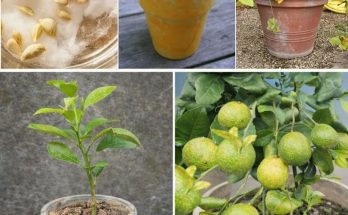
To ensure robust roots and successful seedling growth, mango seed germination becomes a crucial step. Creating an ‘incubator’ using a plastic bag or food container facilitates this process. Extract the mango seed delicately, ensuring it’s free from cuticles. Place the seed on a wet kitchen paper, keeping it sufficiently moist within the container or bag. Regular replacement of the moist paper maintains the conditions for optimal germination. Within a few days, roots strengthen, and in approximately two weeks, sprouting commences, signaling readiness for planting.
5. Planting the Mango Seed: The Initial Habitat
With strong roots and a vigorous shoot, transplanting the mango seed is the next step. A moderately sized pot of around 10 cm in diameter serves as an ideal initial habitat for the seedling during its early growth phase. Universal soil, enriched with homemade compost, ensures a nourishing environment. Plant the seed with the root downward and the shoot upward, ensuring the sprout remains above ground. As the seedling grows, transfer it to a larger vessel.
6. Nurturing the Mango Plant: Watering and Care
Adequate watering, especially during the growth phase, is crucial for a thriving mango plant. Regular watering prevents soil dehydration, striking a balance without causing stagnation that could harm the plant. Once the mango plant strengthens, strategic pruning at the height of the first node stimulates growth. Position the plant in a well-lit area, avoiding excessive direct sunlight during peak summer hours. Monitoring the leaves for brightness and proper appearance ensures the plant’s health.
7. The Journey to Fruitfulness: Grafting and Patience
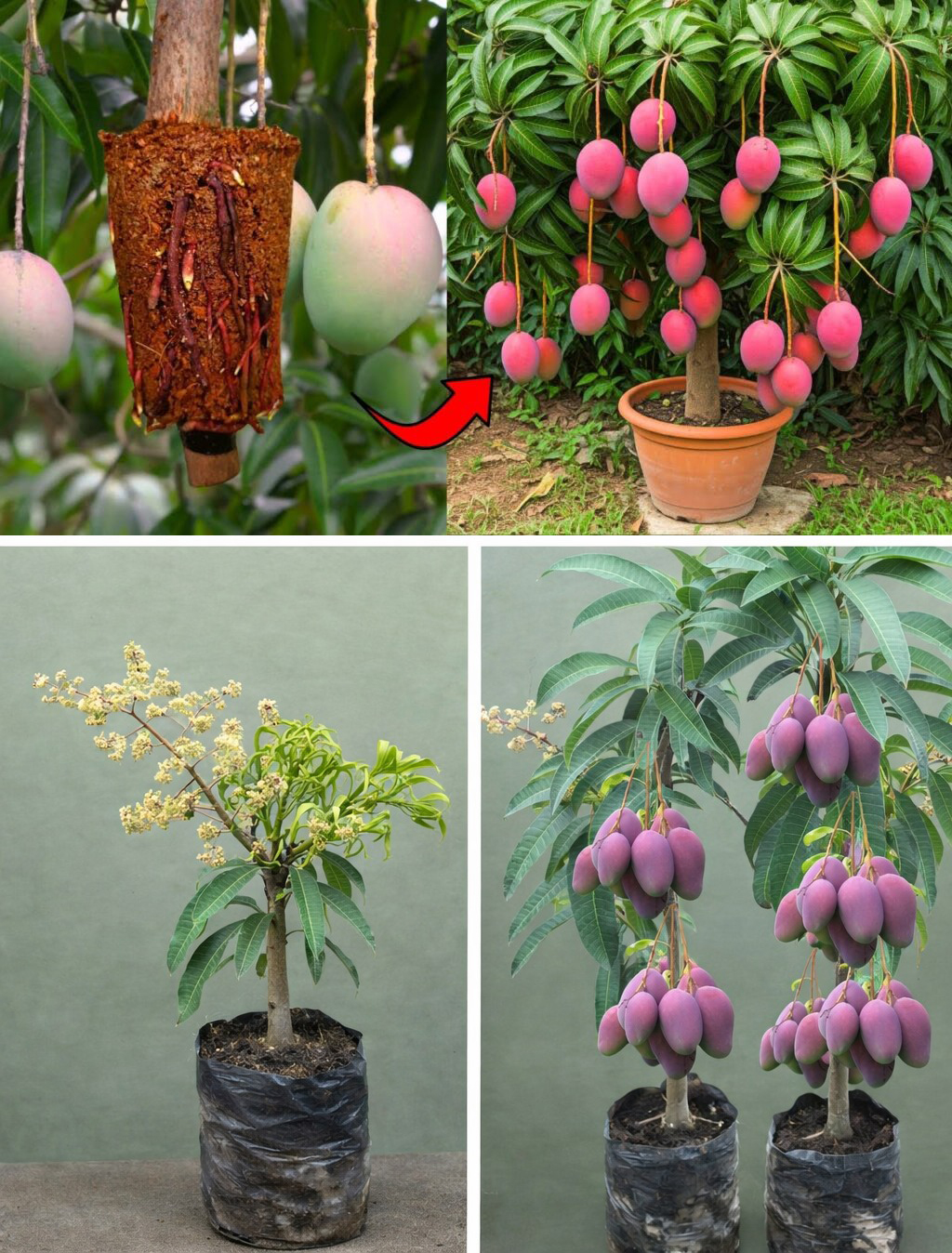
Mango plants require years to bear fruit, with a seed-grown mango taking up to eight years (or possibly failing if not grafted). Grafted mangoes, however, yield fruit in 3-5 years, promising a bountiful harvest. At three or four years of age, a mango plant may produce 10-20 fruits, increasing to 50-75 in subsequent years and around 500 in its tenth year. Transferring the plant to larger pots or expansive soil becomes necessary as it grows each year.
8. Mango’s Bounty: A Wellness Elixir
Having a mango tree that bears fruit is a privilege, offering a wellness elixir enriched with vitamin C, vitamins, minerals, and dietary fiber. Mango’s properties extend to anti-inflammatory and antimicrobial benefits due to flavonoids like quercetin. This tropical delight, enjoyed in various ways, promotes intestinal health and overall well-being.
Cultivating a mango at home becomes a journey filled with patience, care, and the anticipation of relishing the luscious fruits of your labor. Transform your space into a tropical retreat with the mango plant, a symbol of summer’s vibrant essence.