This guide explains the easiest and fastest method to grow bell peppers at home, focusing on simple steps, minimal equipment, and proven techniques that help the plants grow quickly and produce abundant fruits.
Why Bell Peppers Are Perfect for Home Growing
Bell peppers adapt extremely well to container gardening. They have compact root systems, respond quickly to good care, and thrive in warm, sunny conditions commonly found on balconies and patios. When grown correctly, bell pepper plants start flowering early and continue producing for months.
Another advantage is control. Growing peppers at home allows you to manage soil quality, watering, and feeding precisely, which speeds up growth and improves yield compared to many store-bought plants.
You can start from seeds or seedlings. Seedlings save time and are ideal if you want the fastest results. Seeds take longer but are still easy to grow with proper warmth and light.
Starting Seeds the Easy Way
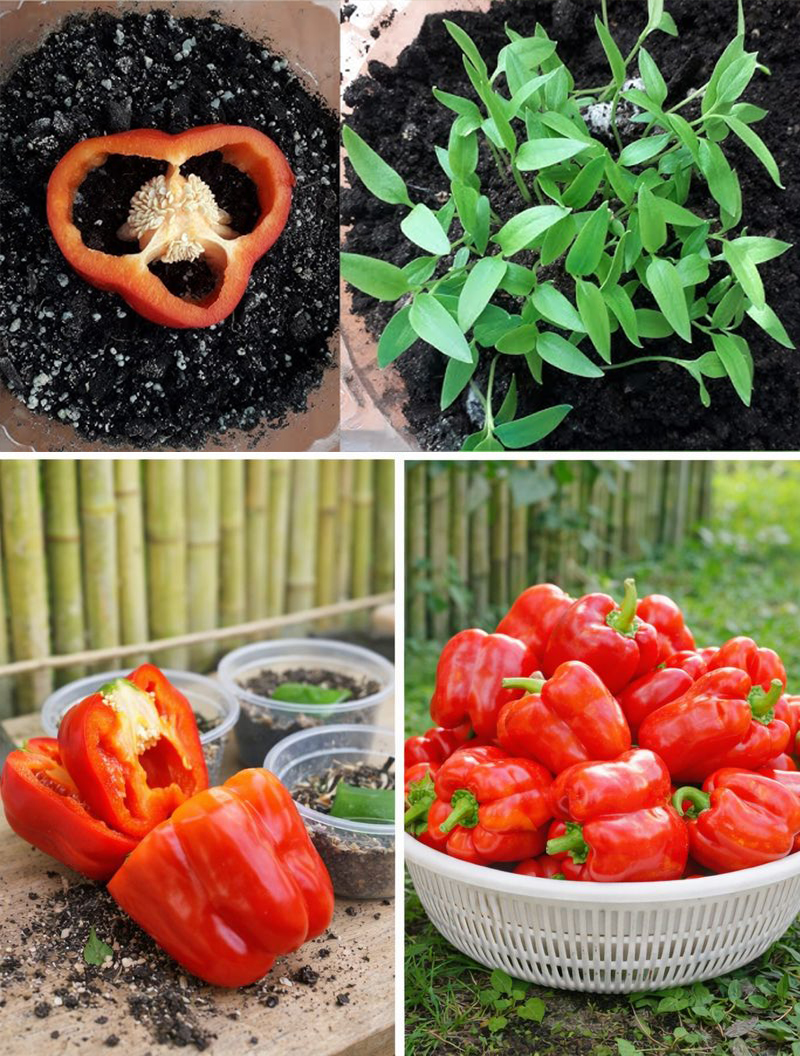
If growing from seeds, start them indoors or in a protected area. Use small pots or seed trays filled with light, well-draining soil. Sow seeds about 0.5–1 cm deep, cover lightly, and water gently.
Keep the soil warm and moist. Bell pepper seeds germinate best in warm conditions. Placing the pots near a sunny window or in a warm room speeds up sprouting. Seeds usually germinate within 7–14 days.
Once seedlings develop 4–6 true leaves, they are ready for transplanting.
Choosing Containers and Soil
For fast growth, choose containers that are at least 25–30 cm deep and wide. This gives the roots enough space to grow without stress. Plastic pots, grow bags, buckets, or recycled containers all work well, as long as they have drainage holes.
Use a rich, loose soil mix. Combine garden soil with compost or well-rotted manure and add coconut coir or sand for better drainage. Healthy soil allows roots to grow freely, which directly affects plant speed and productivity.
Transplanting and Early Care
Plant one bell pepper seedling per container. Firm the soil gently around the base and water thoroughly. For the first few days, keep the plant in partial sunlight to reduce transplant shock.
After a week, move the container to full sun. Bell peppers need at least 6–8 hours of sunlight daily to grow fast and set fruit early. More sunlight means stronger plants and quicker flowering.
Watering for Speed and Health
Consistent watering is one of the most important factors for fast bell pepper growth. Water deeply when the top layer of soil feels dry. Avoid letting the soil dry out completely, but never leave it waterlogged.
Uneven watering slows growth and can cause flowers to drop. A regular watering routine keeps the plant stress-free and focused on growth and fruiting.
Feeding for Faster Growth
Bell peppers are heavy feeders. To speed up growth, feed the plants every 10–14 days with organic liquid fertilizer such as compost tea, fish emulsion, or diluted vermicompost solution.
During early growth, nitrogen-rich feeding encourages leafy growth. Once the plant starts flowering, switch to a fertilizer higher in potassium and phosphorus to promote faster fruit development.
Natural kitchen-based feeds like banana peel water or rice water can also support healthy growth when used in moderation.
Supporting the Plant
As bell pepper plants grow, they may need support, especially once fruits start forming. Use small stakes or sticks to keep the main stem upright. Supporting the plant prevents breakage and helps the plant direct energy into producing peppers rather than repairing damage.
Pinching off the first few flowers can also speed up overall production by allowing the plant to grow stronger before fruiting heavily.
Pest Prevention and Maintenance
Bell peppers grown at home are generally low-maintenance, but occasional pests like aphids or whiteflies may appear. Inspect leaves regularly and remove pests early.
Natural sprays such as neem oil or mild soap solution are effective and safe. Remove yellow or damaged leaves to improve airflow and keep the plant healthy.
Harvesting Bell Peppers Quickly
Green bell peppers can be harvested as soon as they reach full size, usually 60–75 days after transplanting. Harvesting early encourages the plant to produce more fruits faster.
If you prefer red, yellow, or orange peppers, allow the fruits to stay on the plant longer to ripen. Regular harvesting keeps the plant productive and speeds up continuous flowering.
A Fast and Foolproof Way to Grow Peppers at Home
Growing bell peppers at home doesn’t have to be slow or complicated. With the right container, rich soil, plenty of sunlight, and regular feeding, bell peppers grow quickly and produce generously.
This simple method is perfect for beginners and busy gardeners alike. In just a few weeks, your home can transform into a mini pepper garden—delivering fresh, flavorful bell peppers straight from plant to plate.