Fresh, homegrown herbs add a unique flavor and fragrance to cooking that no store-bought alternative can match. Among the most treasured of these herbs is the bay leaf. Known for its distinct aroma and subtle flavor, bay leaves are a staple in soups, stews, sauces, and marinades. For city dwellers or anyone with limited space, growing bay leaf plants in balcony crates is an excellent way to enjoy a continuous supply of this aromatic herb while enhancing the look of your outdoor space.
Why Bay Leaf Plants Belong in Crate Gardens
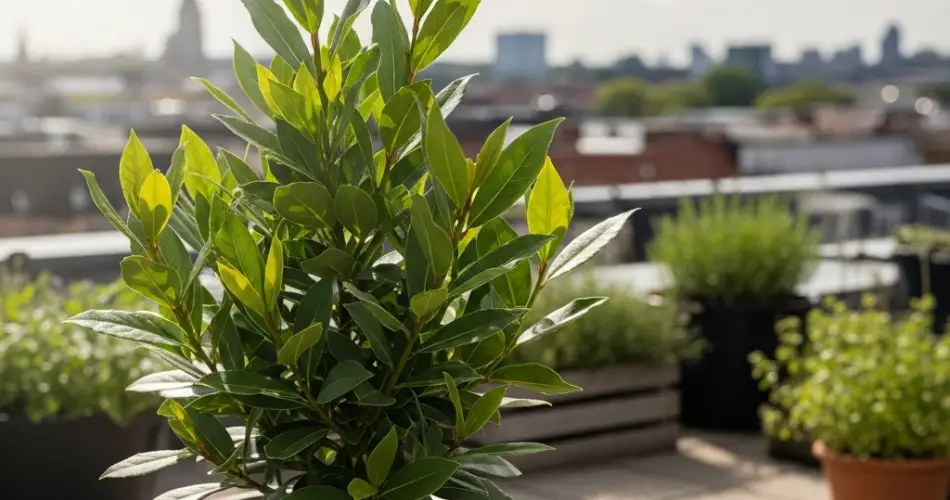
Bay leaf plants (Laurus nobilis), also called bay laurel, are evergreen shrubs native to the Mediterranean. They are hardy, slow-growing, and capable of thriving in containers, making them perfect for crate gardening. With their glossy green leaves, bay plants bring both practicality and style to a balcony.
Using crates for bay leaves offers several advantages:
-
Space-saving: Crates fit neatly onto balconies, terraces, or patios without occupying much room
-
Mobility: Containers can be shifted for better sunlight exposure or brought indoors during cold months.
-
Visual appeal: Wooden crates lend rustic charm, while the plant itself adds elegance with its glossy foliage
-
Controlled growth: Container gardening keeps this naturally large shrub compact and manageable
This combination of culinary value and decorative presence makes bay leaves a must-have for balcony crate gardens.
Choosing the Right Crate
Because bay plants can live for many years, selecting the right crate is important. A wooden crate that is at least 14–16 inches deep and wide provides enough room for root development. If you’re planning to grow the plant for several seasons, opt for a larger crate to avoid frequent repotting
Ensure the crate has proper drainage holes, as bay leaves dislike waterlogged soil. Lining the inside with landscape fabric helps retain soil while still allowing excess water to drain out.
Soil and Planting Needs
Bay leaves prefer well-draining soil with moderate fertility. A standard potting mix enriched with compost or aged manure works well. To improve drainage, mix in perlite or coarse sand. Fill the crate almost to the top, leaving an inch or two of space for watering.
You can start a bay plant from seed, but it’s a slow process. Most gardeners prefer purchasing a young plant or cutting from a nursery. Plant it in the center of the crate, firming the soil around the roots and watering thoroughly.
Sunlight and Temperature
As a Mediterranean plant, bay laurel thrives in sunlight. Place your crate in a location where it will receive at least 6 hours of direct sunlight daily. On a balcony, this usually means positioning it near the railing or wherever the light is strongest.
Bay leaves prefer mild to warm temperatures. They can tolerate light frost but should be protected or brought indoors if temperatures drop significantly. In cooler climates, crates allow you to easily move the plant inside during winter, ensuring it remains healthy year-round.
Watering and Feeding
Bay plants are relatively low-maintenance when it comes to watering. The soil should be kept lightly moist but not soggy. Water when the top inch of soil feels dry, and reduce watering during cooler months when growth slows
Feed your bay plant with a balanced liquid fertilizer once every 4–6 weeks during the growing season. Over-fertilizing should be avoided, as it can lead to excessive leaf growth at the expense of aroma and flavor.
Pruning and Maintenance
One of the joys of growing bay leaves in crates is the ability to keep the plant compact and tidy. Regular pruning helps shape the plant and encourages fresh, aromatic leaves. Remove any yellowing or damaged leaves, and trim back leggy growth to maintain a bushy form.
Because bay plants are evergreen, they remain attractive throughout the year. Crates also limit root spread, naturally slowing down growth and preventing the shrub from becoming unmanageable in small spaces.
Harvesting Bay Leaves
Bay leaves can be harvested at any time of year, but the most flavorful ones come from mature plants that are at least two years old. To harvest, pick individual leaves as needed, choosing healthy, dark green ones. Fresh leaves can be used immediately in cooking, while dried leaves store well for months in an airtight container.
Drying is simple: wash the leaves, pat them dry, and leave them in a warm, shaded spot until crisp. Dried bay leaves retain their fragrance and are often preferred for cooking, as their flavor becomes more concentrated.
Styling Balcony Crate Gardens with Bay
In addition to their culinary use, bay plants add elegance to balcony gardens. Their glossy foliage contrasts beautifully with softer herbs like parsley, basil, or fennel, making them excellent centerpiece plants in a mixed crate garden. Pairing bay leaves with flowering herbs or compact vegetables creates a visually appealing and functional mini-garden that maximizes limited space
Conclusion
Growing aromatic bay leaf plants in balcony crates is both practical and rewarding. With the right crate, soil, and care, bay laurel thrives even in compact spaces, providing year-round leaves for your kitchen. Beyond its flavor, the plant’s evergreen beauty and rustic crate setting add charm and sophistication to any balcony garden. For urban gardeners seeking fresh ingredients and stylish greenery, bay leaves in crates are a perfect match.