Bay leaf plants, with their glossy evergreen leaves and distinctive aroma, are a favorite in both gardens and kitchens. Known scientifically as Laurus nobilis, the bay tree is an ancient herb with centuries of culinary and medicinal use. Traditionally associated with Mediterranean landscapes, bay trees are surprisingly adaptable and can thrive in containers such as rustic backyard crates. Growing bay in crates allows even small-space gardeners to enjoy this versatile plant. With the right care, your bay tree will provide fragrant leaves year-round while enhancing the charm of your outdoor space.
Why Choose Crates for Bay Leaf Plants?
Backyard crates offer a practical and attractive solution for cultivating bay trees. Unlike standard pots, wooden crates provide more space for roots to spread, better insulation against temperature fluctuations, and a rustic aesthetic that complements outdoor spaces. They can also be moved easily to adjust for sunlight, wind protection, or seasonal changes.
For gardeners with limited ground space or those who want to add a portable herb tree to their collection, crates strike a perfect balance between beauty and function.
Preparing Crates for Planting
The first step in successful bay leaf maintenance is choosing and preparing the right crate. Select one that is at least 18 to 24 inches deep and wide to allow room for the root system. Avoid chemically treated wood, as it may leach toxins into the soil.
To keep soil in place, line the crate with burlap or landscape fabric. This prevents soil loss while still allowing water to drain. Drill several drainage holes at the base to avoid waterlogging. For longer crate life, apply a natural, non-toxic wood sealant to the exterior for protection against weathering
Soil and Planting
Bay leaf plants prefer fertile, well-draining soil. A blend of high-quality potting soil, compost, and sand or perlite creates the right balance of nutrition, aeration, and drainage. Adding organic matter like compost ensures the plant has a steady supply of nutrients.
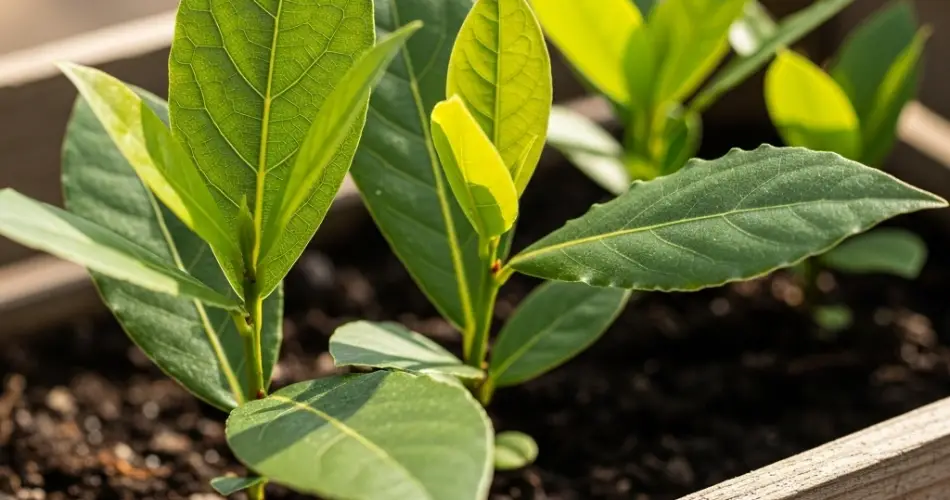
Bay trees are most often purchased as young nursery plants rather than grown from seed, as seeds germinate slowly and unevenly. Plant your young bay sapling in the center of the crate, ensuring the soil level matches its original pot. Water thoroughly after planting to help the roots settle.
Watering and Feeding
Proper watering is one of the most important aspects of maintaining bay trees in crates. While bay enjoys consistently moist soil, it does not tolerate being waterlogged. Water deeply when the top inch of soil feels dry, ensuring excess water drains freely. During hot summer months, check soil moisture more frequently, as crates dry out faster than in-ground beds.
Bay trees are moderate feeders. During the growing season (spring through summer), feed the plant every four to six weeks with a balanced liquid fertilizer or compost tea. This will encourage healthy leaf production and overall vigor. In autumn and winter, reduce feeding as the plant’s growth naturally slows
Pruning and Leaf Harvesting
Pruning is essential for maintaining both the shape and health of a bay tree. Lightly trim long or straggly branches to encourage bushier growth and keep the plant compact. Regular pruning also helps air circulation within the canopy, reducing the risk of pests.
Leaves can be harvested at any time, but mature, dark green leaves provide the best flavor. Harvest sparingly to avoid stressing the plant, and allow new shoots to develop. Fresh leaves can be used immediately in cooking or dried for later use by laying them flat in a cool, dry area until crisp. Stored properly in an airtight container, dried bay leaves retain their flavor for months.
Sunlight and Temperature Needs
Bay leaf plants thrive in full sun but can tolerate partial shade. Position crates in an area where the tree receives at least six hours of direct sunlight daily. If grown in hotter regions, provide some shade during the peak afternoon hours to prevent leaf scorch
In colder climates, crates make it easy to move bay trees to a sheltered area or indoors during winter. Bay is sensitive to frost, so placing the crate in a greenhouse, sunroom, or bright indoor space will protect the plant until temperatures warm again.
Pest and Disease Management
Bay trees are generally hardy, but they can sometimes attract pests such as scale insects, aphids, or mealybugs. Inspect leaves regularly, especially the undersides, and remove pests promptly. Wiping leaves with a damp cloth or spraying with insecticidal soap can help manage infestations. Good air circulation and proper watering also reduce the risk of fungal diseases.
Enhancing Backyard Charm
Beyond their culinary uses, bay leaf plants in crates add a rustic and elegant touch to backyard spaces. A single crate can serve as a statement piece near an entryway, or several crates can be grouped together to form a fragrant green corner. Pairing bay with other herbs like rosemary, thyme, or oregano enhances both functionality and visual appeal
Final Thoughts
Maintaining bay leaf plants in backyard crates combines practicality with charm. With careful attention to soil, watering, sunlight, and pruning, your bay tree will thrive in its rustic container, producing aromatic leaves for years to come. Not only will you enjoy fresh herbs at your fingertips, but you’ll also elevate your backyard with the timeless beauty of this classic Mediterranean tree
Crate gardening proves that even limited spaces can yield big rewards, turning a simple wooden box into a thriving home for one of the world’s most beloved herbs.