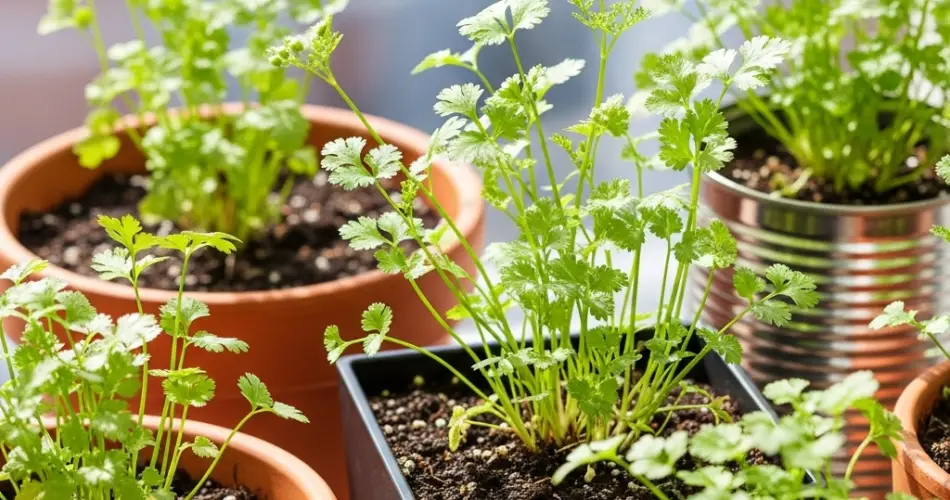
Coriander (also known as cilantro) is a flavorful herb that’s essential in many global cuisines. Whether you love its zesty leaves or the earthy seeds, growing coriander at home gives you a constant supply of fresh, organic herbs. Luckily, coriander grows exceptionally well in containers, making it ideal for balcony gardens, patios, or even sunny kitchen windows. Here’s a step-by-step guide to successfully grow coriander in containers.
Step 1: Choose the Right Container
Start with a container that is at least 8 to 12 inches deep to allow for proper root growth. Coriander has a long taproot, so depth is more important than width. Ensure the pot has adequate drainage holes at the bottom. While you can use plastic, clay, or ceramic pots, make sure they’re not too small or shallow, as overcrowding can lead to stunted growth and disease.
Step 2: Use Well-Draining, Fertile Soil
Coriander thrives in light, well-draining soil that’s rich in organic matter. Use a high-quality potting mix amended with compost or aged manure. Avoid garden soil, which is often too dense and may retain too much moisture. You can mix in a little sand or perlite to improve drainage. A slightly acidic to neutral pH (6.2 to 6.8) is ideal for healthy growth.
Step 3: Sow Seeds Properly
Coriander seeds are actually two seeds encased in a husk, so it helps to gently crush them before planting. Soaking the seeds in water overnight can also encourage faster germination.
Sow the seeds directly into the container, spacing them about 1 to 2 inches apart. Cover them with a thin layer of soil, no more than ¼ inch deep. Water gently after sowing, keeping the soil moist but not soggy.
Coriander doesn’t transplant well due to its long taproot, so it’s best to plant it where it will grow to maturity.
Step 4: Provide Ideal Growing Conditions
Coriander prefers full sun, which means it needs at least 5 to 6 hours of sunlight per day. However, in very hot climates, providing light afternoon shade can prevent the plant from bolting too soon (bolting is when the plant flowers and goes to seed, making the leaves bitter and inedible).
If growing indoors, place the container near a sunny window or supplement with a grow light to ensure it gets enough light.
Step 5: Watering and Feeding
Keep the soil evenly moist, especially during the germination period. Once the plants are established, water when the top inch of soil feels dry. Avoid overwatering, as soggy soil can lead to root rot.
You can feed the plant with a balanced liquid fertilizer every couple of weeks, but avoid overfeeding, which may encourage leaf growth at the expense of flavor.
Step 6: Thin and Harvest Correctly
Once the seedlings are about 2 inches tall, thin them out so there’s at least 3 inches between plants. This gives each coriander plant room to grow and helps with air circulation, reducing the risk of disease.
To harvest, cut the outer leaves first, leaving the center intact to continue growing. For continuous harvest, sow new seeds every 2 to 3 weeks. If you allow the plant to flower, you can also collect coriander seeds to use in cooking or to replant.
Step 7: Troubleshooting Common Problems
Bolting: One of the most common issues with coriander is premature bolting, especially in hot weather. Keep the plant cool by mulching and providing some afternoon shade. Look for bolt-resistant varieties if growing in warm climates.
Pests: Aphids, spider mites, and whiteflies can sometimes bother coriander. You can spray the plant with a diluted neem oil solution or use insecticidal soap to control pests naturally.
Fungal diseases: Good air circulation and proper watering practices help prevent mildew and damping off. Avoid wetting the leaves and water at the base of the plant when possible.
Final Tips for Success
-
-
Succession Planting: To maintain a steady supply of fresh leaves, sow seeds every few weeks.
-
Seed Harvesting: If you allow some plants to mature and go to seed, collect the seeds once they turn brown and dry. Store them in an airtight container for cooking or future planting.
-
Cool-Weather Preference: Coriander grows best in cool seasons like spring and fall. In tropical areas, it’s best grown during the cooler months.
-
Growing coriander in containers is simple and rewarding, giving you fresh herbs at your fingertips. With the right container, soil, and care, you’ll be able to enjoy both its aromatic leaves and flavorful seeds throughout the year.