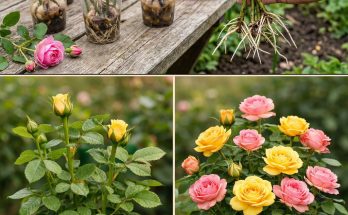
Roses are one of the most beloved flowers, known for their beauty, fragrance, and elegance. While growing roses from cuttings can be challenging, using banana peels as a natural rooting aid is a simple and effective method. Bananas contain essential nutrients like phosphorus and potassium, which help stimulate root growth, making them a great organic alternative to chemical rooting hormones.
In this guide, we’ll explore how to propagate roses using banana peels, step-by-step instructions, and additional tips to ensure healthy root development and thriving plants.
Why Use Banana Peels for Rose Propagation?
Banana peels are rich in nutrients that support plant growth, including:
- Phosphorus – Encourages strong root development.
- Potassium – Improves plant strength and resistance to diseases.
- Calcium – Helps in cell wall formation and overall plant health.
- Magnesium – Essential for chlorophyll production and photosynthesis.
- Natural Enzymes – Aid in root stimulation and nutrient absorption.
By using banana peels in rose propagation, you create a nutrient-rich environment that encourages cuttings to develop strong, healthy roots.
Step-by-Step Guide to Propagating Roses with Banana Peels
1. Selecting the Right Rose Cuttings
To ensure successful propagation, choose healthy, strong rose cuttings:
- Select semi-hardwood cuttings (not too young or too old).
- The cutting should be 6-8 inches long with at least 3-5 nodes.
- Cut from a healthy, disease-free rose plant.
- Use sharp, sterilized pruning shears to make a clean cut.
2. Preparing the Banana Peel and Rose Cutting
- Take a fresh banana peel and cut it into small strips.
- Remove all lower leaves from the rose cutting, leaving only the top leaves.
- Make a 45-degree angle cut at the bottom of the cutting to increase the surface area for rooting.
- Lightly scrape the lower part of the cutting to expose more tissue for root formation.
3. Using Banana Peels for Root Stimulation
There are two main methods to use banana peels for propagating roses:
Method 1: Wrapping the Cutting with a Banana Peel
- Wrap a small piece of banana peel around the lower part of the rose cutting.
- Secure it gently using twine or a biodegradable tie.
- The banana peel will slowly decompose, releasing nutrients that stimulate root growth.
Method 2: Planting the Cutting with a Banana Peel
- Dig a small hole in the soil or a planting container.
- Place a strip of banana peel at the bottom of the hole.
- Insert the rose cutting above the banana peel, ensuring good soil contact.
- Cover with soil and gently press around the cutting to remove air pockets.
4. Choosing the Right Soil and Pot
- Use well-draining soil, such as a mix of garden soil, sand, and compost.
- Ensure the pot or planting area has good drainage to prevent root rot.
- Maintain a moist but not soggy soil environment.
5. Watering and Care
- Water lightly after planting to help settle the soil.
- Keep the soil consistently moist but avoid overwatering.
- Mist the leaves occasionally to maintain humidity.
- Place the pot or cutting in indirect sunlight to encourage slow, steady growth.
6. Covering for Humidity (Optional but Recommended)
- To create a greenhouse effect, cover the cutting with a plastic bottle or plastic bag.
- This traps moisture and increases humidity, speeding up root development.
- Remove the cover for a few minutes daily to prevent mold growth.
7. Monitoring Root Growth and Transplanting
- Roots typically start forming within 4-6 weeks.
- Gently tug the cutting to check for resistance, indicating root development.
- Once the cutting has established strong roots, transplant it into a larger pot or garden bed.
- Continue to provide regular watering and occasional fertilization with organic compost.
Additional Tips for Successful Rose Propagation
- Use a Healthy Parent Plant – Strong, disease-free rose plants yield better cuttings.
- Avoid Direct Sunlight Initially – Too much sun can dry out cuttings before they root.
- Change the Banana Peel if Necessary – If it decomposes too quickly, replace it with a fresh one.
- Apply Cinnamon or Honey – Both have natural antibacterial properties that can protect cuttings from infection.
- Mulch Around the Base – Helps retain moisture and regulates soil temperature.
Frequently Asked Questions
1. Can I use dried banana peels instead of fresh ones?
Yes, but fresh banana peels contain more active nutrients and decompose faster, making them more effective for root stimulation.
2. What’s the best season to propagate roses with banana peels?
Spring and early summer are ideal since roses are actively growing during this time.
3. How long does it take for rose cuttings to root using this method?
Typically, roots start forming within 4-6 weeks, depending on temperature, humidity, and care.
4. Can I plant multiple cuttings in the same pot?
Yes, but space them at least 2-3 inches apart to avoid overcrowding and competition for nutrients.
5. Do I need to fertilize the cutting before it roots?
No, over-fertilizing too early can burn the cutting. The banana peel provides enough nutrients initially.
Final Thoughts
Propagating roses with banana peels is a natural, effective, and eco-friendly way to encourage root growth and healthy plant development. This method harnesses the power of organic nutrients to provide an ideal rooting environment for rose cuttings. With patience and proper care, you can successfully grow beautiful roses without the need for synthetic rooting hormones.
By following these steps, you can enjoy a flourishing rose garden while repurposing banana peels in a sustainable way. Try this simple propagation technique and watch your roses thrive with strong, healthy roots!