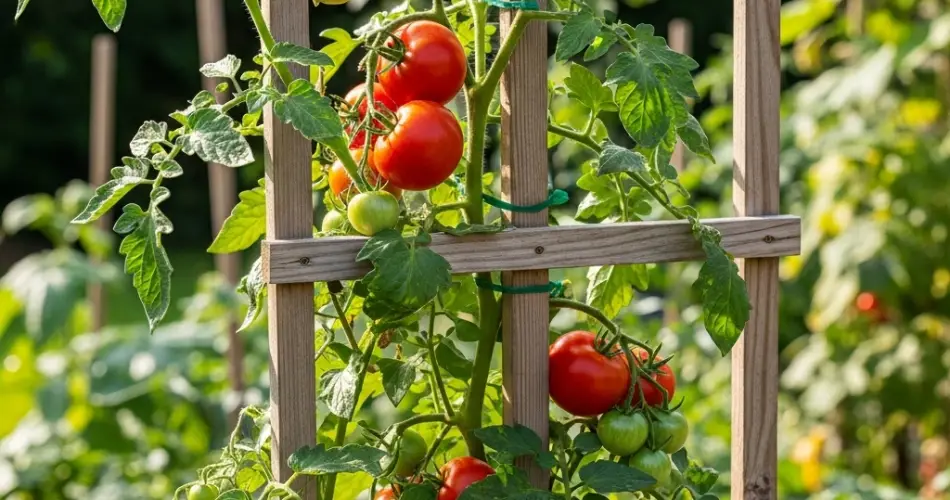
Tomatoes are among the most rewarding plants to grow at home, especially on patios where space is often limited. Their juicy fruits, whether cherry, plum, or beefsteak, bring unmatched flavor to salads, sauces, and fresh dishes. Yet anyone who has grown tomatoes knows they need support as they grow taller and heavier with fruit. A DIY wooden trellis offers a simple, sturdy, and attractive solution to keep patio tomato plants healthy and productive. Building your own trellis not only saves money but also adds a personal, rustic touch to your garden setup.
Why Tomatoes Need a Trellis
Tomato plants are vigorous growers that can quickly sprawl if left unsupported. Without proper structure, their vines can break under the weight of developing fruit, and branches that lie on the ground are more prone to pests, diseases, and rot. A trellis provides vertical support, keeping plants upright, well-ventilated, and easier to manage.
For patio gardeners, vertical growth is particularly valuable because it saves space. By training tomatoes onto a wooden trellis, you can grow more in less room while making harvesting simpler.
Benefits of a Wooden Trellis
While tomato cages and stakes are common, a wooden trellis offers several unique advantages:
-
-
Durability: Wood is strong enough to handle heavy plants and repeated use.
-
Custom design: You can build a trellis to fit your specific patio size and container setup.
-
Aesthetic value: Wooden trellises bring a natural, rustic look that complements outdoor spaces.
-
Flexibility: Trellises can be built in various styles—A-frame, flat panel, or lattice—depending on preference.
-
Best of all, making one yourself allows you to tailor the trellis to your tomatoes’ needs and your patio’s layout.
Materials You’ll Need
To build a simple wooden trellis, gather the following:
-
-
Wooden slats or stakes (about 1×2 or 2×2 inches in thickness)
-
-
Screws or nails
-
A drill or hammer
-
Measuring tape
-
Saw (hand or electric)
-
Sandpaper (to smooth rough edges)
-
Optional: wood preservative or outdoor sealant for longevity
These materials are easy to find at any hardware store and can be customized based on the size of your plants and containers.
Step-by-Step: Building a Basic Trellis
1. Measure and Plan
Decide how tall and wide your trellis should be. Patio tomatoes usually need 4–6 feet of vertical support. Consider the size of your pots or raised beds and how many plants you’ll train onto each trellis.
2. Cut the Wood
Cut two vertical posts to your desired height. Then cut horizontal slats or crossbars, spacing them about 8–10 inches apart. These crossbars will give the tomato vines something to grip as they climb.
3. Assemble the Frame
Lay the two vertical posts on the ground, parallel to each other. Attach the crossbars horizontally between them using screws or nails. Ensure everything is square and evenly spaced.
4. Sand and Seal
Smooth any rough edges with sandpaper to avoid splinters. For outdoor durability, apply a coat of wood sealant or preservative. This step helps protect your trellis from rain, humidity, and sun exposure
5. Secure in Place
Position the trellis directly in your pot or garden bed. Push the legs deep into the soil or secure them to the container sides with brackets. Stability is crucial because tomato plants get heavy as they produce fruit.
Training Tomato Plants on the Trellis
Once your trellis is in place, guide young tomato stems toward the structure. Gently tie them to the wooden slats with soft garden ties, twine, or strips of cloth. As the plant grows, continue to secure new stems and prune away unnecessary side shoots to focus energy on fruit production.
Pruning also keeps the plant airy, reducing the risk of fungal diseases and improving fruit ripening. With regular maintenance, your tomatoes will climb the trellis naturally and stay neatly supported throughout the season
Maintenance and Care
A wooden trellis requires little upkeep beyond occasional checks for stability. Make sure screws or nails remain tight and that the wood hasn’t weakened after exposure to the elements. If you plan to reuse the trellis for several seasons, store it indoors during winter or reapply sealant annually for extra protection.
Harvesting Made Easy
One of the greatest rewards of using a trellis is easier harvesting. Upright tomato plants display their fruits clearly, preventing them from hiding beneath leaves or sprawling onto the ground. Fruits ripen evenly with better sun exposure, and picking them is simpler and more comfortable for the gardener.
Conclusion
A DIY wooden trellis is a practical and attractive way to support patio tomato plants. It keeps vines healthy, saves valuable space, and makes harvesting easier. With just a few simple tools and materials, you can build a custom trellis that suits your garden perfectly. Beyond functionality, it also adds rustic charm to your patio, making your tomatoes not only delicious but also beautifully displayed. Whether you’re a beginner gardener or a seasoned grower, building your own wooden trellis is a rewarding project that pays off season after season.